Racing Speeds Point to Asia's Untapped Maritime Potential
The recent Défi Azimut speeds near Lorient offer a lens into the commercial and recreational marine sectors. Asia-Pacific's fragmented infrastructure remains a constraint.
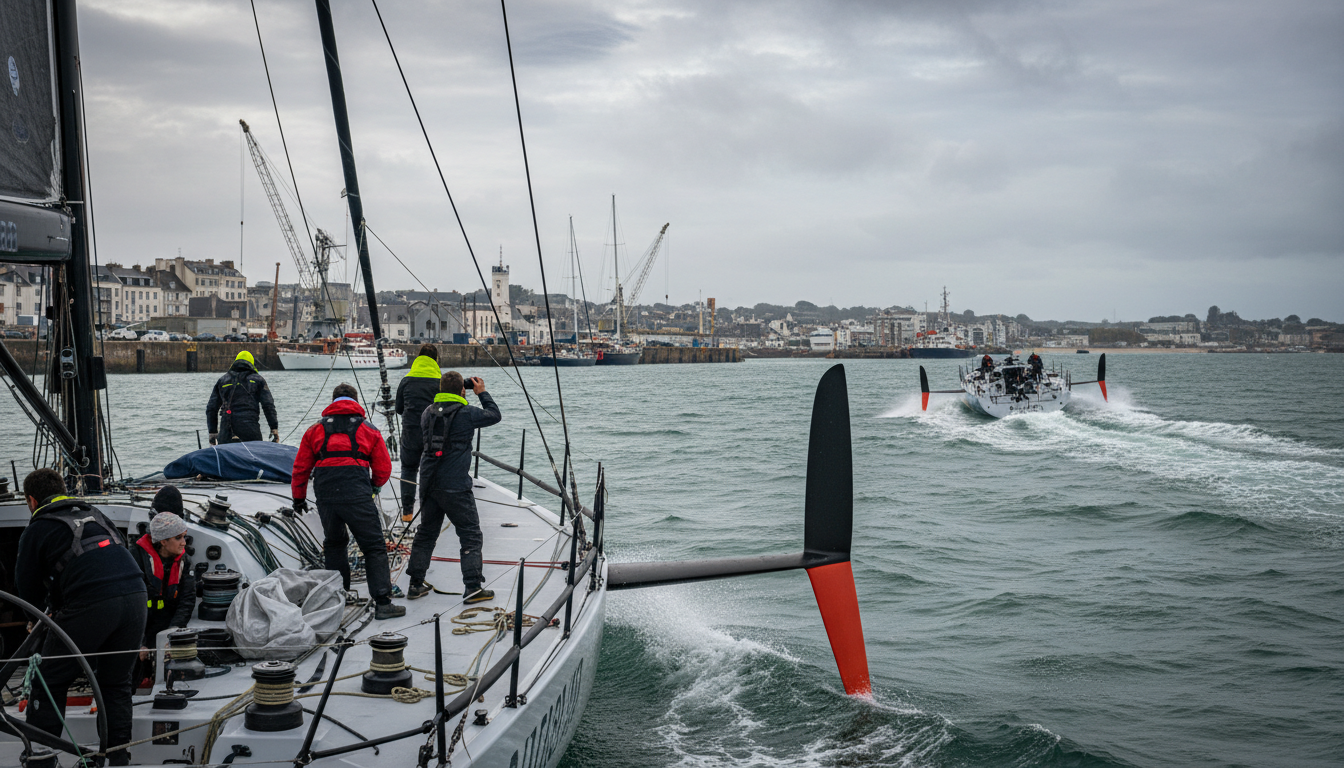
The Défi Azimut speed runs, where 17 IMOCAs competed for fastest times offshore of Groix island, illustrate high-performance maritime capabilities. The sustained speeds achieved by these vessels, even as the wind filled in gradually, underscore the engineering and skill invested in modern racing. This event, reported by Sail World Asia on September 17, 2026, focuses on competitive yachting. However, a market realist asks what implications such performance and the underlying investment have for the broader Asia-Pacific region.
The IMOCA class represents a significant financial commitment in design, construction, and operation. This level of investment, while concentrated in a niche, indicates a commercial ecosystem capable of supporting advanced marine technology and extensive logistics. The question for Thailand and its neighbours is whether the region is ready to attract or develop segments of this high-value marine activity. Currently, the Asia-Pacific maritime sector is diverse, but often characterized by fragmented infrastructure that struggles to support the complex demands of competitive sailing or high-end marine tourism.
While the sight of these vessels racing suggests a vibrant, high-tech industry, the reality is that the financial and logistical burden of hosting or regularly participating in such events remains substantial. Asia has pockets of marine manufacturing and a growing leisure boating market, particularly in established hubs like Singapore and parts of Australia. However, a significant gap exists in the specialized services, deepwater facilities, and supply chains necessary for IMOCA-level racing or the associated maintenance and refit work.
For the Asia-Pacific, the direct financial incentive to invest in infrastructure specifically for events like the Défi Azimut is limited. The costs would be borne by local taxpayers or private investors, with the returns primarily accruing to a specialized subset of tourism and support industries. The counterargument posits that the prestige and marketing exposure of hosting such events could drive broader marine sector growth. Yet, this often proves a speculative return, difficult to quantify against concrete infrastructure expenses.
Ultimately, the challenge is one of scale and specialization. High-performance racing demands specific logistical chains and highly skilled personnel, which are currently concentrated outside the region. Until the Asia-Pacific develops more comprehensive marine service networks and a deeper pool of specialized talent, the prospect of regularly hosting or significantly participating in these top-tier yachting events remains a distant one. The outcome now depends on sustained private investment into specialized infrastructure, alongside policy efforts to cultivate a skilled marine workforce.
Sources
Newsletter
Pacific Daily
A curated briefing from Thailand, Asia-Pacific and the world.