Qatar's Tehran Diplomacy: A Stability Indicator for Asia-Pacific Shipping
Persistent mediation efforts by Qatar's Prime Minister hold direct implications for regional trade routes, particularly the Strait of Hormuz.
SINGAPORE
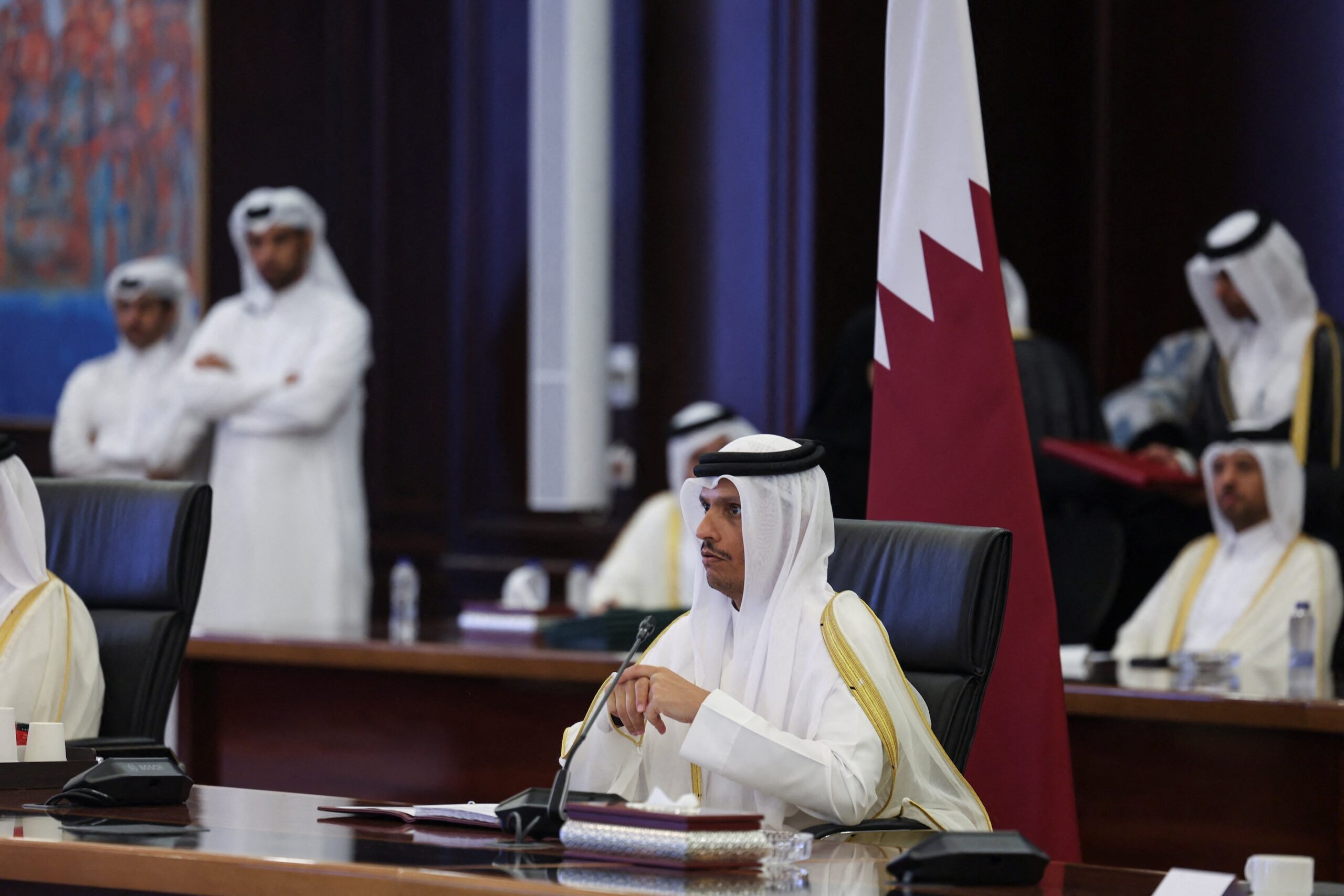
Qatar's Prime Minister and Minister of Foreign Affairs, Sheikh Mohammed bin Abdulrahman Al-Thani, is scheduled to visit Tehran to continue mediation efforts. This visit, reported by Rappler on August 27, 2026, follows a history of Qatari engagement as a back-channel negotiator and its role in securing a June ceasefire, which temporarily halted hostilities.
The ongoing diplomatic engagement, even amidst stalled progress and continued negotiations between Iran and Oman, underscores a consistent Qatari foreign policy objective. Reports from Reuters in March 2026 and June 2024 indicate Qatar's Prime Minister has consistently urged de-escalation in the Iran conflict and called for an end to the Gaza war. These actions position Qatar as a persistent actor in regional conflict resolution.
Economic Stakes in Geopolitical Stability
The immediate economic implications for the Asia-Pacific region, including Thailand, center on maritime trade routes. The Strait of Hormuz, a critical point of contention, remains vital for global shipping. Iran asserts control and seeks revenue from shipping in this strait, a position opposed by another party. Any instability or disruption in this waterway directly affects energy costs and supply chains for resource-dependent nations across Asia-Pacific.
While Qatar’s direct mediation might appear distant from Bangkok, the financial data reveals a clear connection. Freight costs, insurance premiums, and transit times for goods passing through the Strait are sensitive to geopolitical tensions. A persistent mediator like Qatar, despite not guaranteeing a resolution, provides a mechanism for de-escalation, which mitigates the risk of sudden, severe disruptions. The alternative — unchecked escalation — could lead to prohibitive shipping costs or outright blockades, impacting national economic projections.
The Strait of Hormuz remains a critical point of contention, with Iran asserting control and seeking revenue from shipping, while the US opposes this.
However, the effectiveness of this mediation is subject to significant limitations. Diplomatic progress is stated to be stalled, and past ceasefires have proven temporary. This suggests that while Qatar's efforts are continuous, a definitive resolution to the underlying tensions is not imminent. Furthermore, the absence of specific financial commitments or guarantees from parties involved regarding regional stability means that any economic benefit derived from Qatar's mediation is speculative and depends entirely on the sustained — and successful — de-escalation of tensions.
For markets in Thailand and the broader Asia-Pacific, the significance of Qatar's visit to Tehran lies in its potential to maintain a fragile equilibrium. The balance sheets of energy importers and manufacturers depend on the continued, unobstructed flow of goods through key chokepoints. Absent a clear resolution, the outcome hinges on Qatar's ongoing capacity to facilitate dialogue and prevent a full-scale deterioration of relations between relevant parties.
Sources
Newsletter
Pacific Daily
A curated briefing from Thailand, Asia-Pacific and the world.