Professional Ambition and the Shifting Landscape of Regional Sports Competition
Eumir Marcial's absence from the 2026 Asian Games highlights changing priorities for top athletes across Asia-Pacific markets.
SINGAPORE
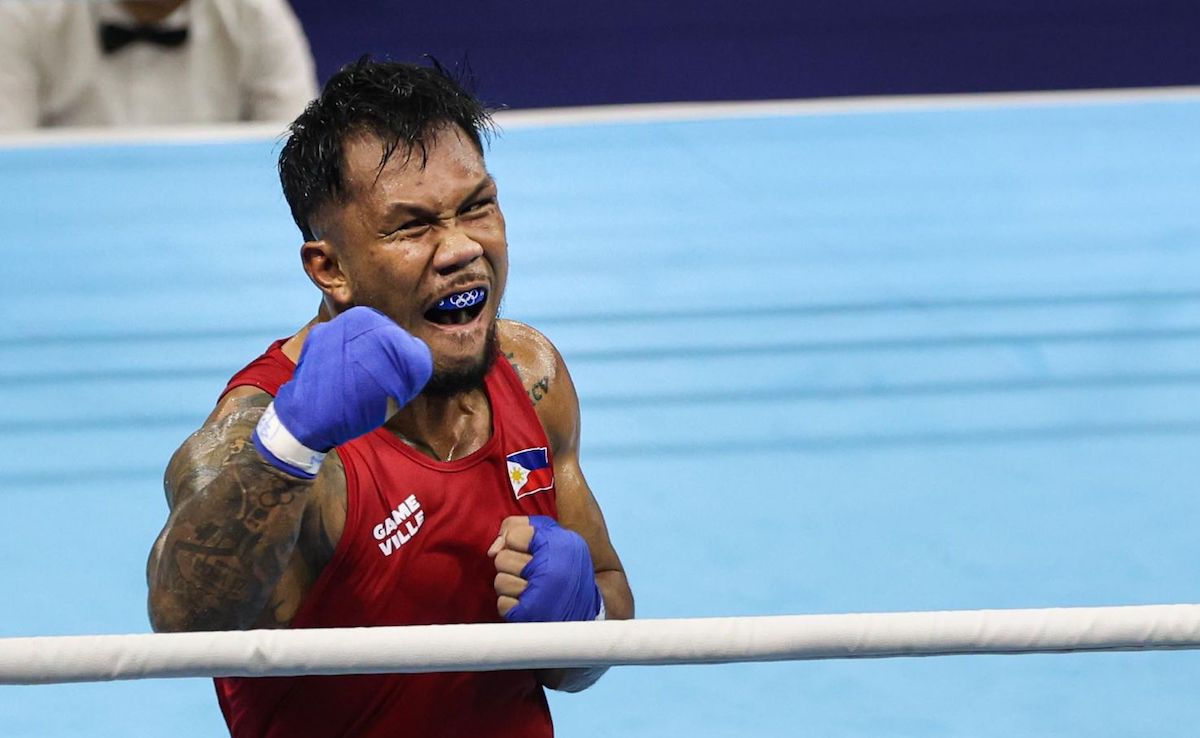
The decision by Filipino boxer Eumir Marcial to sit out the 2026 Asian Games, announced on September 20, 2026, represents a pattern that interrupts traditional regional sporting calendars. Marcial’s latest professional win, a third-round knockout over Omar Ulises Huerta in San Diego, United States, necessitated a prompt flight to Nagoya, Japan. This tight timeline, cited by Rappler, precluded his participation in the continental showpiece.
Historically, multi-sport events like the Asian Games have served as key platforms for national prestige and athlete development across the Asia-Pacific. However, as professional opportunities expand, particularly in individual sports such as boxing, the calculus for elite athletes appears to be shifting. Marcial, an Olympic bronze medalist, secured the Philippines’ lone boxing gold in the 2025 Southeast Asian Games. He also claimed a guaranteed Asian Games medal by knocking out a Thai opponent in 2023, and secured a spot in the Paris Games that same year. His track record demonstrates consistent success in both amateur and professional spheres, suggesting a strategic choice rather than a decline in competitive ability.
This development holds particular relevance for markets such as Thailand, which consistently fields competitive teams in boxing and other martial arts. The absence of a prominent figure like Marcial from a regional event removes a significant benchmark for national teams. For Thai boxers, who competed against Marcial in 2023, the landscape of continental competition changes. Their potential path to medals in 2026 may be altered, but also their opportunity to test themselves against an athlete of Marcial's caliber is diminished. The implication for countries and their sports federations is a re-evaluation of how regional games align with the global professional trajectory of their top talent. Athletes face a choice between national duty in regional amateur-style events and the financial and reputational rewards of professional careers.
While national federations prioritize multi-sport events for medal counts and funding, individual athletes increasingly weigh these against their professional commitments. The Association of Boxing Alliances, mentioned in relation to Marcial, faces the task of managing this tension. The argument that athletes prioritize professional bouts over regional amateur competitions is strengthened by Marcial's unblemished 8-0 professional record. Countering this, the Asian Games remain a prestigious event that can elevate an athlete's profile within their home country, potentially unlocking sponsorships and public support critical for even professional careers. However, Marcial's Olympic medal and consistent professional performance suggest he may have already secured much of this.
The unresolved tension lies in how national sports policy will adapt to this evolving reality. The balance between fostering national sporting pride through regional games and supporting the professional aspirations of elite athletes remains a challenge for countries across the Asia-Pacific.
Sources
Newsletter
Pacific Daily
A curated briefing from Thailand, Asia-Pacific and the world.