Philippines' Tech Hub Ambition: Cost and Displacement
A US$70 billion foreign tech hub in the Philippines risks displacing ancestral lands, raising questions about infrastructure and human cost across the region.
SINGAPORE
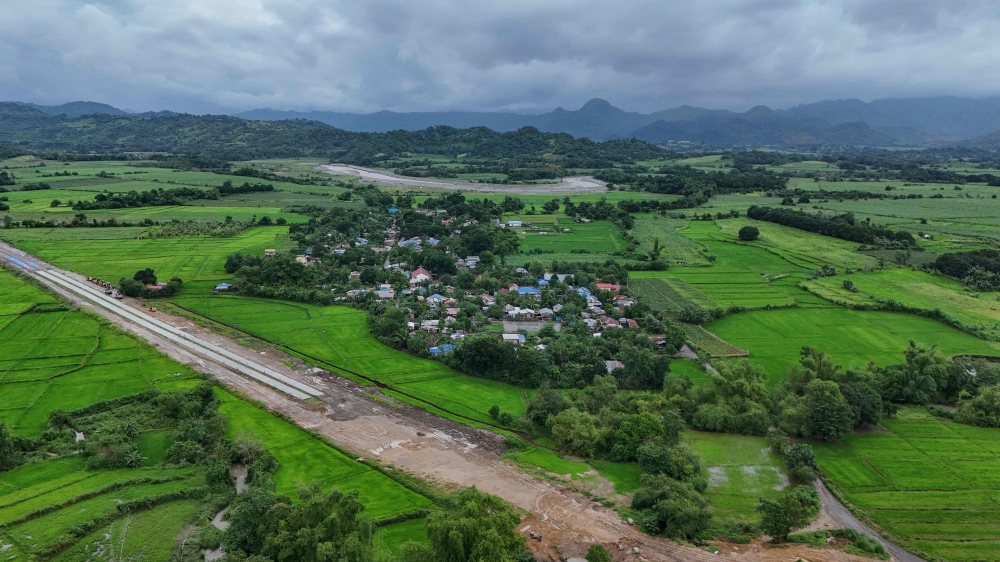
The proposed US$70 billion foreign tech hub in the Philippines, announced on 2026-09-20, presents a clear economic ambition. This project, which seeks to establish a significant technological presence, is tied to broader regional dynamics where several nations are competing for foreign investment in technology. However, the reported impact on ancestral lands in Capas, with tribal leader Petronila Munoz noting the potential displacement, immediately frames this development with a critical question: at what cost is this ambition pursued?
The financial scale of the project, at US$70 billion, suggests a substantial influx of foreign capital. This aligns with a pattern of increased international engagement with the Philippines, as evidenced by a comprehensive partnership formed with New Zealand on 2026-07-20 and agreements on child-safety measures with Meta and Roblox on 2026-09-01. Such engagements underscore the country's strategic position within the Asia-Pacific power dynamics, as analyzed on 2026-05-25.
Yet, the focus on 'sweeping Philippine grasslands' being affected highlights a fundamental tension. While the incentive for economic growth and technological advancement is clear, the mechanism of achieving this through large-scale land appropriation invariably leads to displacement. The question of who is priced out and where they go is paramount. In this instance, it is ancestral landowners, indicating a profound societal disruption beyond mere economic transaction. These are not just land parcels; they are communities and cultural anchors.
The broader regional context suggests that countries like Thailand, also seeking to attract high-value foreign investment, must observe the social and environmental friction generated by such projects. The Philippine central bank's decision to raise its policy rate by 25 basis points on 2026-06-18 indicates efforts to manage economic conditions, but these financial levers do not mitigate the direct human impact of land acquisition for mega-projects. The long-term implications of displacing established communities, especially those with ancestral ties to the land, can introduce unforeseen liabilities and social instability that may outweigh short-term economic gains.
The drive for technological hubs and foreign investment is a recurring theme across the Asia-Pacific. However, the reported circumstances in Capas suggest that the pursuit of capital-intensive development often overlooks the existing human landscape. The critical constraint remains the equitable integration of economic ambition with social responsibility, particularly when it involves land use and the rights of indigenous populations. The future success of such ventures will depend not just on the scale of investment, but on the capacity to address the inevitable human cost.
Sources
Newsletter
Pacific Daily
A curated briefing from Thailand, Asia-Pacific and the world.