Philippine Senate: Absences Signal Enduring Structural Weaknesses
The withholding of salaries for four senators underscores a legislative body grappling with its foundational duties, raising questions about accountability and political power dynamics.
SINGAPORE
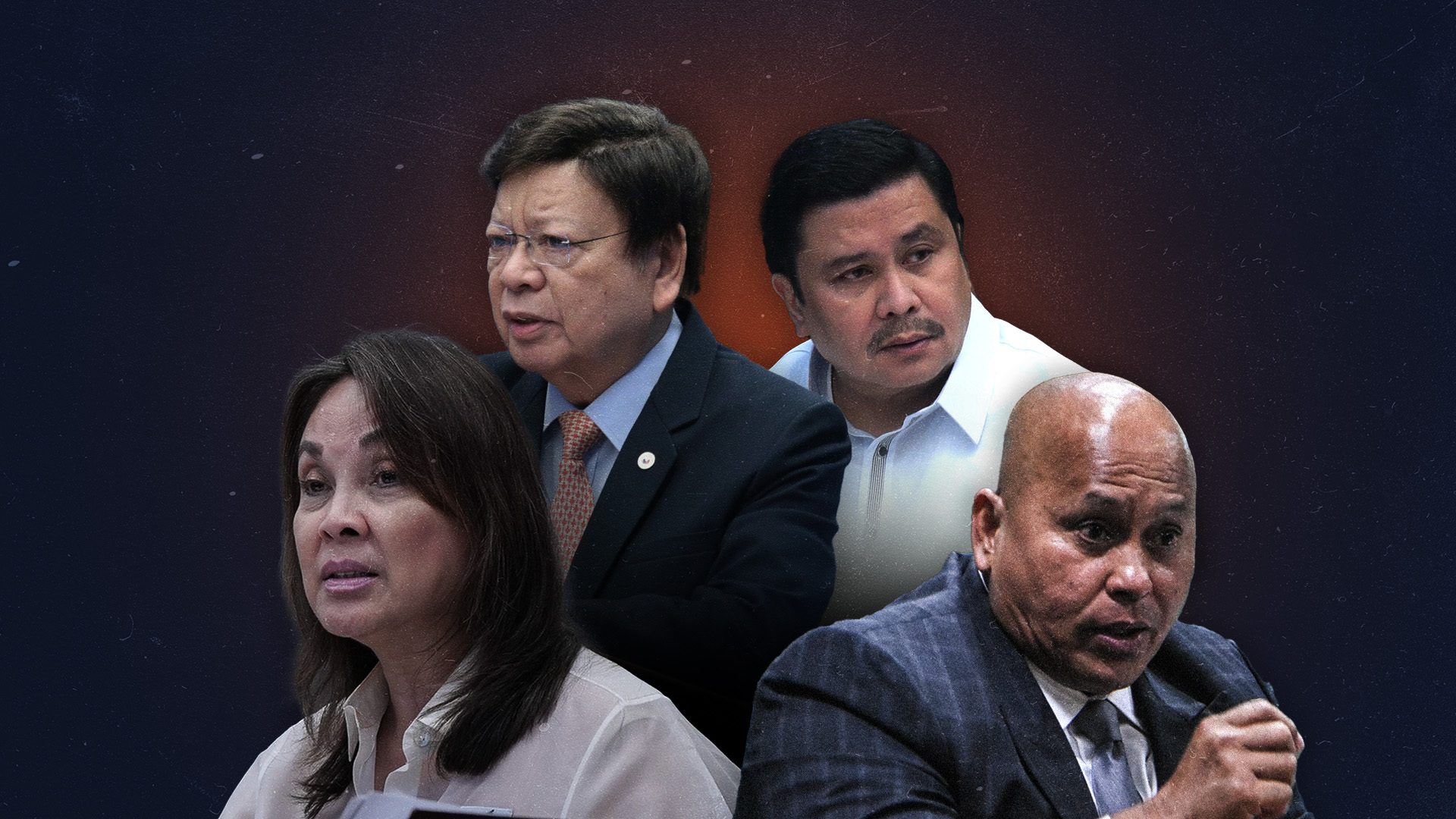
The Philippine Senate has ceased salary payments for four of its members, including Senator Loren Legarda, due to prolonged absences from sessions and an impeachment trial. This measure, confirmed by Senate President Sherwin Gatchalian, follows Legarda's voluntary suspension of her salary while on medical leave. The other three senators include two who are currently detained and one facing an International Criminal Court arrest warrant. The Senate may classify these unspent salaries as savings, as reported by Rappler on August 27, 2026.
This development reflects an ongoing structural issue within the Philippine legislative body regarding member accountability and the operational integrity of the Senate. The 2026 events follow earlier reports, such as a 2025 Rappler article noting critics could file an ethics complaint regarding Senator Dela Rosa’s absence, and a May 2026 South China Morning Post report highlighting concerns over a senator’s six-month paid absence amidst an ICC inquiry. While these instances individually highlight the issue of non-attendance, their cumulative effect points to a pattern of systemic vulnerability within the institution. The Philippine President had to intervene earlier in June 2026, according to Reuters, to end a Senate impasse by reportedly telling members to 'get back to work,' indicating executive concern over legislative functionality.
The withholding of salaries, while a concrete step, primarily addresses a financial symptom rather than the underlying causes of persistent legislative absenteeism. The Senate's ability to declare these funds as savings suggests a mechanism for managing the fiscal impact but does not resolve the void left by absent representatives or the political implications of their non-participation. The structural question remains: how effectively can the Senate legislate and maintain checks and balances when a significant portion of its membership is functionally absent?
The broader implication for the Asia-Pacific region centers on the perception of democratic governance and institutional robustness. When a national legislative body struggles with fundamental issues of attendance and accountability, it can erode public trust and potentially invite executive overreach. The June 2026 Japan Times report noting a Sara Duterte ally losing Philippine Senate leadership ahead of her trial further highlights the precarious nature of political alliances and individual positions within the Senate, suggesting shifts in power dynamics are also at play. The current situation does not represent a new problem, but rather the visible manifestation of enduring structural weaknesses in the Philippine Senate's capacity for consistent governance.
The resolution of this situation depends not merely on financial adjustments but on the Senate’s internal capacity to enforce attendance and address the broader political and legal circumstances that lead to such absences. Without a clearer framework for ensuring active participation, the functional integrity of the legislative branch remains compromised.
Sources
Newsletter
Pacific Daily
A curated briefing from Thailand, Asia-Pacific and the world.