Philippine School Safety Bill: Consolidation Over New Measures, A Regional Template?
The Senate's approval of a comprehensive framework addresses immediate concerns, but its practical implementation and wider relevance across Southeast Asia warrant scrutiny.
SINGAPORE
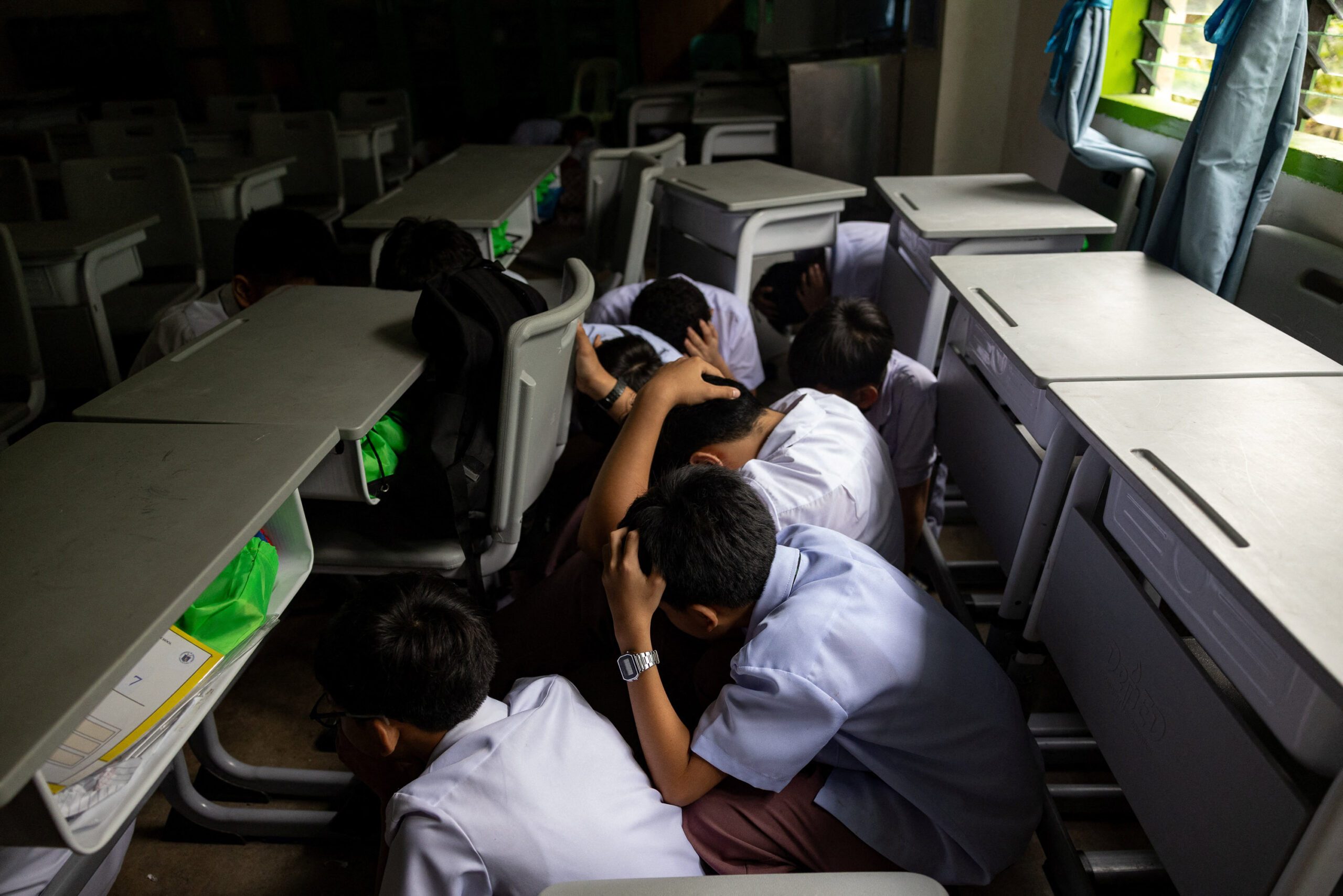
The Philippine Senate's approval of Senate Bill No. 2426 on September 21, 2026, establishes a comprehensive school safety framework. This legislative action directly follows recent school shootings. The bill consolidates protections already present in existing child protection, mental health, and disaster policies into a singular operational framework. This applies to both public and private schools. It prohibits various forms of violence and abuse within educational settings and mandates the Department of Education to lead the implementation of safety protocols and infrastructure.
This approach suggests a focus on streamlining and unifying existing, fragmented responses rather than introducing entirely new regulations. The Rappler report on September 21, 2026, indicates the bill's intent is to create a more integrated protective system. However, the effectiveness of this consolidation depends on the Department of Education's capacity to implement the framework across a geographically and socio-economically diverse nation. Without explicit data on allocated resources or a detailed implementation timeline, the actual impact on school safety remains an unquantified outcome.
For Southeast Asian nations like Thailand, which share common challenges such as diverse educational infrastructure and varying socio-economic conditions, the Philippine experience offers a comparative case. The principle of a consolidated national framework for school safety might be considered by others, though specific approaches to violence prevention will differ by context. There is an observation that legislative solutions may not always address underlying issues effectively. This highlights a limitation: a top-down legislative mandate risks being less impactful if it does not incorporate community-level insights or address root causes of violence.
Economic implications, especially for infrastructure upgrades and mental health support mandated by such a framework, typically present significant hurdles. The success of Senate Bill No. 2426 in the Philippines hinges on whether its comprehensive nature translates into measurable improvements in safety statistics and student well-being, moving beyond merely codifying existing, disparate efforts. For the broader Asia-Pacific region, the Philippines’ enactment of this legislation could serve as a case study for managing the complexities of national safety policy implementation in educational settings. The critical question remains whether the legislative framework can be effectively operationalized to mitigate actual risks, particularly as specific figures on violence reduction or resource deployment are not yet available for review.
Sources
Newsletter
Pacific Daily
A curated briefing from Thailand, Asia-Pacific and the world.