Perlis Nipah Palms: Local Entrepreneurship Navigates Flood Risks for Tourism
A small business in Malaysia's Perlis state seeks to create economic opportunity from natural resources, but its location highlights the ongoing challenge of climate-related disruptions for everyday livelihoods.
SINGAPORE
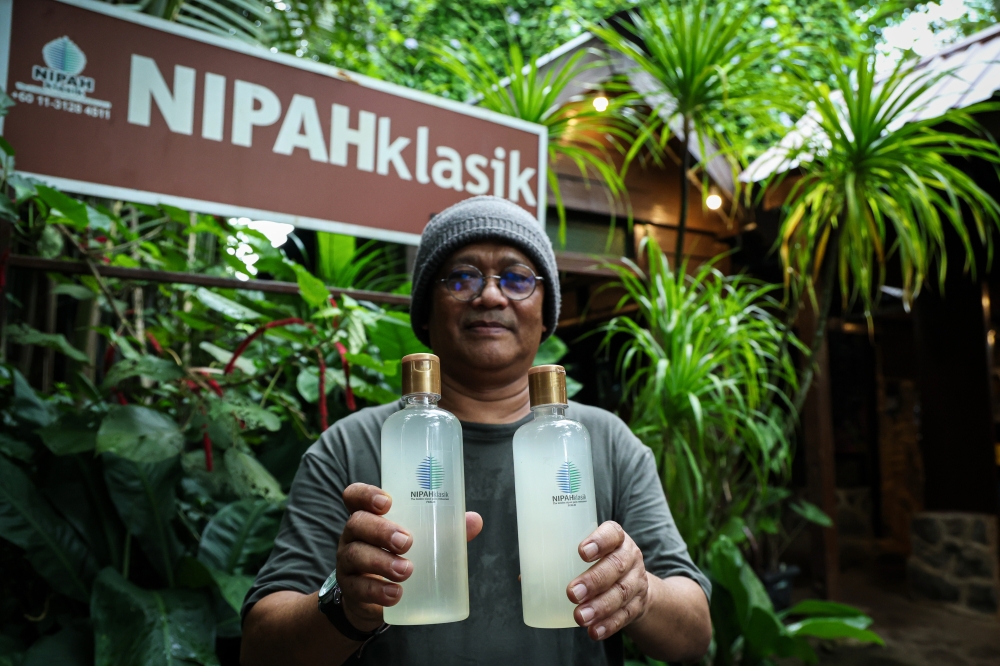
A Perlis entrepreneur has begun transforming a 0.3-hectare muddy swamp, home to approximately 1,000 nipah palm trees, into a tourism attraction. This initiative, reported by Malay Mail Life on September 29, 2026, aims to develop the area into a destination that could draw visitors.
The venture seeks to leverage the unique environment of the nipah swamp, offering a different kind of attraction compared to conventional tourist spots. For local residents, especially in Malaysia's northern states, such efforts can create direct economic avenues. These opportunities often stem from the sale of local produce or services to tourists, providing supplementary income where traditional livelihoods might be limited or seasonal.
The location, however, raises questions about sustainability in a region increasingly affected by climate patterns. Perlis, a state that has seen incidents like the arrest of a Zakir Naik associate in 2019, is part of a broader Southeast Asian landscape vulnerable to severe weather. Flooding, such as the ‘once in 300 years’ rain event that hit a Thai city in November 2025, frequently ravages parts of the region. A venture based in a “muddy swamp” faces inherent risks from heavy rainfall and rising water levels, which can disrupt operations, deter visitors, and necessitate costly repairs or adaptations.
While the entrepreneur’s initiative seeks to convert a natural feature into an economic asset, the fundamental challenge remains the unpredictability of environmental conditions. The success of this tourism attraction — and others like it — will depend heavily on robust infrastructure and effective mitigation strategies against weather-related impacts. Without these, the initial investment and the potential for local economic uplift could be undermined by the very environment it seeks to showcase. The story of this Perlis enterprise highlights how local economic ambitions must contend with the practicalities of a changing climate, particularly in flood-prone areas.
Economic Potential vs. Environmental Realities
For consumers, especially those in the Asia-Pacific interested in local experiences, the emergence of such attractions offers new choices for leisure spending. However, the reliability of these destinations directly impacts visitor confidence and, by extension, their monthly budgets for travel and recreation. Repeated disruptions due to weather could lead to cancellations or lost income for local businesses that rely on consistent tourist traffic. The entrepreneur’s vision of transforming a swamp into a tourist spot exemplifies a common drive for economic diversification in rural areas, yet it also underscores the fragile balance between human enterprise and natural forces.
The long-term viability of this nipah palm attraction, and similar projects across the region, will depend on how effectively local businesses and authorities implement strategies to manage and adapt to environmental challenges, ensuring new economic opportunities are resilient enough for the changing climate patterns impacting everyday life and commerce.
Sources
Newsletter
Pacific Daily
A curated briefing from Thailand, Asia-Pacific and the world.