Ninja Certification Exam Highlights Economic Strategy in Japan
The Koka-ryu Ninja Certification Exam, a local heritage initiative, reveals efforts to leverage cultural assets for economic benefit. This approach, while generating revenue, also raises questions about the balance between authenticity and commercialization.
SINGAPORE
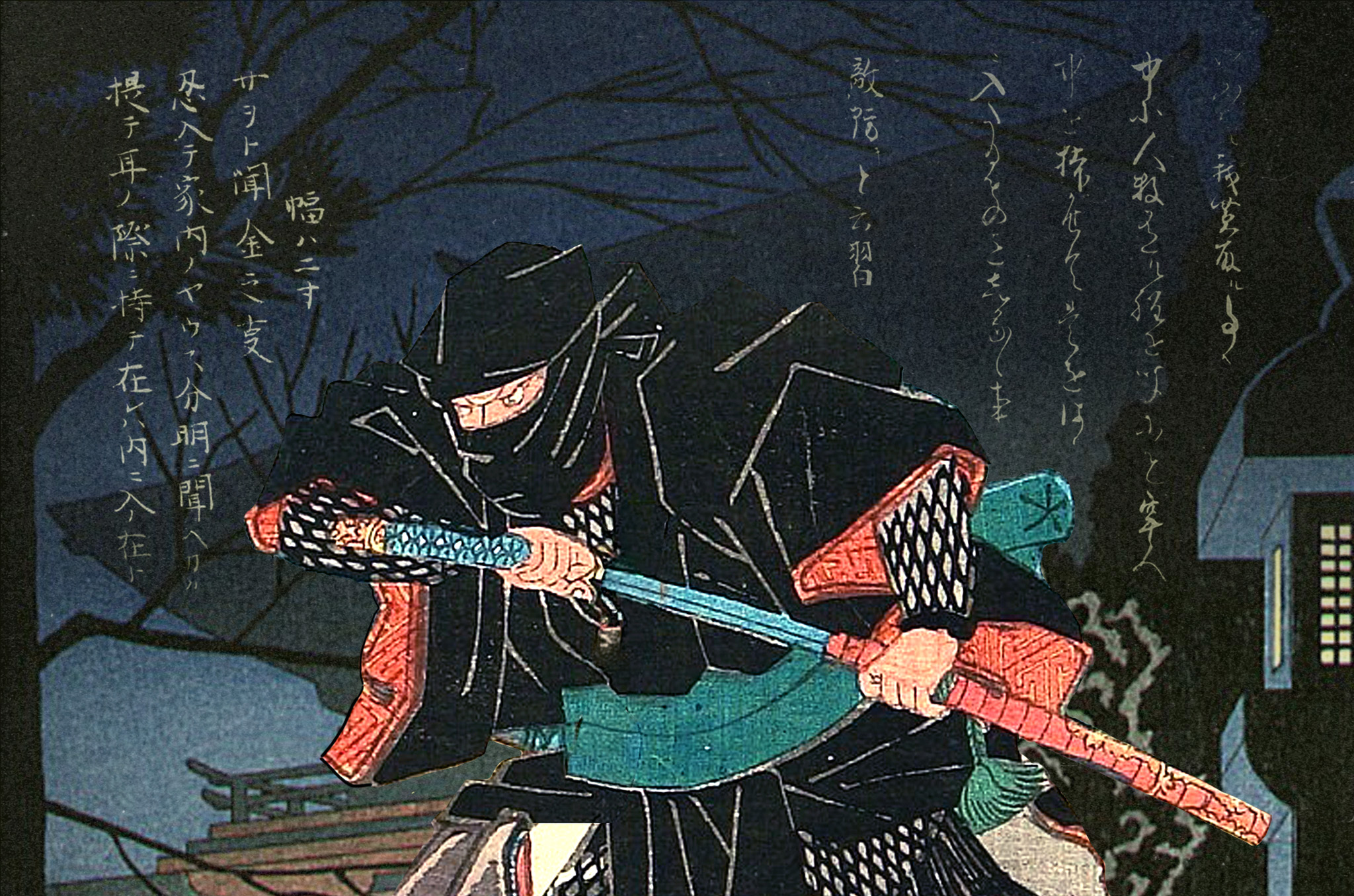
In mid-June, 131 individuals participated in the Koka-ryu Ninja Certification Exam held in Koka, Shiga Prefecture. This event, conceived as a method to promote the local heritage of Japan’s historical spy-assassins, assessed participants primarily through a written test. Extra points were allocated for specific elements, including costumes and proficiency in shuriken-throwing.
The exam's function extends beyond a simple test of historical knowledge; it serves as an economic strategy. By transforming a historical identity into a certified experience, Koka aims to attract tourism and generate revenue. This approach aligns with a broader trend seen across the Asia-Pacific region, where cultural symbols are repurposed for commercial engagement. The focus on 'heritage promotion' suggests an intent to draw visitors, potentially increasing local spending on related goods and services, which would directly impact monthly budgets in the community.
However, this commercialization effort comes with considerations. While the exam reportedly measures understanding of real shinobi studies, including knowledge of Japan’s three surviving ninja manuals, its design also incorporates performative aspects like costumes and shuriken skills. This combination indicates a balancing act between historical accuracy and tourist appeal. The question arises whether such initiatives prioritize the preservation of a nuanced history or the creation of an easily marketable product. An attributed claim from Tokyo Weekender indicates the manuals reveal a profession that was "perilous, unpleasant and far less glamorous than popular depictions." The exam, by offering points for costume and shuriken skills, suggests a concession to these popular depictions.
For a household considering a trip to Koka, the certification might represent a unique cultural experience worth the expenditure. For Koka, the revenue from 131 participants, each paying a fee, represents a quantifiable economic gain. The outcome for communities attempting this balance will depend on whether they can sustain interest beyond novelty and avoid diluting the very heritage they seek to promote for economic purposes.
Sources
Newsletter
Pacific Daily
A curated briefing from Thailand, Asia-Pacific and the world.