New Shinkansen lines promise little change for most expatriates
While Japan expands its rail network, the practical impact on daily expat life remains limited to a few specific journeys.
SINGAPORE
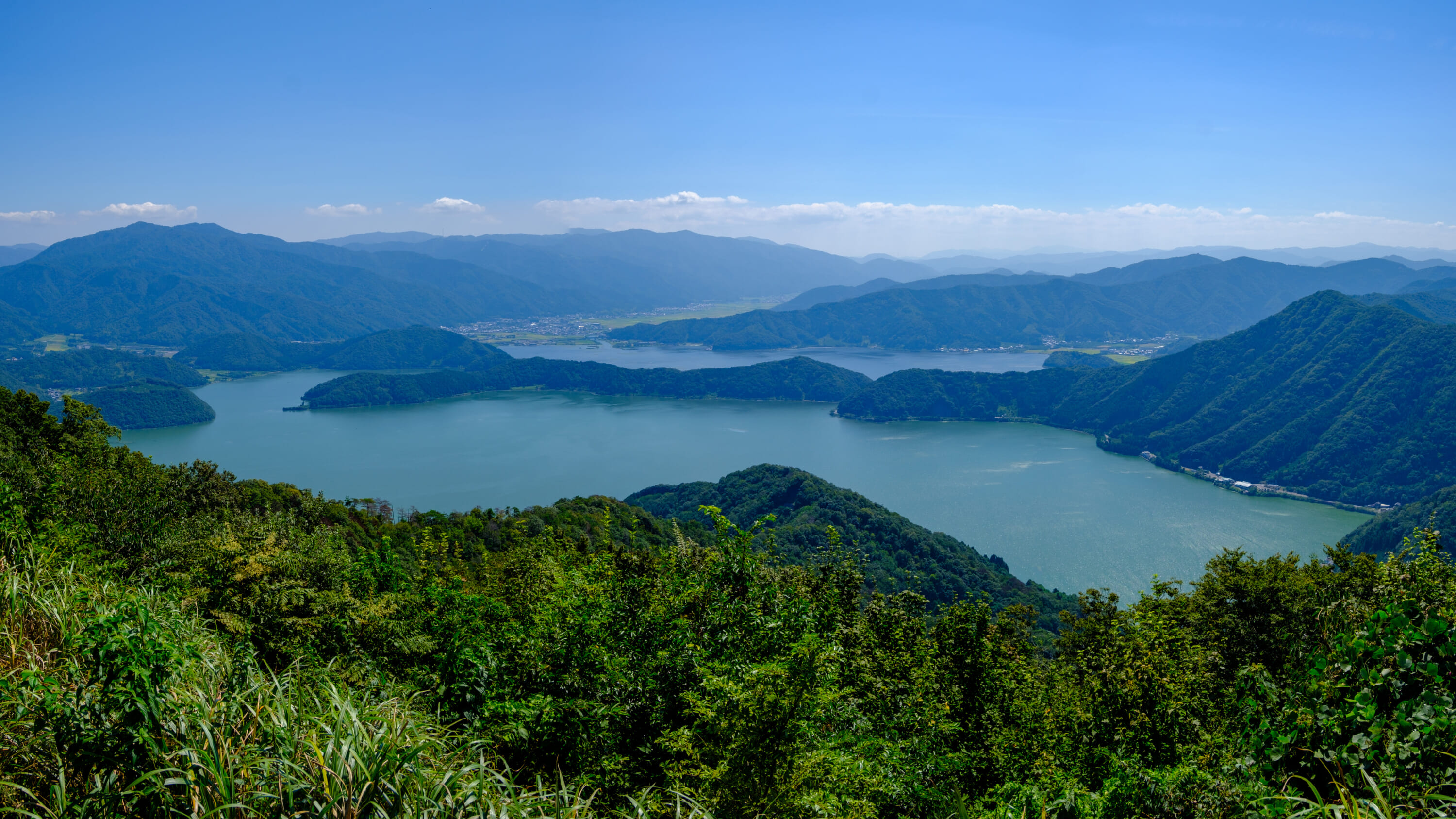
Japan’s expanded Shinkansen network now reaches Fukui, a development recently noted by Tokyo Weekender. The Hokuriku Shinkansen includes four stops in Fukui, with Tsuruga as its westernmost terminus. This expansion allows access to areas like Wakasa in southern Fukui, which Tokyo Weekender describes as offering experiences that restore body and mind.
However, for the majority of expatriates in the Asia-Pacific region, and even within Japan, this new line alters little in their typical month. The primary beneficiaries are a specific segment of travelers interested in a wellness retreat in a location that is now more accessible by high-speed rail. The availability of a Shinkansen stop at Tsuruga means that visitors can reach Wakasa more directly. This is a change for those seeking a quiet stretch of Fukui's southern coast, but it does not redefine broad patterns of expat travel or residence.
Most expatriate movement and lifestyle choices are not dictated by the opening of a new rail terminus in a relatively distant prefecture. Expat communities often concentrate in major urban centers, driven by employment opportunities, established international amenities, and existing social networks. A Shinkansen extension might slightly reduce travel time for a leisure trip, but it is unlikely to shift the calculus for residency or regular commute patterns. The claim that this area is a “wellness retreat” is an attributed claim by Tokyo Weekender, suggesting a specific appeal rather than a universal draw.
For those not actively seeking such specific, niche destinations, the new line is largely irrelevant. It does not address common challenges faced by expatriates, such as visa complexities, cost of living in major cities, or the availability of international schooling. The focus on “body and mind restoration” caters to a particular type of traveler, rather than the everyday needs and routines that shape most expat experiences. While infrastructure development is always notable, its practical effect on the human scale of expat life remains contained to a small fraction of the expat population, primarily those with specific travel interests in remote areas.
Sources
Newsletter
Pacific Daily
A curated briefing from Thailand, Asia-Pacific and the world.