Minor Public Incidents Signal Unresolved Costs in Urban Systems
A Singaporean investigation into a rash act highlights the financial and social burdens placed on public transport networks, extending beyond isolated misconduct.
SINGAPORE
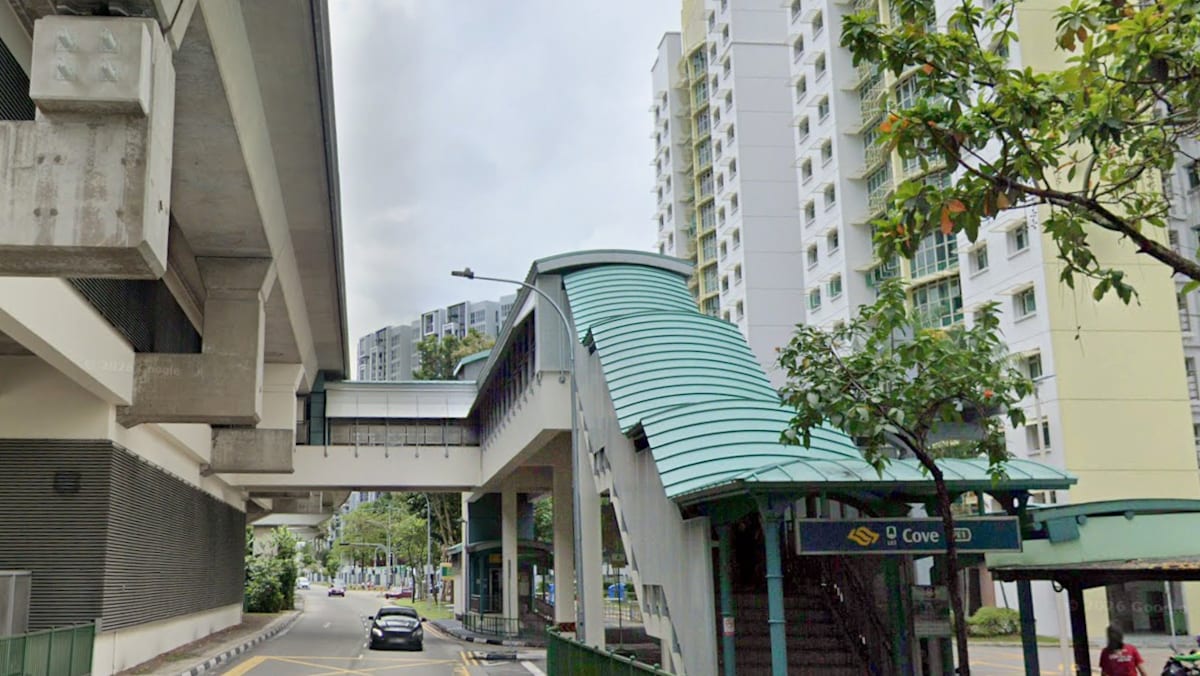
A 17-year-old boy faces investigation for a rash act, allegedly throwing a bag containing two blocks of ice cream off the platform at Cove LRT Station. The incident, which occurred at about 11pm, was reported to police two days later. Officers from Ang Mo Kio Police Division identified the teenager through ground enquiries and CCTV, according to a police news release on Tuesday, October 6. While seemingly minor, such incidents on public transport systems across Asia-Pacific introduce tangible costs and signal underlying societal dynamics.
Public transit networks are essential for urban functionality, built for efficient and safe movement. Any disruption, regardless of its scale, generates expenses. The immediate focus on individual accountability or cleanup often overlooks the broader financial implications. The recurring nature of rash acts in public spaces, particularly involving younger individuals, points to factors beyond simple misbehavior. This perspective considers not just one errant youth, but the systemic costs and incentives that permit such conduct to persist.
From a market realist standpoint, the cost of maintaining order and safety in transit environments is significant. Public transport operators allocate resources for surveillance, incident response, and cleaning. These expenditures are ultimately funded by commuters through fares and by taxpayers via subsidies. Incidents of public misconduct impose external costs on the system and its users. This diverts funds that could otherwise enhance services or develop infrastructure. If such acts become frequent, the perceived safety and reliability of public transport may decline, potentially impacting ridership and revenue.
Beyond direct financial outlays, broader societal implications include the psychological effect on commuters. A sense of unease or insecurity, even from small disruptions, can erode public trust in shared civic spaces. This incident, while not severe, resonates with wider regional concerns regarding youth conduct. These include discussions around a Thai teenager's rampage in August and debates over social media's influence on Australian teens, following an under-16 ban that began three months prior. Singapore's reputation for public order makes such an alleged act stand out, prompting questions about its place within established civic norms.
This act, though potentially dismissed as youthful indiscretion, contributes to a pattern of similar occurrences that challenge collective adherence to public standards. Public transport serves as a microcosm of society; its smooth operation depends on mutual respect and shared rules. The fundamental challenge involves not merely deterring individual acts, but reinforcing these foundational principles across the public realm. The resolution depends on addressing immediate enforcement needs and the broader societal incentives that shape public conduct.
Sources
Newsletter
Pacific Daily
A curated briefing from Thailand, Asia-Pacific and the world.