Microdrama 'Connected' Points to Shifting Consumption of Local Narratives
SPH Media’s 24-episode horror-comedy, designed for mobile viewing, signals an adaptation to how regional audiences engage with storytelling, moving beyond traditional formats.
SINGAPORE
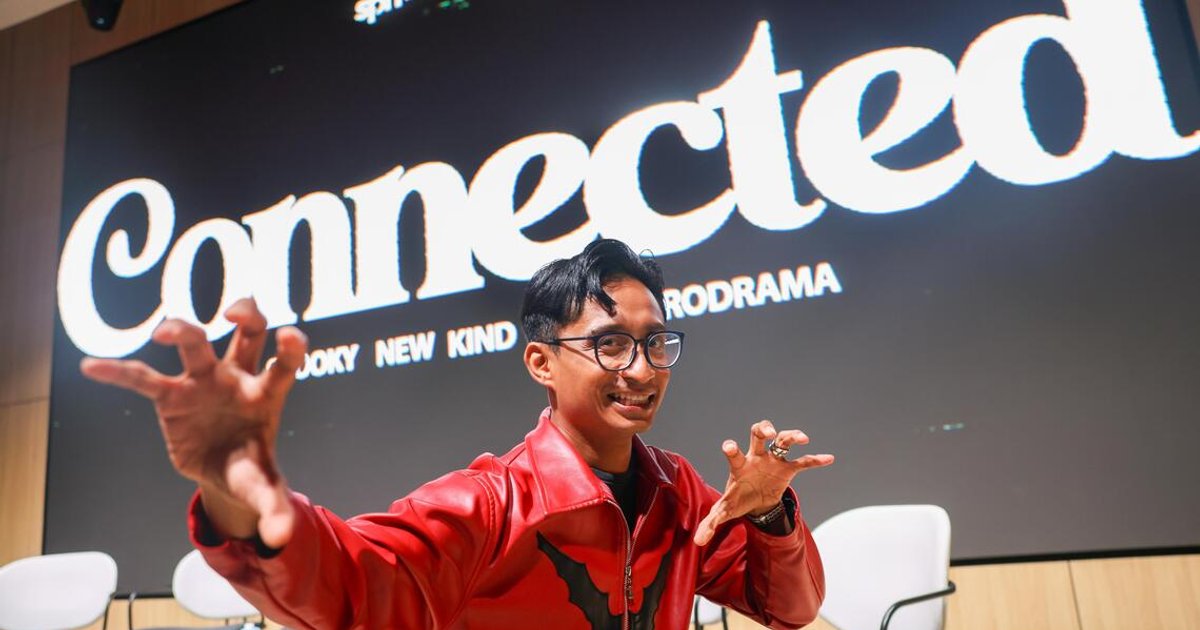
The launch of 'Connected,' a new horror-comedy microdrama from SPH Media, offers a glimpse into evolving content consumption patterns across Southeast Asia. Starting October 10, the 24-episode series, starring Lim Yan Xin and Fauzi Azzhar, will be available on Singtel, Stomp, and HardwareZone’s social platforms. This distribution model and format suggest a deliberate move to meet audiences where they are, specifically on mobile devices, and with content tailored for shorter, more frequent engagements.
The series draws its material from ghost stories contributed by Stomp readers and Singaporean urban legends, a choice reflecting a persistent cultural interest in the supernatural. The pairing of well-known local lore with modern production techniques—including a mix of live action, animation, and AI tools—indicates an attempt to bridge traditional narrative appeal with contemporary technological capabilities. While SPH Media states technology supports human creators, this blend also highlights an ongoing conversation about the role of artificial intelligence in creative industries and how media houses position themselves within that dialogue.
Historically, content creation in the region has often followed established television or film production cycles, leading to longer formats and more structured release schedules. The microdrama, however, proposes a different rhythm. It acknowledges a preference for bite-sized entertainment that can be consumed in fragmented moments throughout the day. This shift is not just about duration; it implies a deeper change in how narratives are structured and how audiences piece them together, potentially fostering a more interactive or episodic relationship with a story.
The involvement of platforms like Stomp and HardwareZone’s socials as distribution channels, alongside Singtel, further underscores a strategy focused on digital-native audiences. These platforms are typically associated with user-generated content and tech-centric discussions, suggesting that 'Connected' aims to capture viewers who are already embedded in these online ecosystems. The move indicates that conventional media entities are experimenting with format and distribution to remain relevant amidst a fragmented digital landscape.
Yet, the question remains whether microdramas, however efficiently produced and distributed, can foster the same depth of engagement as more expansive storytelling forms. While short-form content can attract immediate attention, its ability to sustain interest over 24 episodes, even brief ones, relies heavily on compelling narratives and consistent quality. The challenge for 'Connected' and similar ventures lies in proving that local ghost stories, when delivered in rapid succession, can still resonate profoundly with an audience accustomed to diverse and globally sourced digital entertainment.
This development, originating in Singapore, reflects broader trends seen across Asia-Pacific. As digital penetration increases and mobile phones become the primary screen for many, media companies are compelled to innovate not only in content but also in its delivery. The success or limitations of 'Connected' in drawing and retaining viewers will offer insights into whether this form of storytelling can effectively compete for attention in a crowded digital space, ultimately shaping how local narratives are packaged and consumed in the coming years.
Sources
Newsletter
Pacific Daily
A curated briefing from Thailand, Asia-Pacific and the world.