Luxury Cruising Reshapes Asia's Tourism Landscape
The arrival of superyacht-style vessels suggests a shift from mass tourism to exclusive, personalized experiences, altering infrastructure demands and market dynamics across the region.
SINGAPORE
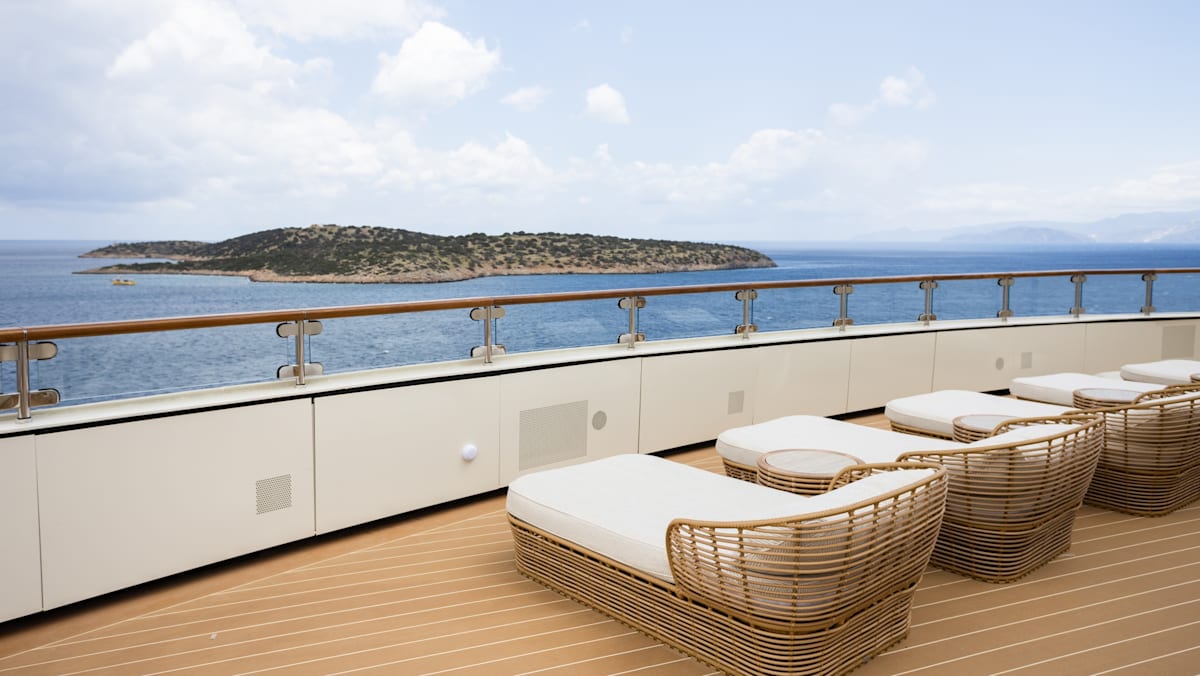
The luxury travel sector in Asia is undergoing a significant transformation, marked by the introduction of smaller, more exclusive cruise vessels. This year, the Four Season I, designed in a superyacht style, accommodates 222 passengers, signaling an industry shift away from large-scale ships and towards personalized travel. This move, driven by a reported demand for greater space, privacy, and tailored experiences, parallels broader trends observed in Asia's premium hospitality.
While traditional cruising focused on formality and volume, the new generation emphasizes intimate, yacht-like offerings with exclusive itineraries and dedicated wellness options. The NoMad brand's arrival in Singapore and Vietnam's luxury resorts securing Asian tourism awards highlight a region increasingly catering to high-end travelers. Marriott International also reintroduced its luxury dining series across the Asia-Pacific, featuring six destination experiences. These developments reflect a converging preference for bespoke, high-value engagements over standardized mass-market offerings.
For Thailand, a country with established coastal tourism infrastructure, this shift presents both opportunities and challenges. The current emphasis on large cruise ship terminals and high-volume destinations may need recalibration as superyacht-style vessels prioritize smaller ports and bespoke shore excursions. This trend could decentralize tourist traffic, benefiting less-developed coastal areas that can offer exclusive access or unique cultural interactions, provided local infrastructure adapts. Conversely, a focus on smaller, more private experiences inherently limits the overall number of arrivals, potentially altering the economic calculus for regions reliant on high-volume tourism.
Across the broader Asia-Pacific, this evolution could redraw tourism maps. Markets like Korea, which Aston Martin expects to become its second-largest in the Asia-Pacific, demonstrate growing affluence that fuels demand for such exclusive services. The increasing appetite for print campaigns in Asia's luxury media landscape further indicates a receptive and growing consumer base for high-end goods and services. However, this shift towards hyper-personalized luxury cruising also raises questions about accessibility and potential impacts on local communities, which may not be equipped to manage or benefit from such highly specialized tourism. The emphasis on individual experiences, while appealing to a specific demographic, can sideline the broader economic contributions typically associated with larger tourist influxes, especially in developing economies where volume often underpins job creation and infrastructure development.
This reorientation from volume to value also implies changes in regional investment priorities. Infrastructure development for smaller, high-yield vessels requires different considerations than those for mega-ships, potentially favoring agile, niche developments over expansive, generalist facilities. The unresolved tension lies in balancing the economic benefits of high-spending, low-volume tourism with the established models of broader tourism development that have long characterized the Asia-Pacific region.
Sources
Newsletter
Pacific Daily
A curated briefing from Thailand, Asia-Pacific and the world.