Korean LCC Consolidation Shifts Asia-Pacific Air Travel Dynamics
The merger of Jin Air, Air Busan, and Air Seoul into a single low-cost entity by March 2027 reshapes regional competition, posing new challenges for independent carriers and potential implications for passenger options.
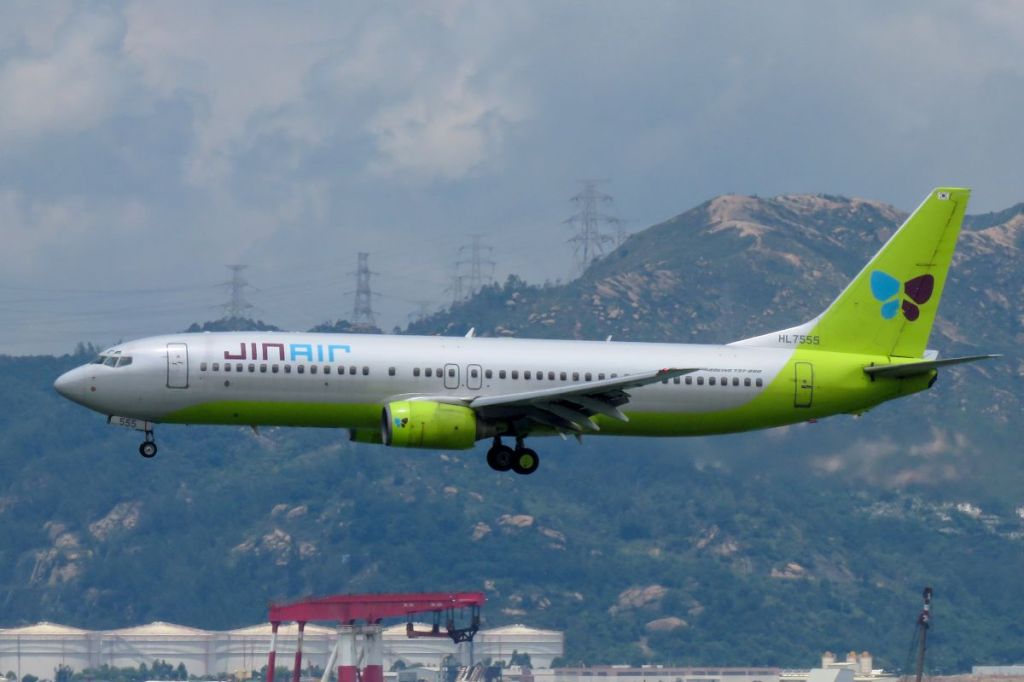
South Korea's low-cost airline sector faces significant structural change. By March 2027, Jin Air, Air Busan, and Air Seoul are slated to merge into a single, larger low-cost carrier (LCC). This consolidation, reported by The Straits Times on August 22, 2026, follows a trend of market concentration previously observed with the Korean Air and Asiana merger, prompting Reuters reports on December 12, 2024, about safeguarding competition.
This unified LCC, backed by a flag carrier, introduces a formidable competitor into a market described by Skift on August 24, 2026, as having "too many brands." The financial data suggests that combining three existing operations under one banner could yield efficiencies. Reduced operational redundancy and increased network density are likely outcomes. For example, a shared aircraft fleet and unified route planning could optimize resource allocation, potentially lowering per-seat costs.
The immediate impact on Southeast Asian markets, including Thailand, warrants examination. An enlarged Korean LCC could deploy increased capacity on popular short-haul routes to destinations like Bangkok or Phuket, driving down fares. This pressure would disproportionately affect independent carriers such as Jeju Air and Trinity Airways, which, according to Skift's analysis, will find it harder to compete effectively against the consolidated entity. Carriers like T'way Air, which saw a "golden opportunity" from new EU routes, as reported by Reuters on March 6, 2024, might find their short-haul market share eroded if they do not adapt to the changed competitive landscape.
However, the assertion that this consolidation leads unequivocally to improved passenger options and lower fares requires qualification. While initial price competition is probable, a reduction in the number of distinct carriers could, over time, limit choice. The Fair Trade Commission’s regulatory conditions and capacity requirements, questions raised by Skift, remain undefined. These stipulations will dictate the extent of the new entity’s market power.
The Korean LCC merger represents a material shift in regional airline economics. The long-term constraint remains how regulatory bodies balance market efficiency gains against the imperative to maintain competitive choice. The ultimate outcome for Southeast Asian travelers and independent airlines will depend on the stringency of these regulatory interventions and the strategic responses of the surviving independent players.
Sources
Newsletter
Pacific Daily
A curated briefing from Thailand, Asia-Pacific and the world.