Jardine Matheson's Strategic Shift: A Regional Reckoning in Retail
The conglomerate's divestment from Maxim's for Starbucks licensing highlights a broader pivot toward more liquid, internationally aligned assets, with implications for Southeast Asian markets.
SINGAPORE
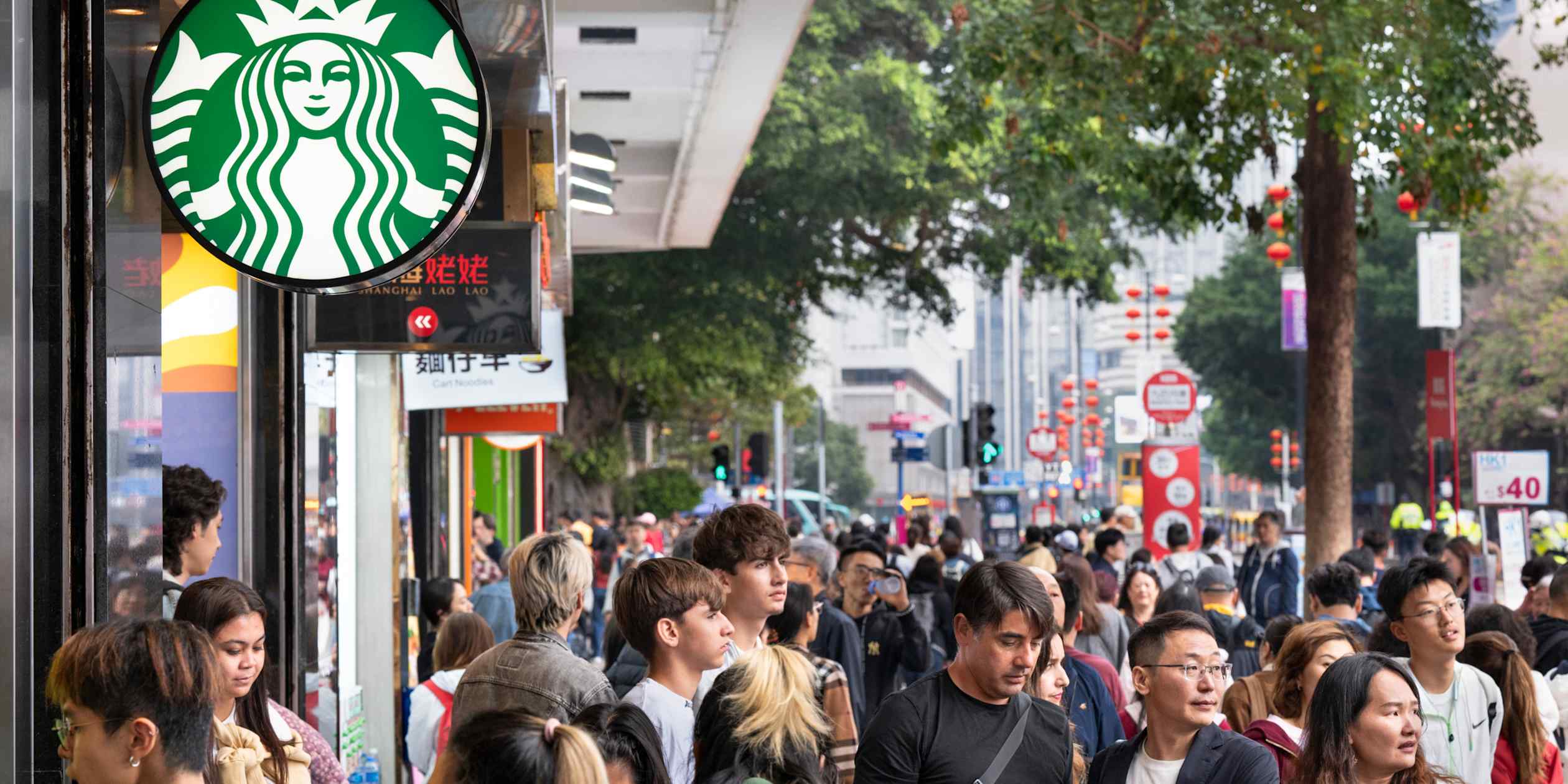
Jardine Matheson’s DFI Retail Group has swapped its stake in Maxim's Caterers for the Starbucks license in Hong Kong and Macao, alongside a $340 million cash payout. This transaction, reported by Nikkei Asia on October 1, 2026, is not an isolated event but a continuation of a broader strategic reorientation by the conglomerate, whose historical ties are giving way to a more diversified, liquid portfolio.
Historically, Jardine Matheson has maintained a significant presence in certain Asian markets, often through complex and intertwined holdings. The recent deal, however, represents a move toward consolidating its retail interests under a globally recognized brand while simultaneously monetizing a legacy asset. This aligns with other recent actions, including the reported consideration of offers for its KFC and Pizza Hut chains in Asia, as well as its acquisition of Australian diagnostic group I-MED for US$2.4 billion in May 2026.
The pattern suggests a strategic shift from deep, often opaque, local market entanglements toward assets with clearer valuations and broader international appeal. While this move simplifies DFI Retail’s operational structure in Hong Kong and Macao, giving it direct control over Starbucks, it also underscores a re-evaluation of regional assets. The US$13 billion asset sale spree, aimed at revamping its empire, alongside targets for 5% annual dividend growth and a US$500 million share buyback, points to a clear financial mandate for efficiency and shareholder return.
For Southeast Asian markets like Thailand, such shifts by major regional players carry implications. As Jardine Matheson streamlines its holdings, capital freed from older, less efficient structures may be redeployed into markets perceived as offering higher growth potential or clearer regulatory environments. This could mean increased competition or investment in certain sectors, but also potentially less long-term commitment to traditional, locally entrenched businesses.
One counterargument suggests these moves are merely portfolio optimization within existing frameworks, designed to enhance profitability rather than signal a fundamental shift in regional focus. However, the consistent divestment from deeply local or complex joint ventures, combined with acquisitions in other, often more developed, markets indicates a deliberate change in investment philosophy. The company's focus on international brands like Starbucks, even within its traditional operating territories, reflects a preference for assets with global scalability and clear brand equity over local market idiosyncrasies. The challenge for many regional economies, including Thailand, lies in attracting this new, more globally-oriented capital while retaining the benefits of long-term, locally invested partnerships.
Sources
Newsletter
Pacific Daily
A curated briefing from Thailand, Asia-Pacific and the world.