Regional Economies Navigate Persistent Trade Tensions Between Major Powers
The upcoming Trump-Xi meeting addresses a temporary trade truce, with long-term implications for Asia-Pacific supply chains and national economic planning.
SINGAPORE
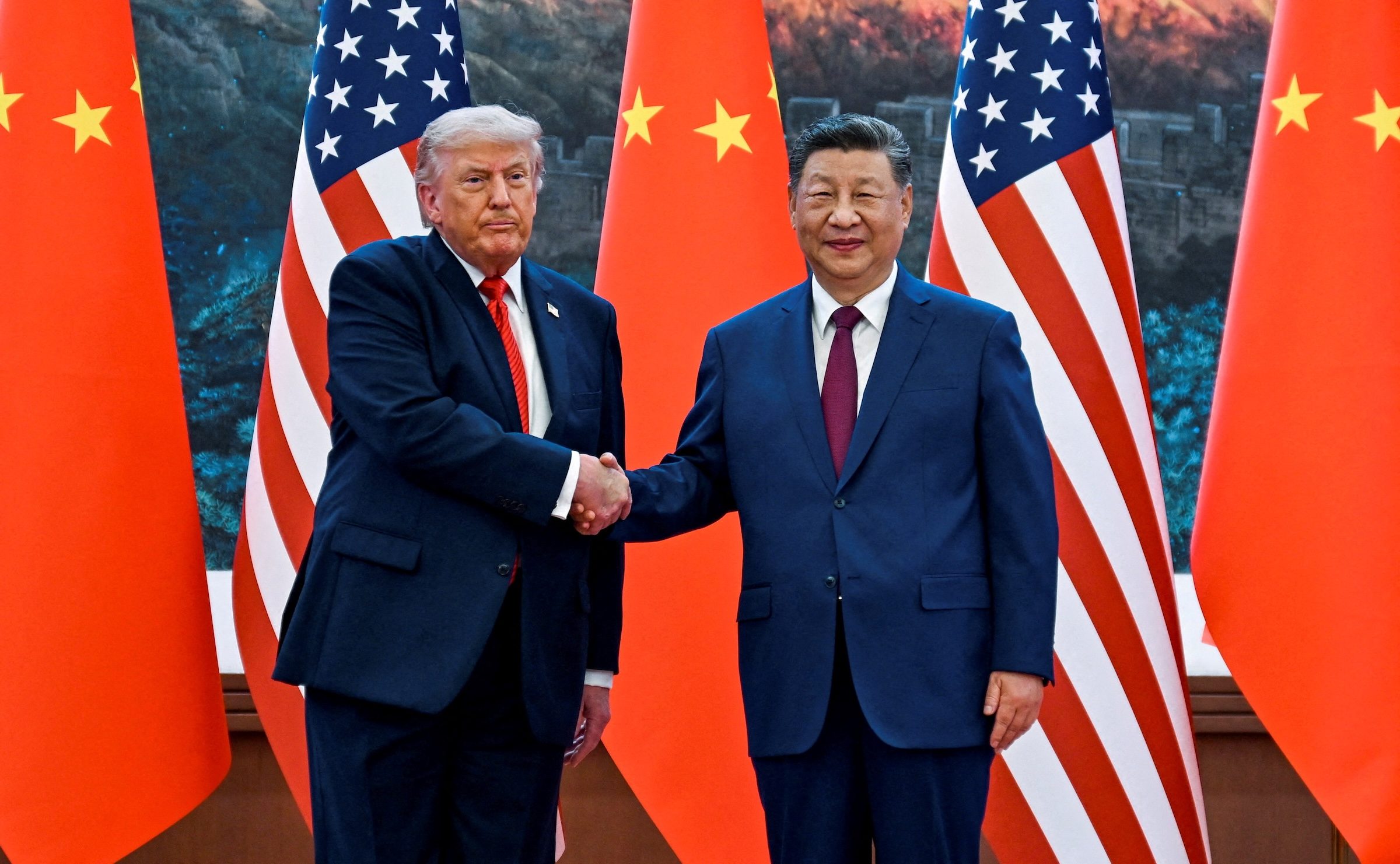
The reported meeting between US President Donald Trump and Chinese President Xi Jinping on September 24, 2026, to discuss the stability of a trade truce scheduled to expire in November, reflects a recurring pattern in global commerce. This follows a period where escalating tariffs and retaliations characterized US-China trade relations since February 2025. While the immediate focus is on preventing a renewed tariff escalation, the broader context for the Asia-Pacific region involves navigating structural shifts.
Since 2025, various reports have detailed the progression of this trade friction, from initial tariff implementation to the establishment of the current fragile truce. President Trump’s visit to Beijing on May 14, 2026, for discussions on trade, regional security, and bilateral ties, preceded this upcoming White House meeting. These high-level engagements frequently aim to stabilize immediate economic volatility. However, the underlying strategic competition continues to shape investment decisions and supply chain reconfigurations across the continent, affecting countries like Thailand directly.
Thailand, like other regional economies, has sought to balance its economic dependencies amidst this ongoing tension. Manufacturers and exporters in the Asia-Pacific have previously diversified production bases or adjusted trade routes to mitigate tariff impacts. The recurring nature of these 'truce' discussions suggests that while direct confrontation may be paused, the broader economic realignment it spurred is not. For Thailand, this has meant careful calibration of its trade policies and industrial promotion efforts, seeking to attract investment that might otherwise be deterred by uncertainties in the larger US-China corridor.
### Strategic Divergence and Regional Impact
The principal challenge for regional strategists is discerning whether these discussions mark a genuine shift towards resolution or merely a temporary deferment of economic pressure. The history of US-China trade relations, marked by on-again, off-again tariffs since 2025, indicates that volatility remains a constant. While a renewed tariff war could disrupt existing export markets and supply chains, the absence of a long-term, stable trade framework means businesses and governments cannot assume sustained predictability. This persistent uncertainty compels states to develop independent economic resilience, often through regional trade agreements or by fostering domestic demand.
Consideration of who gains and who loses in these high-stakes negotiations frequently overlooks the secondary impacts on economies not directly at the table. An ongoing 'fragile truce' necessitates continuous adaptation rather than long-term strategic certainty. The immediate benefit of averting new tariffs is evident, yet the cumulative effect of prolonged trade policy ambiguity on foreign direct investment and market access for regional producers remains a significant concern. The imperative for countries like Thailand is to plan for a future where major power trade relations may oscillate between cooperation and competition, rather than settling into a singular, predictable pattern.
Sources
Newsletter
Pacific Daily
A curated briefing from Thailand, Asia-Pacific and the world.