Inland Diplomacy Leaves Coastlines to Absorb the Bill for Biodiversity
As funding shortfalls shadow COP17 in Yerevan, the gap between promised capital and sovereign action threatens global marine protections
Multilateral treaties treat ecological targets as binding commitments, yet treat the capital required to deliver them as discretionary aspirations. Both realities now collide as government delegations gather Monday in Yerevan, Armenia, for the United Nations Biodiversity Conference. Four years after negotiating a landmark framework in 2022, the international community has arrived at its formal reckoning, COP17, scheduled from Oct. 19 to Oct. 30. The friction is immediate and financial.
Under that 2022 pact, nations pledged to safeguard 30 percent of the planet's land and water by 2030, a goal anchored by an explicit target to mobilize at least $200 billion by the decade's end. Yet according to warnings delivered by environmental groups and the head of the conference itself, fundraising to protect oceans, forests, and other critical sites is falling decisively short. The rhetoric that secured unanimous consensus in 2022 has failed to produce matching sovereign line items in domestic treasuries.
The Geography of Unfunded Pledges
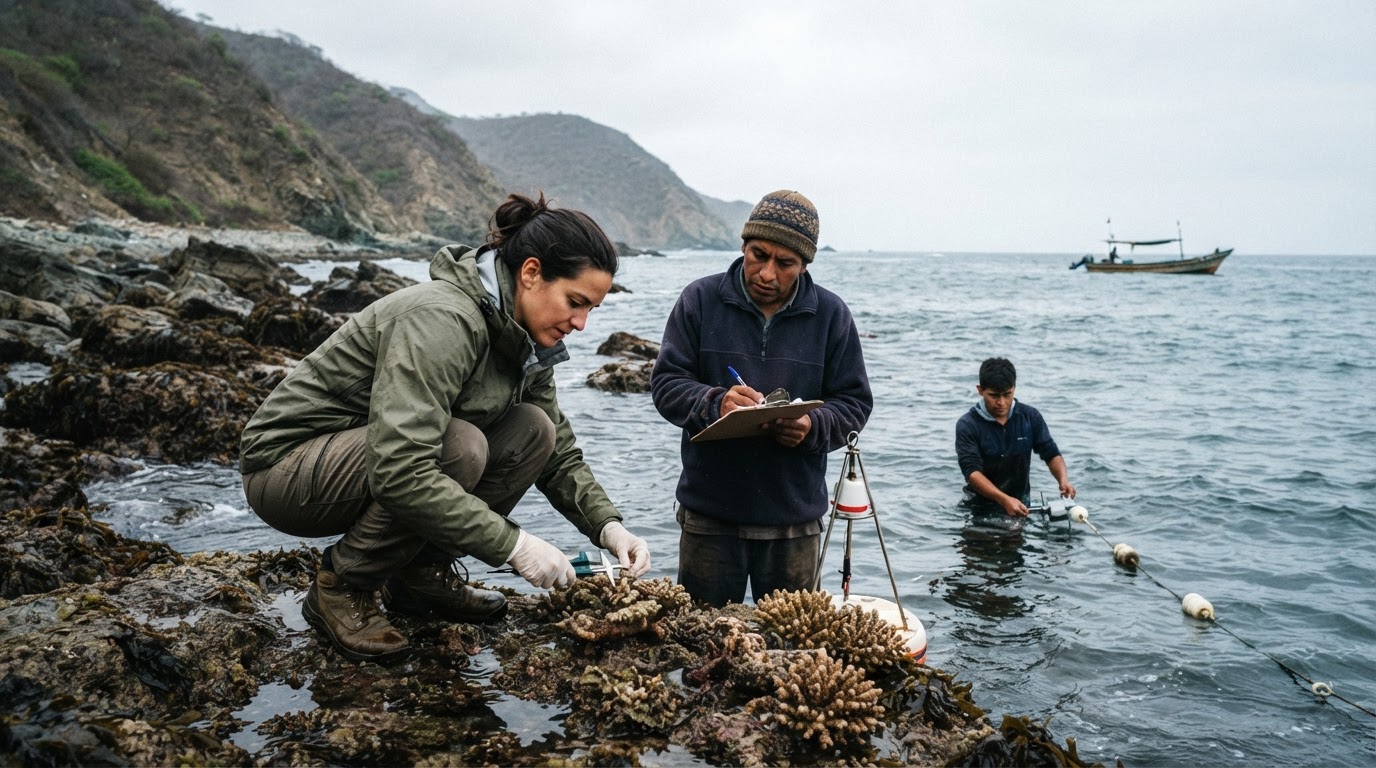
This breakdown exposes the enduring asymmetry between where environmental policy is negotiated and where its fiscal impact lands. Inland conference halls produce sweeping declarations, but maritime jurisdictions and coastal regions absorb the actual cost of enforcement. Establishing marine protected areas without capital backing creates paper sanctuaries. Without patrol assets, satellite monitoring, and administrative budgets, biological conservation remains an unfinanced mandate imposed on vulnerable littorals.
Signatory governments routinely point to legislative inertia and conflicting domestic budget priorities to account for the shortfall. Such administrative resistance is real, as public expenditures must pass domestic review. Yet treating funding targets as optional while demanding compliance on conservation acreage shifts the burden directly onto local authorities. From distant ocean systems to sensitive inland wetlands like Duden Lake in Kulu, Konya, Turkey, where migratory flamingos depend on sustained hydrological stability, ecological stewardship requires durable capital, not recurring diplomatic communiques.
The Accountability Deficit
Diplomatic summits often operate on the assumption that procedural revisions can substitute for structural finance. When delegations deliberate in Yerevan through Oct. 30, procedural debate cannot bridge a gap measured in hundreds of billions of dollars. If public finance fails to materialize, the target of protecting 30 percent of marine and terrestrial systems by 2030 will falter where enforcement is most difficult: along vulnerable sea lanes and under-resourced shorelines.
The Yerevan assembly presents a straightforward test of institutional credibility. United Nations pacts retain relevance only so long as sovereign states accept that conservation declarations demand verifiable fiscal transfers. As long as national treasuries withhold the funds promised four years ago, inland diplomacy will continue to externalize its costs onto the waters and ecosystems least equipped to bear them.
Sources
Newsletter
Pacific Daily
A curated briefing from Thailand, Asia-Pacific and the world.