Indonesia's Action Cinema Is Having Its Moment, and Jakarta's Audiences Are Driving It
Domestic films now compete head-on with Hollywood at Indonesian box offices. Action and horror are leading the charge.
JAKARTA
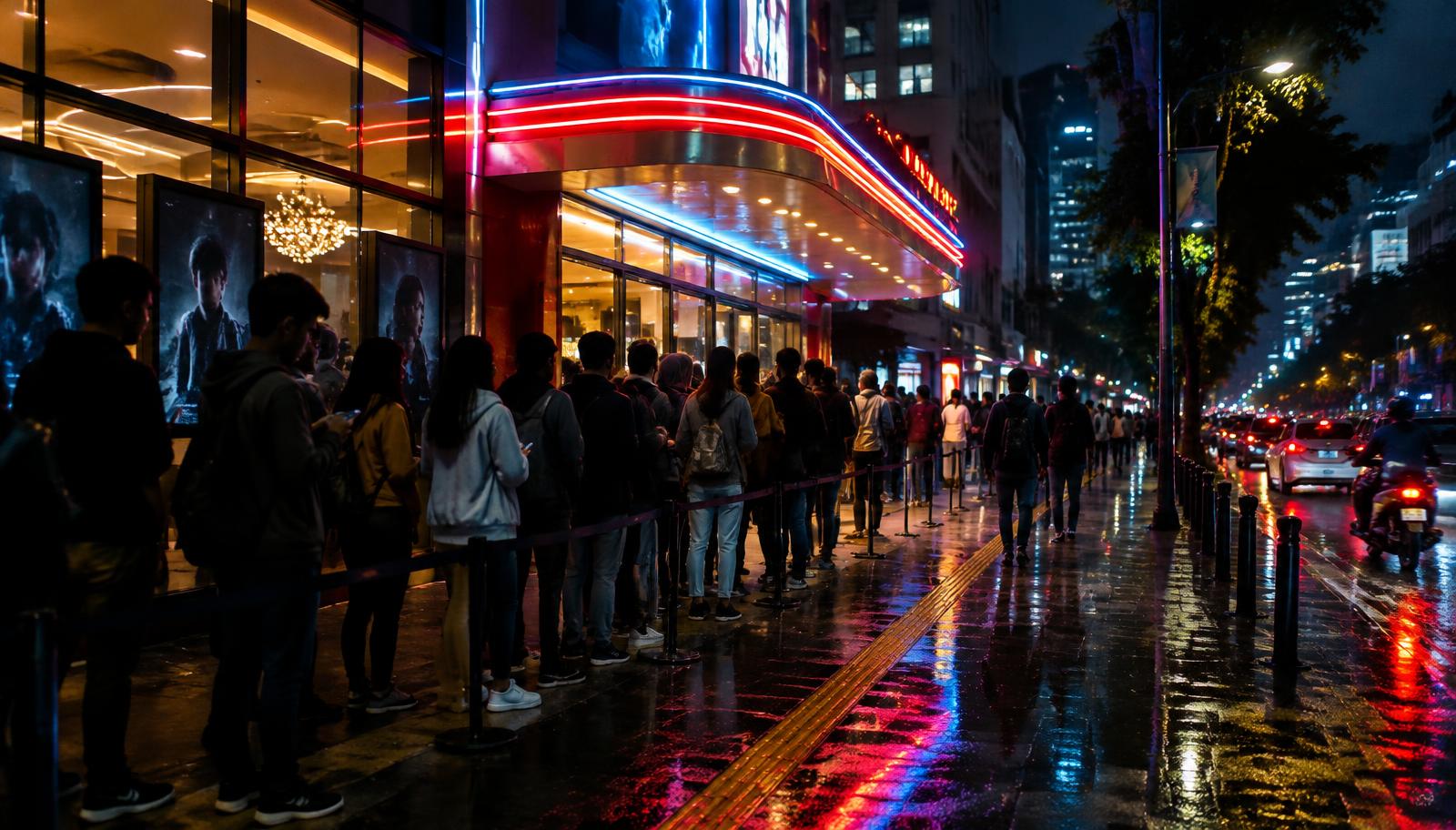
JAKARTA — On a wet Saturday night in South Jakarta, the queue outside a cinema stretches past the shopfronts. The crowd is young, phones out, and the film they are waiting for is not a Hollywood franchise but an Indonesian production. A decade ago that would have been unusual. Today it is increasingly routine.
Indonesia's film industry has grown into one of the most dynamic in Southeast Asia. Domestic titles have taken a rising share of ticket sales, helped by a rapid expansion of multiplex screens beyond Jakarta into secondary cities. Government agencies, including the Ministry of Tourism and Creative Economy, have promoted film as part of a wider push to grow creative industries, while the country's large, young population provides a deep audience base.
A tradition of combat on screen
Indonesian action cinema earned global attention years ago through films built around pencak silat, the country's traditional martial art. Those productions showed that tightly choreographed, physical fight sequences could travel internationally. Since then, local directors, stunt teams and fight choreographers have built a pool of expertise that streaming platforms and foreign producers now actively seek out.
Horror remains the dominant commercial genre, drawing on folklore and village legends familiar to Indonesian viewers. But action films have carved out their own space, often blending crime, family drama and spectacle in ways that feel distinctly local rather than imitative.
Streaming changes the economics
Global streaming services have become important buyers of Indonesian content, both for domestic subscribers and for regional audiences across Southeast Asia. That has raised budgets and production values, and it gives filmmakers a second life for titles after their theatrical run. It also creates pressure: platforms want reliable genres, which can crowd out riskier, more personal projects.
Industry observers note that the next challenge is infrastructure and talent. Post-production capacity, visual effects studios and training for crew are still concentrated in Jakarta. Expanding them would help regional filmmakers tell stories from Sumatra, Sulawesi or Papua without relocating to the capital.
Culture as soft power
For Indonesia, a thriving film sector is about more than entertainment. Films shape how the archipelago is seen abroad and how its diverse communities see themselves. The success of local cinema has also reassured investors that Indonesian audiences will pay for Indonesian stories when the quality is there.
Back in South Jakarta, the doors open and the queue moves inside. What happens on screen over the next few years will help decide whether this boom becomes a lasting industry or a passing wave.
Sources
Newsletter
Pacific Daily
A curated briefing from Thailand, Asia-Pacific and the world.