India's Tour Selection Exposes the Fragile Ledger of Workload Management
Conditional squad selections for New Zealand reveal how elite cricket prioritises specialist leverage over physical certainty
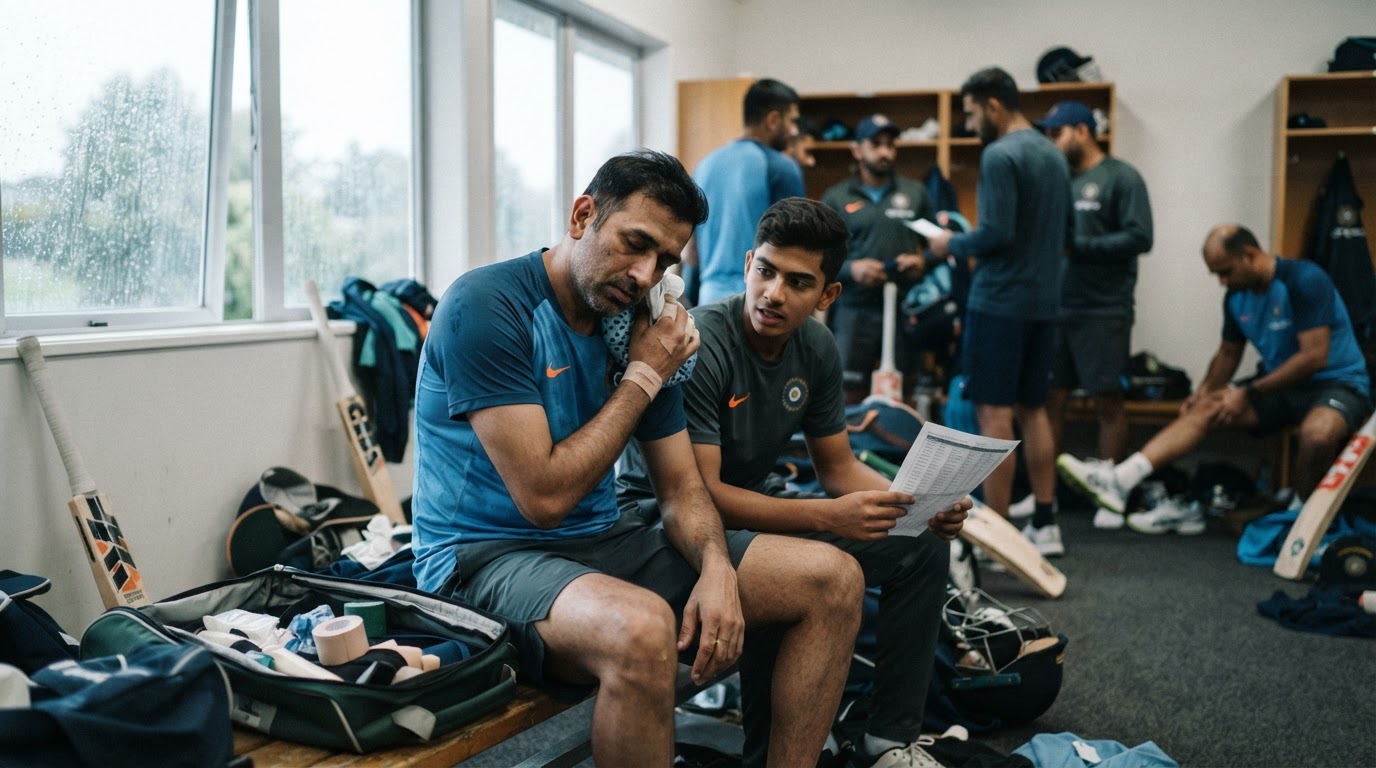
Selection sheets rarely operate as neutral audits of playing form; they map operational risk and institutional tolerance under compounding pressure. The touring squad confirmed on Friday for India's upcoming two-test series in New Zealand illustrates that dynamic with exceptional clarity. Pace spearhead Jasprit Bumrah has stepped back into the frontline attack, while wicketkeeper-batter Rishabh Pant secured his spot contingent on a pending fitness clearance. Pant had already been ruled out of the initial two India A tests against New Zealand, yet national selectors opted to hold a test roster position open for his potential return.
Shubman Gill leads the squad across conditions that historically penalise incomplete physical preparation. Retaining core personnel such as all-rounder Ravindra Jadeja and opener Yashasvi Jaiswal reflects an appetite for tactical continuity. Behind that continuity lies an acute calculation regarding the irreplaceable value of match-winning personnel. Elite red-ball cricket demands specialised execution that generalist bench depth cannot easily duplicate.
The Calculation of Conditional Inclusion
Modern international cricket enforces relentless physical turnover. Between prolonged domestic commitments like the Indian Premier League, where Pant featured for Lucknow Super Giants against Chennai Super Kings at MA Chidambaram Stadium in Chennai during May 2026, and continuous bilateral obligations, player preservation has become a high-stakes balance sheet. When administrators gamble on an incomplete recovery, they reveal how few acceptable substitutes exist at the absolute peak of the sport.
Pant represents an archetype whose dynamic output behind and in front of the stumps alters opposition field settings immediately. Excluding him outright would lower technical risk but diminish India's tactical ceiling in away test conditions. By naming him subject to medical evaluation, team leadership attempts to bridge the divide between medical prudence and match strategy.
Carrying conditionally cleared players shifts physical risk directly onto live test match operations.
Counterarguments naturally defend this approach by pointing to competitive necessity. Supporters contend that even an uncertain Pant or a carefully managed Bumrah provides psychological leverage that unproven replacements cannot deliver. Experienced players alter dressing room composure, particularly on demanding tours abroad. In high-pressure overseas tests, technical pedigree frequently justifies extraordinary administrative latitude.
Structural Strains in Away Campaigns
That rationale carries distinct structural vulnerabilities. A traveling contingent operating under conditional fitness clearances strains tour resources and muddies squad preparation. If Pant fails to secure authorization before the first fixture, tactical contingencies must be improvised on short notice. Such sudden adjustments dilute tactical cohesion and burden secondary keepers who lacked full preparation as designated starters.
Bowling rotations present similar management hurdles. Bumrah provides singular penetration, but managing elite fast bowlers across intense multiday contests demands strict workload rationing. New Zealand conditions amplify physical stress through cold air, heavy outfields, and protracted spells against disciplined top-order defenses. Every over bowled under physical constraint increases the likelihood of secondary breakdowns.
Gill faces an exacting leadership test under these conditions. The captain must balance the short-term requirement to win away matches against the institutional mandate to keep marquee assets intact across the broader international cycle. Relying on Jadeja and Jaiswal offers stability across middle overs and top-order foundations, but test victories ultimately hinge on sustaining pressure throughout five days of play.
What emerges from this selection is not administrative negligence, but structural capture by talent scarcity. Indian cricket possesses vast athletic depth, yet true difference-makers remain exceptionally rare assets. Until medical protocols decisively separate squad selection from wishful tactical thinking, traveling teams will continue to carry physical uncertainty into hostile overseas series.
Sources
Newsletter
Pacific Daily
A curated briefing from Thailand, Asia-Pacific and the world.