IMOCA Fleet Focuses on Speed, Not Broader Maritime Cooperation
While 17 IMOCAs gather in Lorient for speed runs, the immediate maritime focus remains on performance metrics, diverging from regional strategic integration.
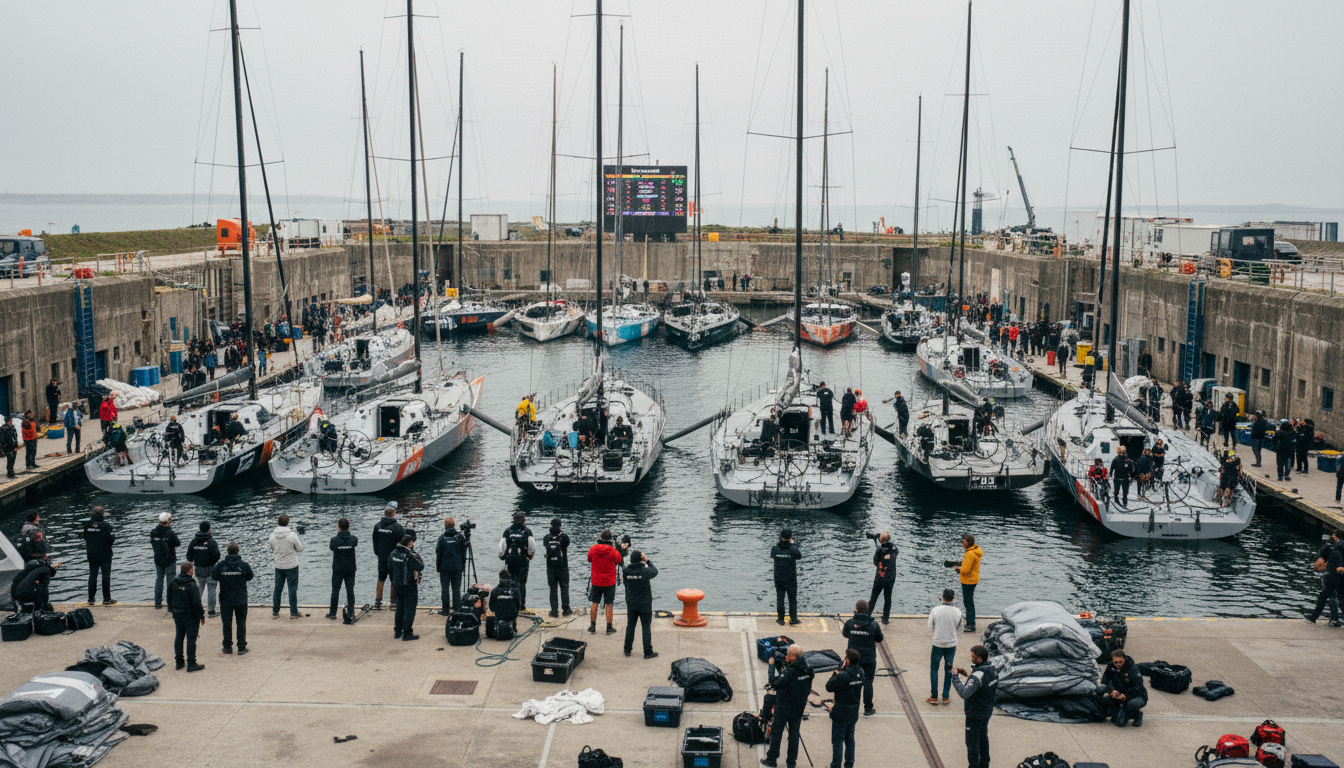
Seventeen IMOCA racing yachts are dockside at Lorient La Base in Brittany, poised for a series of speed runs tomorrow. This concentration of high-performance vessels, as reported by Sail World Asia on September 15, 2026, highlights a specific, competitive aspect of marine activity. The event centers on individual vessel performance and speed, a quantifiable and isolated metric.
From a regional perspective, particularly in the Asia-Pacific, this singular focus on speed trials contrasts with the broader, more complex maritime dynamics at play. The immediate implication for the Asia-Pacific is not directly related to these French speed runs, but rather to the continued emphasis on specialized, individual vessel performance in certain segments of the marine industry. The question arises whether such events, while demonstrating technical prowess, genuinely reflect the multifaceted operational realities or strategic needs of maritime nations in the Indo-Pacific region.
While the Lowy Institute, in October 2025, noted a 'Pacific Eyes' intelligence-sharing agreement, indicating a move towards more integrated maritime strategies, the IMOCA gathering underscores a different priority. The 'sharing' referenced in the source headline, 'A day dedicated to sharing,' appears to relate to the competitive exchange of performance data or technical insights among participants, rather than a broader cooperative framework. The Guardian and The New York Times, over several years, have also referenced 'sharing' in contexts ranging from car-sharing lanes to dedicated book-sharing services, emphasizing a structured, often utilitarian exchange [2, 3, 4, 5]. The IMOCA event’s 'sharing' aligns more with this functional, focused exchange, distinct from strategic inter-state cooperation.
The commercial implications are straightforward: sponsors and manufacturers benefit from performance demonstrations. However, for a region like the Asia-Pacific, where maritime security runs through its rivers, as highlighted by East Asia Forum in July 2026, and where policy documents often prioritize collaborative frameworks, the isolated pursuit of speed offers limited direct strategic value [6]. The absence of any mention of collaborative research, environmental initiatives, or strategic policy discussions associated with the IMOCA gathering suggests a disconnection from the region's pressing maritime governance challenges. These speed runs are demonstrations of specific technological capabilities, not exercises in regional integration.
The counterargument posits that advancing extreme vessel performance contributes to the overall technological base of the marine industry, with potential trickle-down benefits for other sectors, including commercial shipping or defense. This might include innovations in hull design, materials, or propulsion systems that could eventually find applications beyond competitive sailing. However, the direct evidence of such broader application stemming from these specific speed runs is not immediately apparent. The immediate benefit remains confined to the racing domain. The constraint that remains unresolved is how these focused, competitive events reconcile with the broader, urgent need for coordinated maritime policy and infrastructure development in the Asia-Pacific.
Sources
Newsletter
Pacific Daily
A curated briefing from Thailand, Asia-Pacific and the world.