Ilocos Norte Loyalty Underscores Enduring Regional Political Structures
The Marcos family's sustained dominance in Ilocos Norte, observed across generations, offers insight into the resilience of regional political power and its implications for broader democratic narratives in Southeast Asia.
SINGAPORE
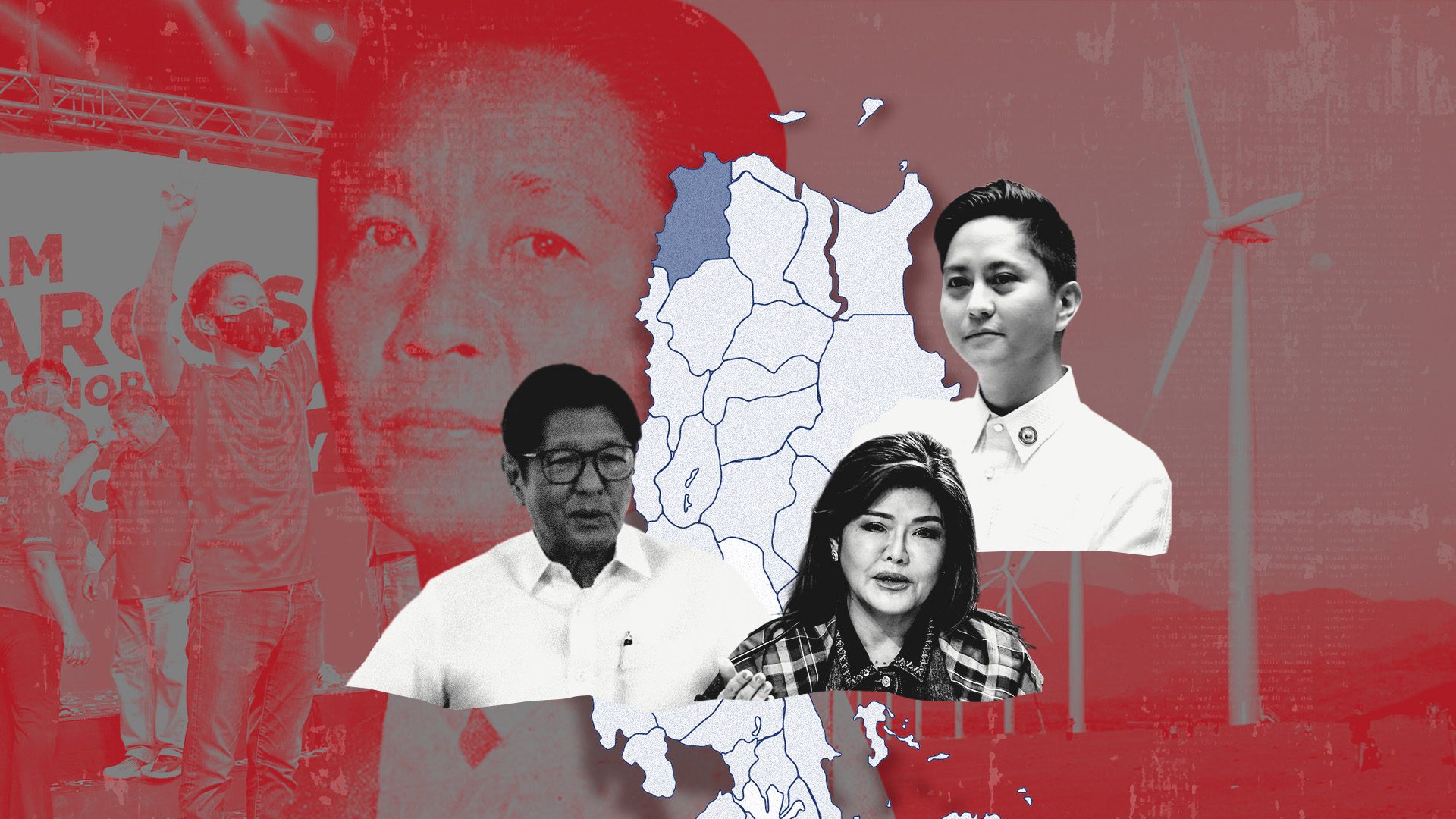
The consistent electoral outcomes in Ilocos Norte, where the Marcos family secured all major political positions in the 2025 elections, including governor, vice governor, and congressional seats, represent a continuity of established regional political power. This dominance has been a feature of the region since 1991. The sustained political control in Ilocos Norte, a Marcos stronghold, is attributed to a combination of a "loyalist mentality" and perceived local development, which appears to transcend historical human rights considerations associated with Ferdinand E. Marcos's dictatorship.
This pattern reflects a deeper regional phenomenon where political identity becomes intertwined with cultural identity, fostering enduring allegiance. The observed "loyalist mentality" among many Ilocanos, linking regional identity with political allegiance, illustrates a mechanism through which dynastic politics persist. While the Marcoses maintain significant influence, the emergence of minimal opposition, particularly from younger voters who question traditional loyalties, indicates an evolving internal dynamic within this long-standing structure.
The implications for regional stability and democratic development are salient. The endurance of such entrenched political power, rooted in cultural identity and local tangible benefits, presents a consistent challenge to nascent democratic reforms and accountability mechanisms. In states like Thailand, where historical patterns of regional political influence and strong personality cults have shaped national politics, the Ilocos Norte example resonates. It highlights how local populations may prioritize perceived immediate stability or cultural belonging over broader historical grievances or abstract democratic principles. This is not a unique phenomenon; rather, it is a recurring structural feature in parts of the Asia-Pacific where strong local patronage networks and identity politics predate and often withstand shifts in national governance.
The fundamental capability change here is not in the political landscape of Ilocos Norte itself, which demonstrates remarkable continuity, but in the region’s capacity to integrate historical accounting with contemporary political choices. The persistent electoral success, despite historical human rights legacies, indicates that the calculus for political support remains deeply localized and contingent on direct perceived benefits and cultural affiliation. The unresolved tension lies in how national democratic frameworks can effectively engage with, and potentially transform, these deep-seated regional loyalties without alienating significant portions of the electorate. The challenge is to reconcile the local political reality with national aspirations for a fully accountable and transparent governance system, a task that remains unaddressed in many parts of the region.
Sources
Newsletter
Pacific Daily
A curated briefing from Thailand, Asia-Pacific and the world.