Honolulu Gallery Footprints Expose the Commercial Constraints on Pacific Diaspora Art
Civic exhibitions claim regional unity, but physical square footage reveals how alternative cultural economies struggle to secure permanent space.
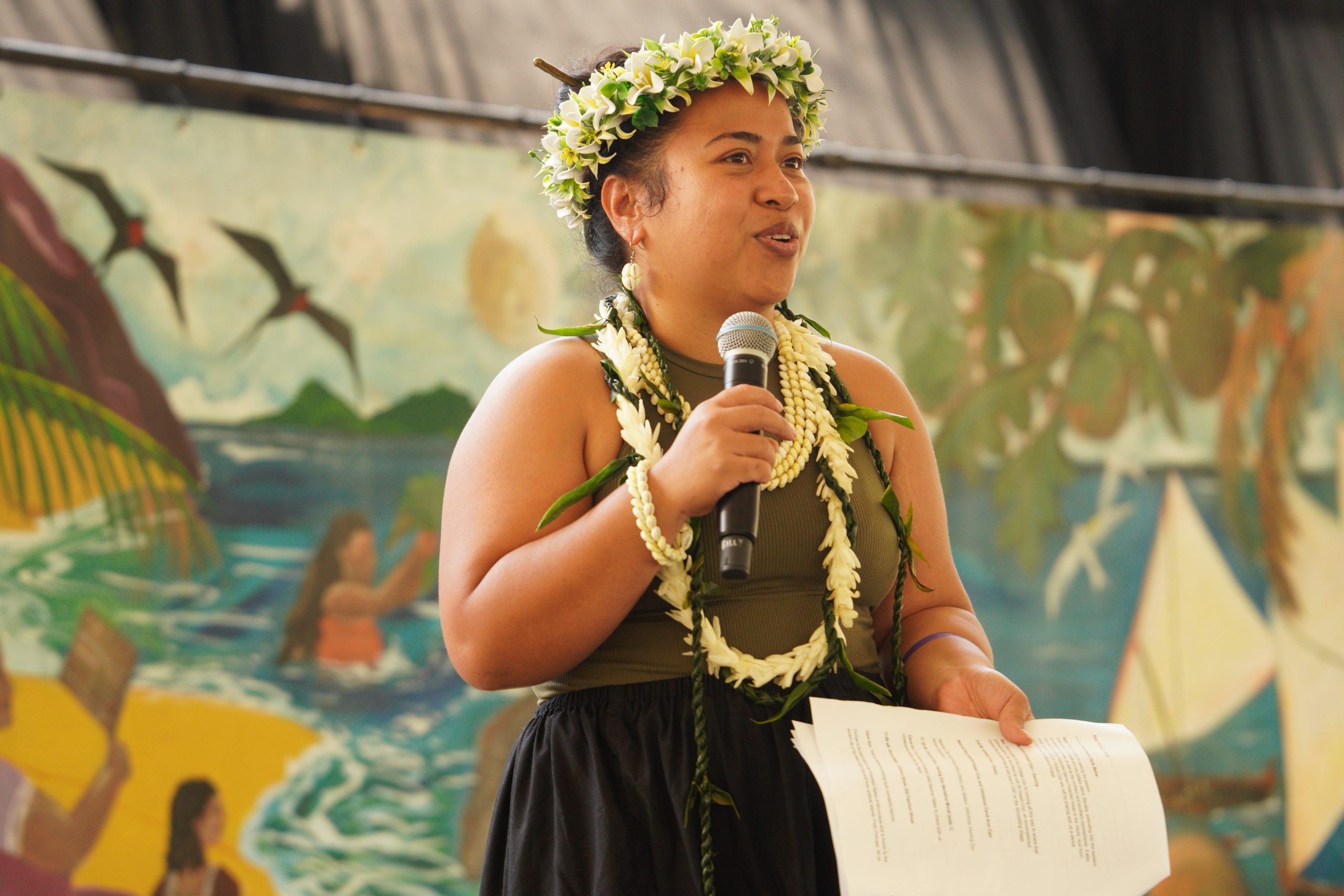
Cultural solidarity does not pay commercial ground rent. Across Pacific metropolitan centres, institutional programming routinely celebrates oceanic kinship while underlying land markets dictate who can afford to maintain a physical footprint. The structural tension between public visibility and commercial square footage defines contemporary Honolulu, where non-profit venues offer transient floor space to communities that urban real estate cycles systematically price out.
The real estate footprint of the Ocean of Peace exhibition illustrates this dynamic. The project convenes 11 artists presenting ancestral traditions and kinship across maritime geographies. Its distribution network relies on institutional venues, including the East West Center, the Downtown Art Center, and ARTS at Marks Garage. These locations provide temporary institutional access, but short-term programming rotations do not equate to stable spatial tenure. The underlying economics indicate that civic institutions capture cultural relevance while assuming zero long-term leasehold liability for the artists involved.
From an asset-management perspective, civic non-profits and downtown arts hubs use ephemeral cultural displays to satisfy municipal and donor expectations at negligible balance-sheet risk. The venues secure foot traffic and mission compliance without extending property equity. For diaspora populations, however, the financial overhead of maintaining independent production space across central commercial districts remains prohibitive. Cultural production is thus pushed into either temporary institutional patronage or digital self-subsidisation.
Capital Flows and Spatial Compromise
The career trajectory of participating practitioners reveals the financing mechanics required to navigate this landscape. Jeta, an arts columnist for Honolulu Civil Beat and director of the digital agency Dot Kine, entered the regional arts sector following an engineering career in Silicon Valley. Her background includes managing infrastructure technologies such as Kubernetes and Jenkins for enterprise artificial intelligence startups, alongside participating as the sole registered artist from Hawaiʻi at Burning Man in 2025.
That professional progression provides an analytical baseline for understanding how contemporary cultural work is financed. Physical production in high-cost Pacific centres increasingly demands external cross-subsidisation. Practitioners who retain active studio space typically lean on enterprise technology earnings, digital consulting contracts, or foreign capital infusions. When commercial rents rise across urban nodes, creators lacking enterprise software revenue or family land holdings are priced out of the physical market entirely. ARTS at Marks Garage and peer institutions can temper this exclusion by offering rotational gallery walls, but their own operations remain exposed to commercial master leases, property redevelopment, and volatile donor funding.
The Limit of Temporary Enclaves
A common market counterargument holds that spatial ownership is no longer the primary determinant of cultural viability. Proponents of digital workflows suggest that online distribution and temporary civic showcases diminish the necessity of securing high-cost physical parcels. Regional ties, under this view, operate fluidly across digital platforms without the capital burdens of commercial leases or down payments.
Temporary institutional exhibition space creates visibility without guaranteeing the land tenure required to anchor long-term diaspora communities.
That hypothesis conflates promotional circulation with economic stability. Temporary gallery occupancy yields no physical collateral, accumulates no equity, and provides zero structural insulation against rent escalation. When creators do not own or hold long-term master leases on the rooms they fill, property managers retain structural control over spatial allocation. A digital business can absorb rising metropolitan rents by migrating its servers, but physical diaspora communities require grounded square footage to maintain collective institutional power.
Exhibition schedules across Hawaiʻi will continue to assemble regional artists under banners of shared oceanic identity. What the underlying property data leaves unresolved is whether civic and philanthropic institutions will ever commit the capital required to convert transient floor plates into permanent community land trusts.
Sources
Newsletter
Pacific Daily
A curated briefing from Thailand, Asia-Pacific and the world.