Hong Kong Luxury Real Estate Absorbs Independent Hospitality Capital
Institutional hotel partnerships test whether boutique beverage operations retain distinct value when integrated into corporate properties along Victoria Harbour.
HONG KONG
Commercial independence offers hospitality enterprises creative discretion, while institutional property development provides the capital security that independent venues rarely command on their own. When corporate real estate absorbs specialised street-level operators, the financial mechanics governing metropolitan leisure begin to shift. The resulting balance alters how urban centres cultivate, price and retain culinary culture.
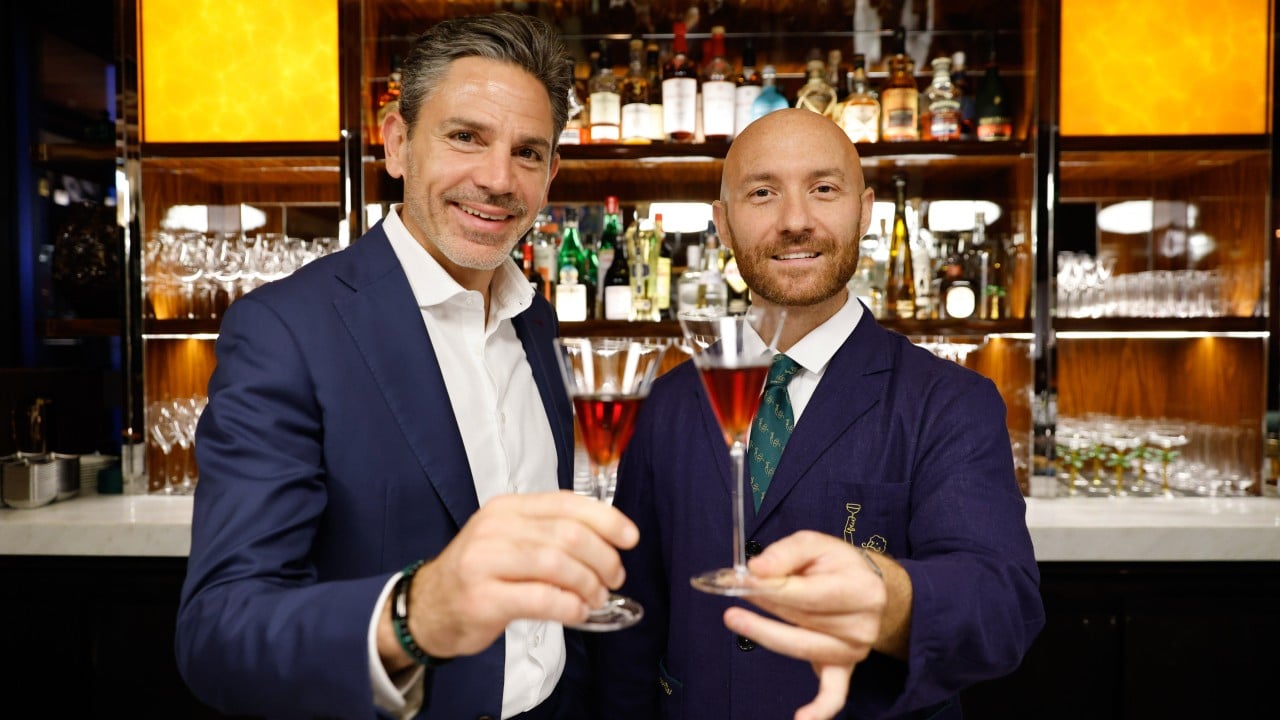
In Kowloon, this tension is visible along the waterfront. On November 25, Bar Camillo opens at Rosewood Hong Kong in Tsim Sha Tsui, taking over the space previously occupied by the speakeasy XX. The opening brings Lorenzo and the team behind Bar Leone into formal alignment with a major luxury hotel property. Having secured the No 1 position at The 50 Best Bars awards across consecutive years in 2025 and 2026, the operator brings verified international standing to the commercial property. The arrangement marks an evolution in how physical leisure assets capture value across the Asia-Pacific territory.
Institutional Property and Brand Absorption
For established hotel operators, incorporating an independent brand mitigates the operational risk inherent in building internal concepts from scratch. Properties facing Victoria Harbour compete internationally for foot traffic and food spend, leaning on external recognition to validate premium pricing. By housing Bar Camillo with its balcony overlooking Victoria Harbour, Rosewood Hong Kong acquires immediate cultural equity without the extended gestation period usually required to cultivate an authentic following.
Yet integration into institutional real estate introduces operational constraints for independent bar founders. Standalone neighbourhood operations rely on operational agility, tight overhead management and direct local loyalty. Hotel properties inevitably impose corporate compliance frameworks, centralised procurement schedules and institutional lease structures. While the hospitality operator secures prime infrastructure and insulation from retail leasing volatility, long-term commercial leverage shifts toward the physical property owner.
The Regional Consolidation of Urban Culture
Across Asia-Pacific metropolitan hubs, the transition of independent operators into premier mixed-use assets reflects a broader consolidation of consumer capital. Dense commercial districts frequently expose solo operators to punitive rental adjustments once international attention arrives. Institutional hospitality operators step into this environment, offering long-term stability in exchange for brand prestige. What appears on the surface as creative collaboration functions commercially as a recapitalisation of cultural intellectual property within corporate asset portfolios.
This pattern redistributes influence across the regional service economy. Institutional property owners gain an anchor that protects asset valuations and supports broader hospitality revenues. Conversely, early-stage independent operators face higher systemic hurdles as corporate-backed spaces raise baseline capital expectations across regional award circuits.
Whether an independent operator can sustain operational distinctiveness inside a corporate enclosure remains an open institutional challenge. Moving to the Kowloon waterfront provides unprecedented structural scale, but corporate property frameworks rarely replicate the organic conditions of an autonomous street-level venue.
Sources
Newsletter
Pacific Daily
A curated briefing from Thailand, Asia-Pacific and the world.