Himalayan Hydropower Faces Rising Insurance Costs Amid Climate Risks
Insurance premiums for Himalayan hydropower projects are increasing, driven by rising climate-related flood risks and recent glacier collapses, posing financial challenges to regional energy development.
SINGAPORE
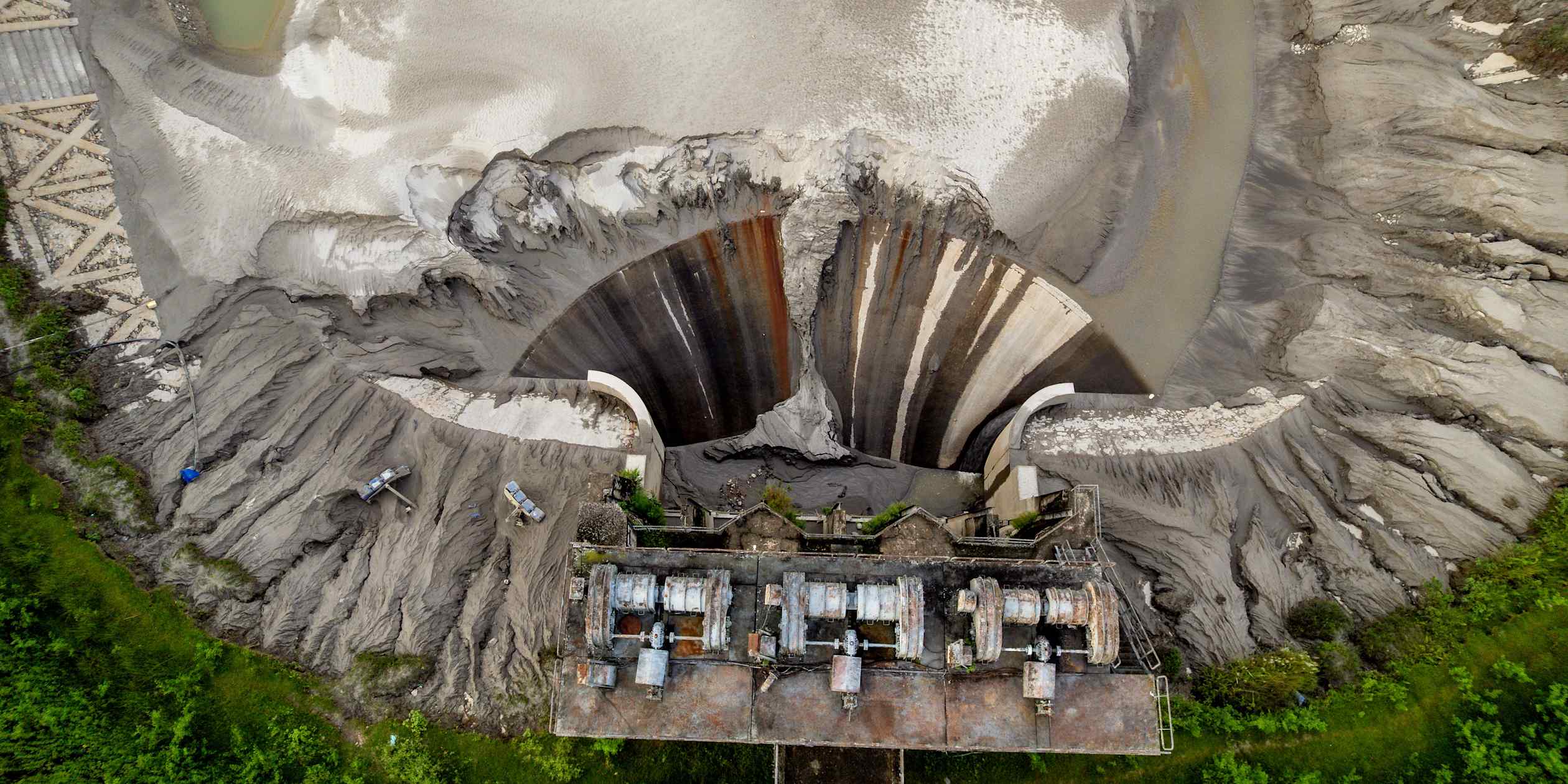
The hydropower boom across the Himalayas now confronts mounting insurance pressures. Recent reports indicate a significant rise in insurance premiums for these projects. This escalation in costs directly correlates with increased flood risks stemming from glacier collapses, a phenomenon highlighted by events in Nepal and China in late August 2026.
Financial data underpins this shift. Insurers, assessing the long-term viability and risk exposure of projects in the region, are recalibrating their pricing. The perceived risk of natural disasters, specifically glacial lake outburst floods (GLOFs) and other climate-induced hydrological events, has increased. Scientific reports from June 2023 predict Himalayan glaciers could lose up to 75% of their ice by 2100, indicating an escalating environmental challenge that directly impacts infrastructure investment.
This trend creates a direct economic constraint for countries pursuing hydropower as a primary energy source. For nations like Thailand, which increasingly relies on regional energy grids and cross-border power imports, instability in Himalayan hydropower development could lead to broader energy supply and pricing implications. While Thailand does not directly host Himalayan hydropower plants, its energy security is tied to the stability of regional energy projects that often involve international investment and power purchase agreements.
The rising insurance burden adds to the existing complexities of large-scale infrastructure development in a geologically active and climatically sensitive area. Project developers face the dual challenge of securing capital for construction and then managing ongoing operational costs, which now include higher risk-transfer expenses. This suggests that the cost of electricity generated from these projects may increase, or that projects themselves may become less financially attractive to investors and developers. The capital expenditure for new projects may also rise if insurers demand more robust — and therefore more expensive — protective measures against identified climate risks.
However, some stakeholders argue that while insurance costs are rising, hydropower remains a critical component of renewable energy strategies for several Himalayan nations. They assert that the long-term benefits of clean energy, coupled with improved disaster preparedness and engineering resilience, will mitigate these financial pressures. The increasing frequency of extreme weather events, however, suggests that this mitigation may prove insufficient against the scale of future climatic shifts. The core question remains whether the economic models for Himalayan hydropower, predicated on predictable risk profiles, can adapt to accelerated environmental change.
The viability of future Himalayan hydropower projects hinges on the ability to quantify and internalise these escalating environmental risks into sustainable financial frameworks. Absent this, development could slow, or the financial burden could ultimately transfer to consumers or state subsidies, raising questions about the true cost of regional energy expansion.
Sources
Newsletter
Pacific Daily
A curated briefing from Thailand, Asia-Pacific and the world.