Fraternity Life Under Scrutiny: A Transnational Reckoning for Campus Cultures
The suspension of fraternity activities at Cornell University after alleged gang rape cases signals a shift in accountability debates, with potential implications for institutions navigating similar challenges across Asia-Pacific.
SINGAPORE
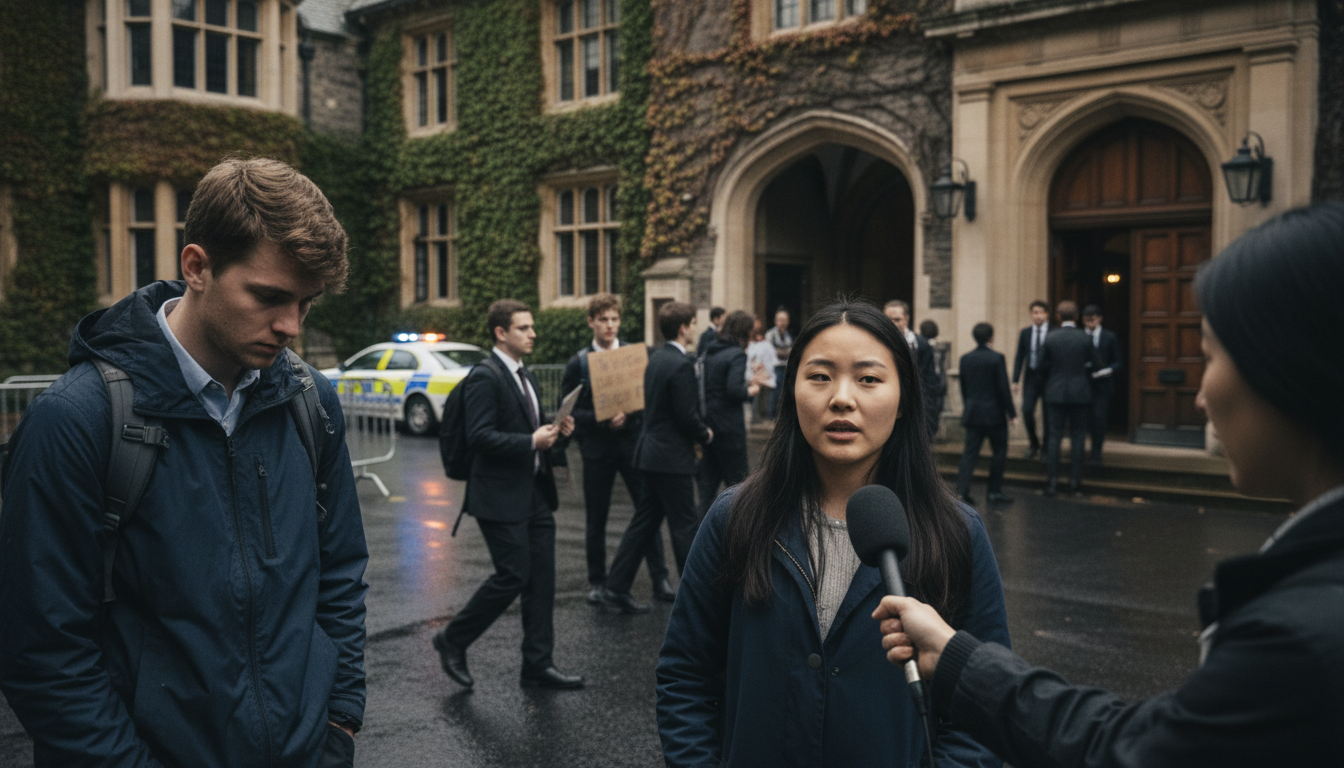
Cornell University suspended fraternity parties following alleged gang rape cases. This action, taken after protests demanded accountability and better protection for survivors, aims to facilitate a review of fraternity life. The university's decision, confirmed by Channel News Asia on 2026-10-13, highlights an institutional response to severe allegations on campus.
Such incidents, while originating in a specific cultural context like the United States, resonate beyond national borders. Campuses globally, including those in the Asia-Pacific, often grapple with power dynamics and social structures that can foster environments where such allegations arise. The focus on 'accountability and better protection for survivors' introduces a framework that educational institutions worldwide may increasingly face from their student bodies and the wider public.
The swift, albeit temporary, suspension of all frat parties after alleged sexual assault cases, as reported by Bloomberg.com and ABC News on 2026-10-13, marks a significant shift. Historically, institutional responses to such matters have often been perceived as reactive or insufficient. The immediate cessation of social activities linked to fraternities in Ithaca, New York, suggests a recognition that the structure of social life itself can contribute to, or be perceived as enabling, such alleged conduct. This institutional posture sets a precedent that could influence how universities in diverse settings respond to similar crises.
While Cornell University's actions address a specific problem in a specific location, the underlying questions about campus safety, institutional responsibility for student welfare, and mechanisms for addressing alleged sexual violence are universal. Many universities across Asia-Pacific regions, from China to other parts of the United States with student populations that include individuals from Asia, maintain distinct residential and social systems. These systems, whether formal or informal, can also create or perpetuate dynamics that require examination. The challenge for these institutions is to learn from precedents such as Cornell's without simply transplanting solutions, understanding that local cultural norms and legal frameworks require tailored approaches to student safety and justice.
However, a complete suspension, while demonstrating resolve, also presents a limitation: it does not fundamentally alter the underlying cultural issues that may contribute to such alleged incidents. The review of fraternity life promised by the university is the critical next step. Without a deeper, systemic examination and sustained effort to change campus culture, suspensions may offer a temporary reprieve rather than a lasting resolution. The long-term efficacy of Cornell’s approach will depend on the depth of this review and the subsequent structural changes implemented to address the roots of the problem, rather than just its immediate symptoms. The situation remains an unresolved tension between decisive action and systemic reform.
Sources
Newsletter
Pacific Daily
A curated briefing from Thailand, Asia-Pacific and the world.