Fiji's Security Shift: A Regional Precedent?
The proposed integration of defense capabilities into law enforcement raises questions about genuine threats and strategic interests across the Pacific.
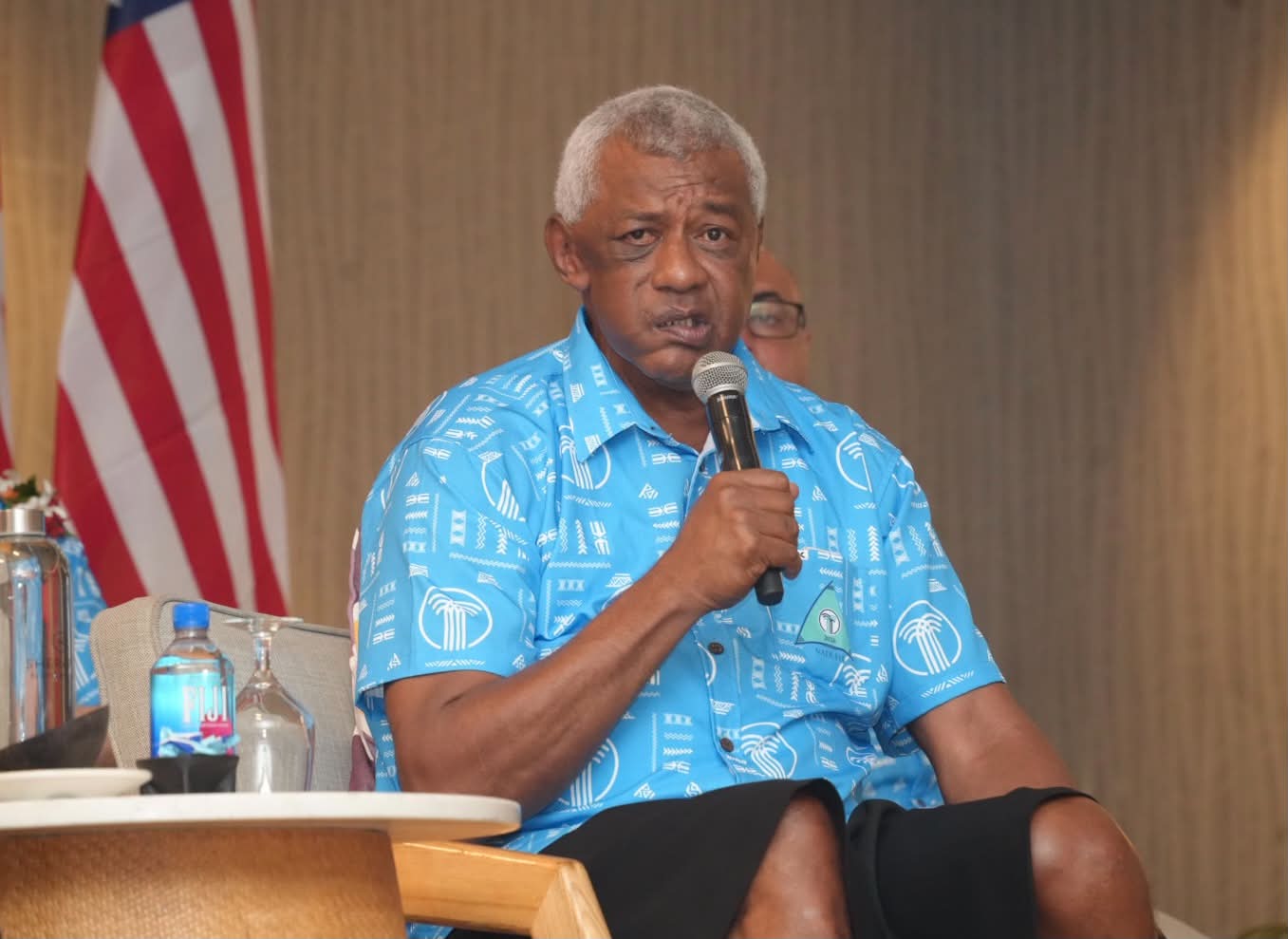
Fiji is advocating for the expanded use of defense capabilities to support law enforcement agencies in combating transnational organised crime. This development, reported on 2026-09-22, presents a tension between the immediate need for security and the potential long-term implications of militarizing domestic policing functions.
While the specific nature of the 'transnational organised crime' prompting this push is not detailed, the proposal suggests a perceived escalation in threats that conventional law enforcement is reportedly struggling to manage. The move by Fiji represents a notable shift. Typically, defense forces are reserved for external threats or severe internal instability beyond police capacity. Integrating them into routine law enforcement suggests either an acute security crisis or a redefinition of roles that could set a precedent for other Pacific nations.
Such integration carries inherent risks. Military forces are trained for combat and territorial defense, not civilian policing. Their operational methods, rules of engagement, and accountability structures differ fundamentally from those of civil police. In other contexts, calls for increased military involvement in domestic security, such as the push for state police amid insecurity reported in Nigeria on 2026-06-11, often emerge from a perceived failure of existing civilian structures. This parallels the argument made by Fiji for military deployment against crime.
The critical question for the Asia-Pacific region is whether the perceived scarcity of law enforcement capacity in Fiji is real, or if this initiative serves broader strategic interests. Without specific data on crime rates, enforcement failures, or the precise nature of the ‘organised crime’ being addressed, it is difficult to assess the necessity of this policy shift. An alternative interpretation suggests that this move might strengthen the state's internal control mechanisms or align with external security partnerships. The cooperation between Australia and China to dismantle an illegal tobacco smuggling syndicate, reported on 2026-08-19, demonstrates that international cooperation through existing law enforcement channels can be effective without involving defense forces in domestic policing. Fiji's approach, therefore, diverges from a purely civilian-led international response.
The limitation of this analysis is the absence of specific financial data or internal assessments from Fiji detailing the exact nature and scale of the criminal threats, or the specific deficiencies in current law enforcement capabilities. Without this, the policy's rationale remains largely attributed to the government's claim of rising transnational crime. The implications for Thailand and other Asia-Pacific nations could be significant. If Fiji's initiative proves effective, it might be cited as a model for addressing similar challenges, potentially blurring the lines between military and police roles in domestic security across the region. Conversely, if it leads to unintended consequences, it could serve as a cautionary tale. The unresolved tension lies in balancing the immediate need for security with the long-term democratic implications of deploying defense assets in civilian policing roles.
Sources
Newsletter
Pacific Daily
A curated briefing from Thailand, Asia-Pacific and the world.