Extended Heat Along Japan's Industrial Spine Forces an Unscheduled Recalibration
Record late-October heat in Tokyo and Osaka tests operational assumptions across metropolitan power networks and manufacturing logistics.
SINGAPORE
Municipal temperature gauges in Tokyo and Osaka climbed above 30°C on Wednesday, October 21, 2026. Japan Meteorological Agency data classifies that reading as the formal threshold of a midsummer day. Reaching that benchmark so late in October represents the latest date on record that either metropolitan centre has ever experienced such heat.
Warm, humid air pushed northward from the south across the Pacific coast, generating unseasonal thermal pressure across the country's primary economic corridor. Historical weather baselines reaching back to 1875 and 1883 demonstrate the unusual nature of this late-autumn warmth. Crossing the 30°C threshold deep into October indicates that operational summer conditions now intrude directly into the fourth fiscal quarter.
Industrial Baselines Under Pressure
Corporate planning across Japan relies on seasonal cooling cycles tapering off predictably by late September. Factory complexes, cold-chain distribution networks and commercial real estate calibrate power procurement contracts and machinery overhauls against that timetable. When ambient heat lingers into late October, the financial assumptions governing power management shift abruptly.
Cooling loads do not simply remain elevated during an unseasonal afternoon; they collide with prearranged maintenance windows across utility networks. Electric power companies routinely schedule equipment downtime during autumn shoulder months when aggregate consumption normally ebbs. Unanticipated 30°C afternoons force grid operators to balance ongoing air-conditioning demand against generation capacity already offline for maintenance.
The operational summer calendar now intrudes directly into the fourth fiscal quarter.
Atmospheric volatility along the Pacific coast has repeatedly disrupted metropolitan stability throughout the year. Japan Wire reported meteorological agency warnings over intense rain across Tokyo and 12 surrounding areas in September, shortly before Typhoon Dujuan struck Tokyo and neighbouring prefectures, causing four deaths. Spring conditions foreshadowed this instability, with The Japan Times noting that the cherry blossom season was set to begin up to a week earlier than normal.
Skeptics may counter that an isolated temperature spike driven by southerly Pacific airflow represents a brief meteorological anomaly rather than a systemic balance-sheet risk. A solitary warm Wednesday afternoon does not overturn long-term capital expenditure plans. Corporate resource allocation requires sustained structural trends rather than episodic deviations from statistical baselines.
The Lingering Infrastructure Friction
Yet corporate executives cannot dismiss repeated boundary expansions as mere statistical noise. Simultaneous temperature spikes in Tokyo and Osaka compound regional stress because both metropolitan nodes anchor complementary segments of the national economy. Osaka concentrates key manufacturing lines and industrial processing facilities, while Tokyo governs administrative management and commercial distribution.
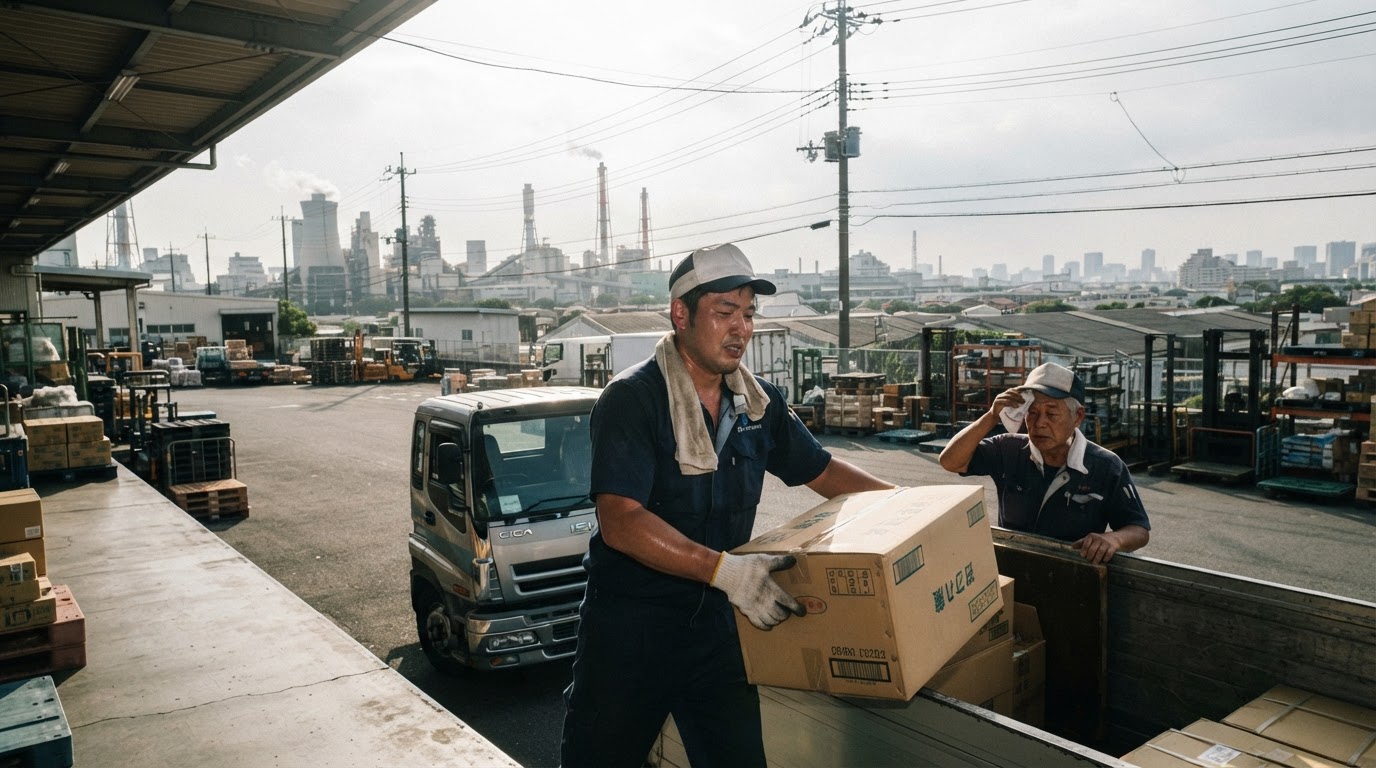
Parallel thermal strain across both urban centres exposes supply chains designed around tight operating tolerances. Commercial margins narrow as cooling requirements persist, while regional transport operators expend additional power to preserve temperature-sensitive cargo. Logistics terminals managing overland distribution must operate climate-controlled warehousing longer into the autumn, consuming utility budgets originally reserved for winter operations.
Public consumption patterns register a parallel strain. Pedestrians navigating commercial hubs such as Shibuya experience lingering humidity that discourages autumn retail activity. Department stores and apparel retailers stocking autumn inventories face delayed customer interest when outdoor conditions reward lightweight attire rather than heavier seasonal garments.
Resolving this structural friction depends on how rapidly Japanese enterprises update operating models engineered around fixed seasonal calendars. Power purchasing agreements, industrial maintenance schedules and freight logistics still reflect historical assumptions. Unless commercial planners adapt their baseline models to accommodate extended thermal seasons, recurring atmospheric disruptions will continue to impose unpredictable operational costs along the Pacific industrial belt.
Sources
Newsletter
Pacific Daily
A curated briefing from Thailand, Asia-Pacific and the world.