Sovereignty Above the Canopy
Jakarta shifts the diplomatic burden of transboundary haze onto foreign critics as regional air quality deteriorates
SINGAPORE
Atmospheric currents across Southeast Asia move without regard for national frontiers, yet environmental accountability remains rigidly tied to domestic boundaries. When toxic haze surged to dangerous levels in 2026 across Indonesia, Malaysia, Singapore and Timor-Leste, the regional fallout followed an established pattern of diplomatic frustration and emergency appeals. ASEAN called a meeting over the crisis as smoke enveloped population centres and disrupted daily civilian life. Rather than framing the emergency around regional containment or collective monitoring, Jakarta pivoted swiftly to defend sovereign dignity against foreign rebukes.
On Wednesday, Oct 21, President Prabowo spoke out against external critics, explicitly chastising countries that he claimed insult the country over wildfires that have razed extensive areas. The response altered the standard diplomatic posture surrounding transboundary haze. Land clearance practices have generated seasonal smoke across rural territories for years, but recent official rhetoric transformed an ecological breakdown into an issue of external interference and national pride.
"As for certain countries that like to insult the Indonesian nation, when the time comes, we will reveal the companies involved"
Shifting the Burden of Proof
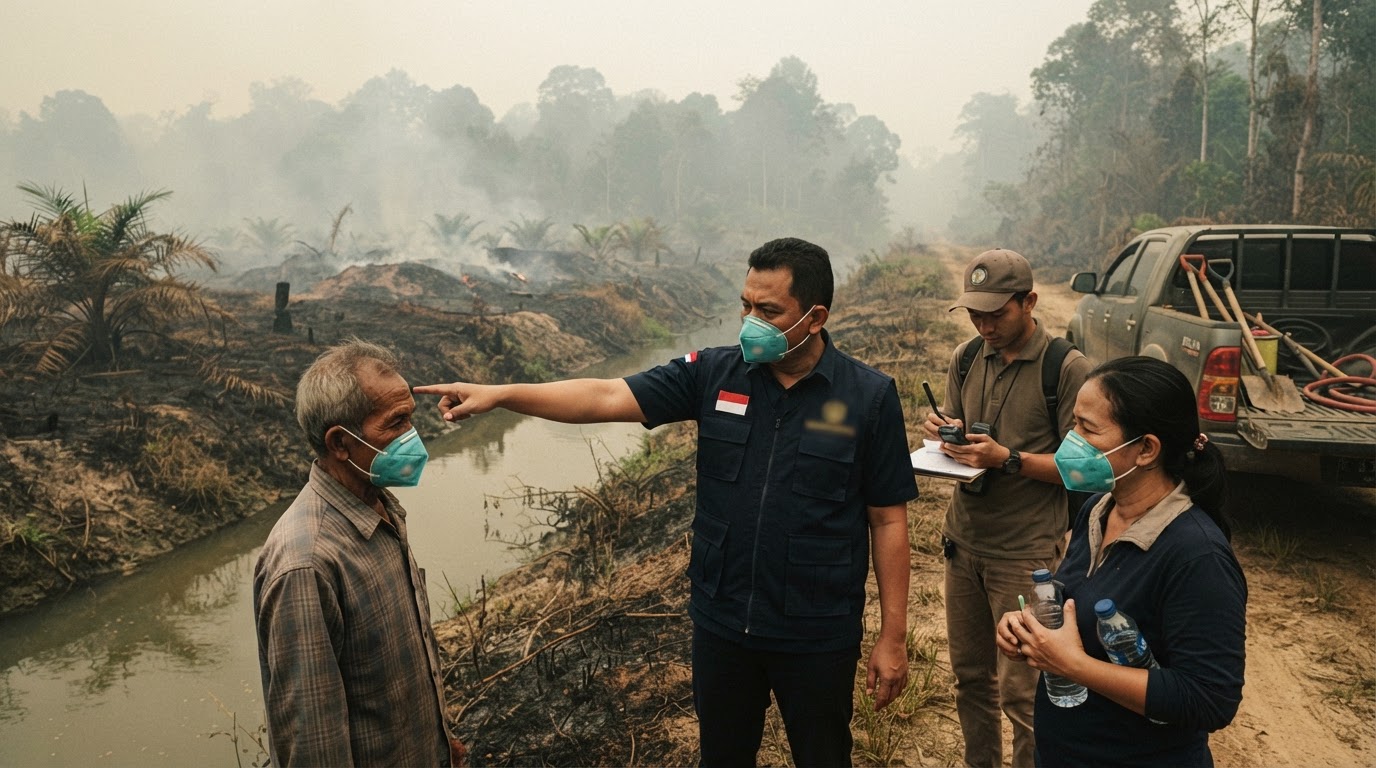
Prabowo's explicit counter-threat introduced a calculated distraction into the diplomatic dialogue. By promising to expose corporate culpability at an undetermined future date, the presidency shifted attention toward commercial entities operating within the landscape. Fires have burned persistently for months, monitored by Nusantara Atlas, which tracked severe outbreaks across Central Kalimantan through Oct 14, 2026. People wearing protective masks on municipal streets illustrated an immediate public health emergency, even as political communication prioritised national honour over regional remediation.
The rhetoric exploits a familiar structural reality within the regional resource economy. Commercial concession systems across Southeast Asian territories often depend on intricate commercial structures where operating entities, cross-border financing and international supply chains intersect. Accusing unnamed foreign interests allows Jakarta to maintain that external consumption and offshore capital drive the clearing of land. Holding back company names turns environmental compliance into a sovereign bargaining chip rather than an open regulatory procedure, leaving civic observers without verifiable corporate data.
Affected neighbours face an enduring governance deficit under current institutional arrangements. Singapore and Malaysia regularly endure prolonged spikes in particulate pollution, absorbing significant economic interruptions and healthcare burdens without having direct oversight over burning concessions across the sea. Timor-Leste experienced a similar spread of dangerous air quality during this crisis, demonstrating that the environmental footprint expands far beyond traditional maritime channels. Despite coordinated discussions under ASEAN, the institutional architecture lacks binding instruments to penalise errant landholders or mandate immediate field intervention.
The Limits of Regional Consensus
Diplomatic protocol among Southeast Asian states has historically privileged non-interference over collective enforcement. This reliance on consensus means that member states cannot easily impose penalties on upstream polluters, leaving civilian populations exposed to recurring atmospheric hazards. Jakarta's warning about corporate disclosures also exposes a deeper regional paradox. Downwind financial centres raise alarms over severe haze, while private capital within those same jurisdictions frequently underwrites the corporate enterprises engaged in large-scale land clearing.
Meeting Jakarta's sovereign stance with heightened external criticism rarely yields cooperative operational results. Political leadership in Indonesia responds to domestic constituencies that view foreign environmental criticism as an infraction against national sovereignty. Hardening regional rhetoric risks discouraging collaborative monitoring, yet overlooking official deflection guarantees that neighbouring societies continue absorbing the medical, logistical and economic damages of seasonal fires. Until regional mechanisms connect cross-border financial accountability directly to local land management, the structural tension between shared atmospheric vulnerabilities and rigid territorial sovereignty remains unresolved.
Sources
Newsletter
Pacific Daily
A curated briefing from Thailand, Asia-Pacific and the world.