European Winds and Asia's Maritime Reality
Weather disruptions in Portorož highlight global climate patterns, not isolated incidents, necessitating regional strategic consideration for Southeast Asia's vulnerable coastlines.
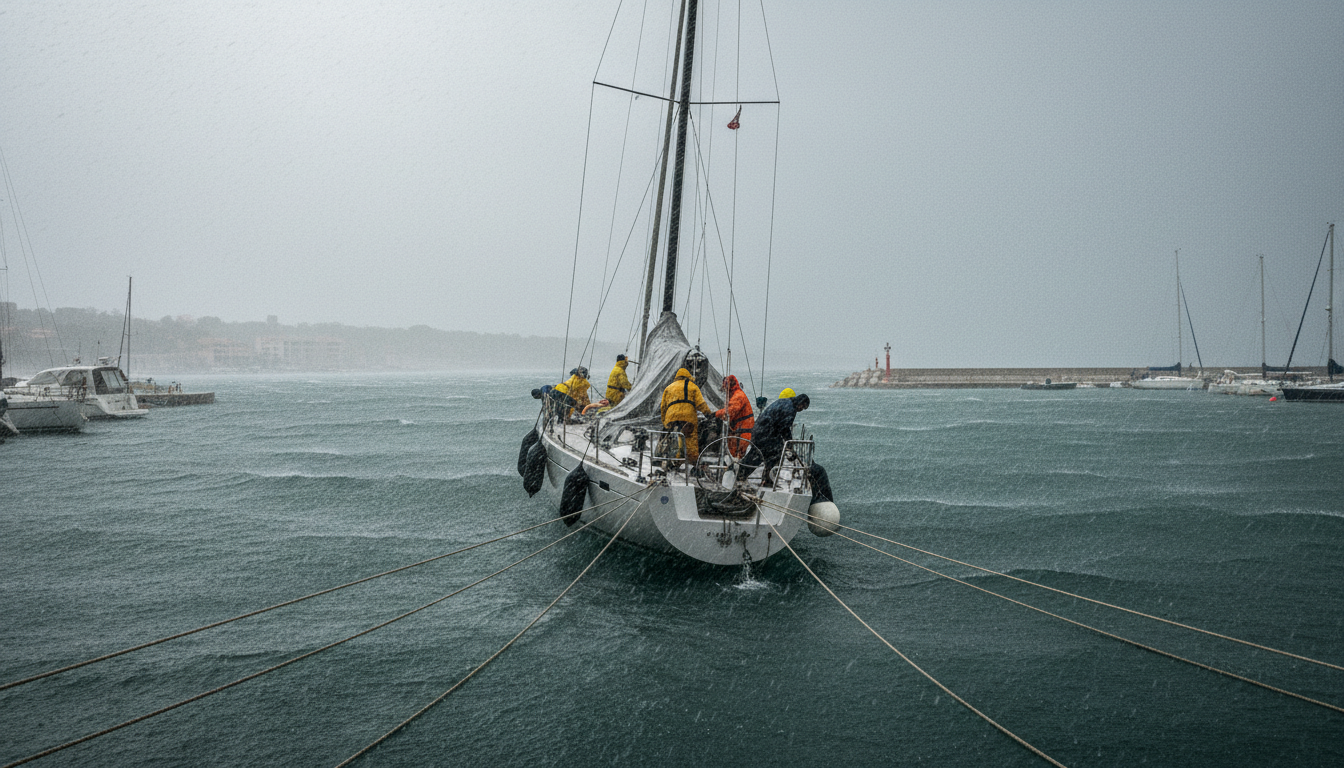
The 470 Open European Trophy & Master's Cup 2026 in Portorož experienced heavy rain, unstable winds, and two thunderstorms on its third day, as reported by Sail World Asia. While a yachting competition's weather conditions might appear localized, the pattern of severe, unstable atmospheric events in one region can reflect broader climate shifts that carry significant implications for distant coastlines, particularly in the Asia-Pacific.
Events such as the Europa League finals (Aston Villa in 2026), Champions Cup finals (Bordeaux in 2026), and the European Masters (Aberg in 2023) regularly occur, establishing a known calendar for European sports. These events, often held annually, depend on predictable weather conditions for their execution. The disruption in Portorož suggests a variability that can undermine such predictability, and this variability is not confined to European seas.
For regions like Thailand and the broader Asia-Pacific, where large populations and critical infrastructure are coastal, such meteorological instability presents a persistent challenge. The primary concern is not the immediate impact on sporting events, but the long-term economic and social costs of altered weather patterns. The question then becomes which coastline bears the burden of policies, or the lack thereof, formulated far from its immediate concerns.
The challenge is that while European sporting events can endure temporary weather disruptions, the sustained livelihoods of fishing communities, the stability of coastal tourism, and the integrity of port operations in Southeast Asia are directly vulnerable to intensified and unpredictable storms. The reliance on established seasonal patterns for agriculture and fisheries, for example, is directly undermined by such changes. Attributing these localized disruptions in Europe solely to regional anomalies overlooks the potential for interconnected climate dynamics.
Conversely, some might argue that these are isolated weather phenomena, not indicative of a global trend relevant to Asian shores. They might point to the fact that extreme weather has always occurred. However, the increasing frequency and intensity reported globally demand a re-evaluation of such claims. The precise mechanisms linking a storm in the European region of Portorož to a typhoon in the South China Sea are complex, yet the underlying climate drivers are shared.
Ultimately, the conditions experienced at Portorož serve as a reminder that atmospheric volatility, wherever it manifests, necessitates a regional strategic response. For Thailand and its neighbors, securing its coastlines and adapting its maritime industries to a less predictable climate remains an unresolved constraint.
Sources
Newsletter
Pacific Daily
A curated briefing from Thailand, Asia-Pacific and the world.