European Offshore Race Offers Limited Regional Impact for Asia-Pacific Yachting
The confirmed return of the Rolex Fastnet Race to Normandy signals a significant event for international offshore racing, yet its direct implications for the yachting sector in Thailand and the wider Asia-Pacific remain marginal.
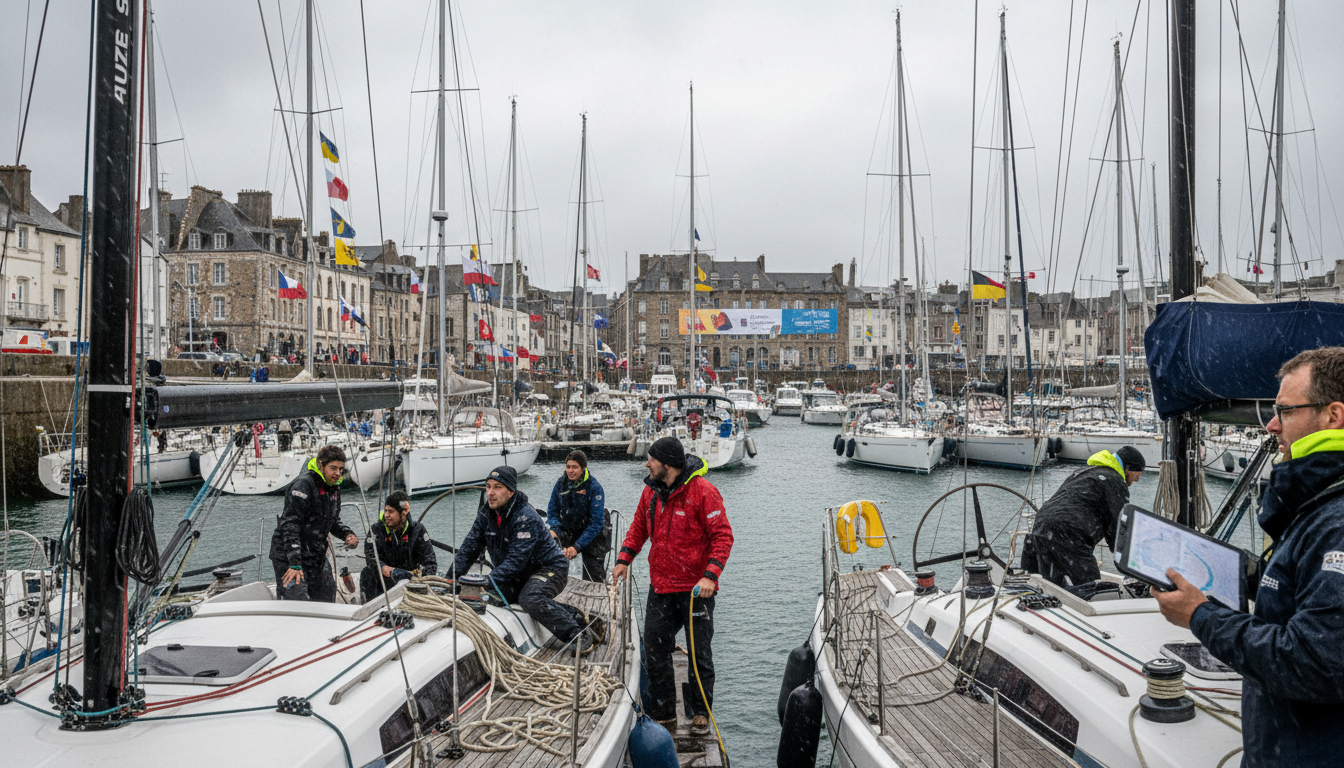
The announcement that the Rolex Fastnet Race will return to Normandy in 2027 marks a notable development for global offshore sailing. Organizers have confirmed its staging, building on previous centenary celebrations. This positions the Normandy region to host what is described as the world's largest offshore sailing event.
However, for the Asia-Pacific region, the direct impact is limited. The race's location in northern Europe means that economic activity, logistical demands, and participant engagement will primarily concentrate there. While the event holds international recognition, its geographic distance precludes a substantial flow of benefits into Asian yachting markets or associated marine industries.
The demanding nature of the race is also a factor. Reports from the 2023 Rolex Fastnet Race describe yachts retiring due to "brutal" conditions, with video evidence detailing yacht rescues. These conditions, which test seamanship, highlight operational challenges specific to the race's locale. These factors are not directly transferable to the growth models or infrastructure requirements of the Asia-Pacific, where many developing yachting sectors operate under different geographical and meteorological conditions.
Local stakeholders in Normandy anticipate the event will allow the region to "take the international offshore racing world by storm." This suggests a projected economic and prestige benefit for the host area. For Thailand and other Asia-Pacific nations, engagement with such high-profile European events typically involves individual competitors or specialized teams, rather than driving broad industry development. The cost and logistical barriers for participation from distant regions are considerable.
Regional development in Asia-Pacific shows a distinct focus on building internal capacity. The UNESCO World Heritage Centre has issued a call for applications for Asia Pacific Regional Capacity Building on Management for World Heritage Sites, indicating a regional emphasis on heritage preservation and skill development. Concurrently, the United Nations is working to build and strengthen cooperatives across the Pacific through education, training, and regional cooperation, including efforts to shape climate education. These regional efforts prioritize localized development and infrastructure, a strategy that contrasts with the Europe-centric focus of events such as the Rolex Fastnet Race.
While the prestige of a global event is clear, its practical value for distant regions typically requires direct engagement or strategic alignment. The present arrangement offers neither. The economic benefits, prestige, and logistical demands of the Rolex Fastnet Race are expected to accrue predominantly to its European host, leaving the Asia-Pacific yachting market largely unaffected by its return.
Sources
Newsletter
Pacific Daily
A curated briefing from Thailand, Asia-Pacific and the world.