Empty Shrines and Pet Kimonos Expose East Asia's Ritual Deficit
As Japan adapts children's rites for companion animals, civic traditions built around generational renewal confront an ageing demographic architecture
SINGAPORE
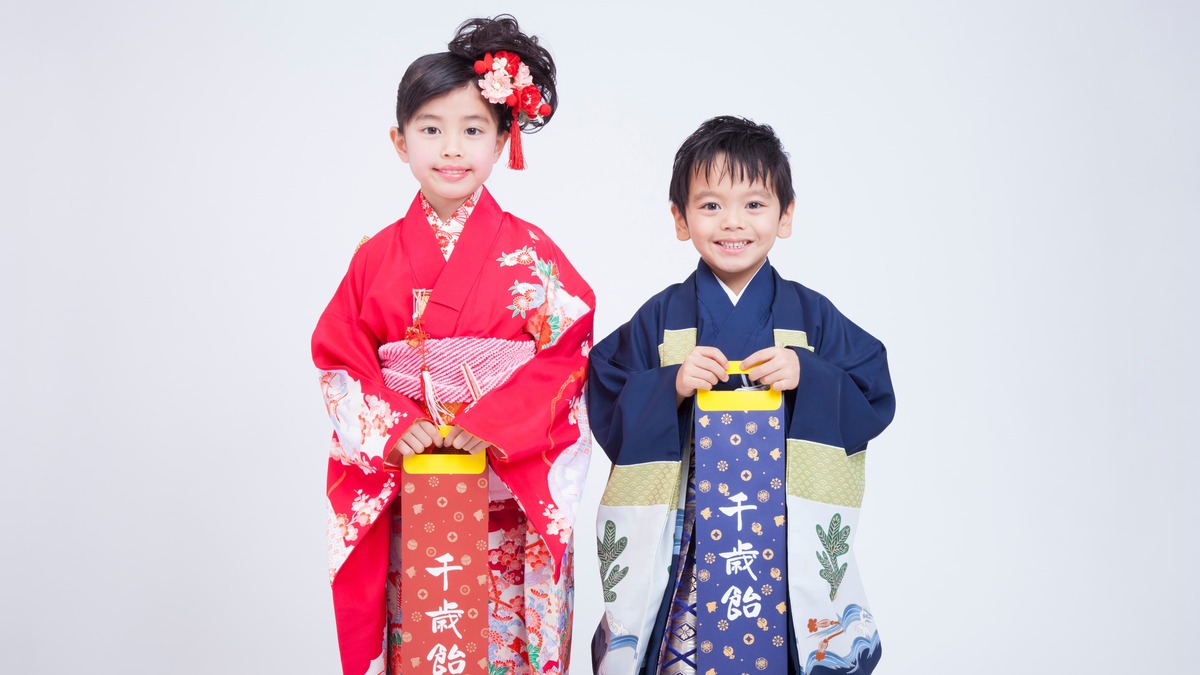
Civic ritual across East Asia was designed to mark generational succession, yet the communal architecture sustaining those ceremonies now confronts a society running short of children. Every November, families across Japan visit shrines and temples to celebrate Shichi-Go-San, the traditional seven-five-three festival dedicated to expressing gratitude for the survival and growth of children reaching the ages of three, five, and seven. The rite has long functioned as a public prayer for healthy development. Today, shrines increasingly welcome dogs and family pets dressed in custom kimonos, offering sacred blessings to domestic animals rather than human infants.
This adaptation illustrates a structural tension within regional heritage. Cultural institutions built on the expectation of continuous human renewal must either adjust their ceremonies or watch their historic sanctuaries empty. When rites that once consecrated three-year-old boys and girls, five-year-old boys, and seven-year-old girls are repurposed for domestic pets, the change reveals much more than eccentric consumer behavior. It signals the quiet renegotiation of social continuity across post-industrial Asia.
The Architecture of Succession
For generations, the observance of Shichi-Go-San concentrated on biological milestones that once carried substantial childhood vulnerability. Families gathered on November 15, or throughout the surrounding weekends, dressing children in formal attire and presenting them before local deities. The celebration was never merely private domestic theater. It operated as an institutional mechanism linking household lineages to communal shrines, affirming that neighborhood networks would endure into another cycle.
That ceremonial foundation has fractured under demographic pressures. Across municipal wards and rural prefectures, the scarcity of infants has driven community organizations to seek new participants. Shrines that depend on seasonal ceremonial traffic cannot sustain their maintenance budgets or administrative presence solely on traditional family footfall. Adapting festival rites to bless companion animals allows these religious venues to maintain daily relevance and secure operating revenue. Yet substitution carries institutional consequences. Sacred spaces historically organized around human lineage become lifestyle services for solitary pet owners, masking the loss of social replacement.
The reinvention of childhood rites preserves temple revenues while highlighting the demographic deficit it seeks to accommodate.
Defenders of this ceremonial evolution maintain that cultural customs survive only through pragmatic reinvention. From this perspective, offering blessings to companion animals reflects genuine pastoral responsiveness, granting emotional solace to households that lack children while keeping ancient shrine precincts active. Excluding non-traditional families and companion animals, proponents argue, would simply hasten the irrelevance of centuries-old sanctuaries. Shrines must serve the households that actually inhabit surrounding neighborhoods today, not the idealized multi-generational clans of municipal memory.
Regional Repercussions
That defense addresses immediate institutional survival while ignoring the broader demographic imbalance across maritime Asia. Parallel pressures shadow neighboring societies, where plunging birth rates reshape commercial streets, primary school networks, and municipal budgets. The commercial retreat into symbolic alternatives, where photography studios and shrine precincts cater to household pets rather than young families, illustrates how consumer industries compensate for absent youth without repairing the underlying social deficit.
Economic incentives accelerate this drift. Pet ceremonies generate lucrative photography bookings, kimono rentals, and protective amulets, creating a viable micro-economy around companion care. These commercial transactions provide short-term liquidity for temple districts. They do not, however, replenish the civic base required to finance long-term social infrastructure, elder care systems, or regional labor pools.
A ceremonial calendar originally engineered to celebrate human growth now navigates an irreversible contraction. As shrines welcome kimonos tailored for domestic pets, traditional communities preserve the external choreography of celebration while the human generation that justified its creation steadily thins out.
Sources
Newsletter
Pacific Daily
A curated briefing from Thailand, Asia-Pacific and the world.