Civic Stonework and the Economics of Monumental Order
Institutional architecture reflects administrative balance sheets and capital allocation rather than mere stylistic evolution
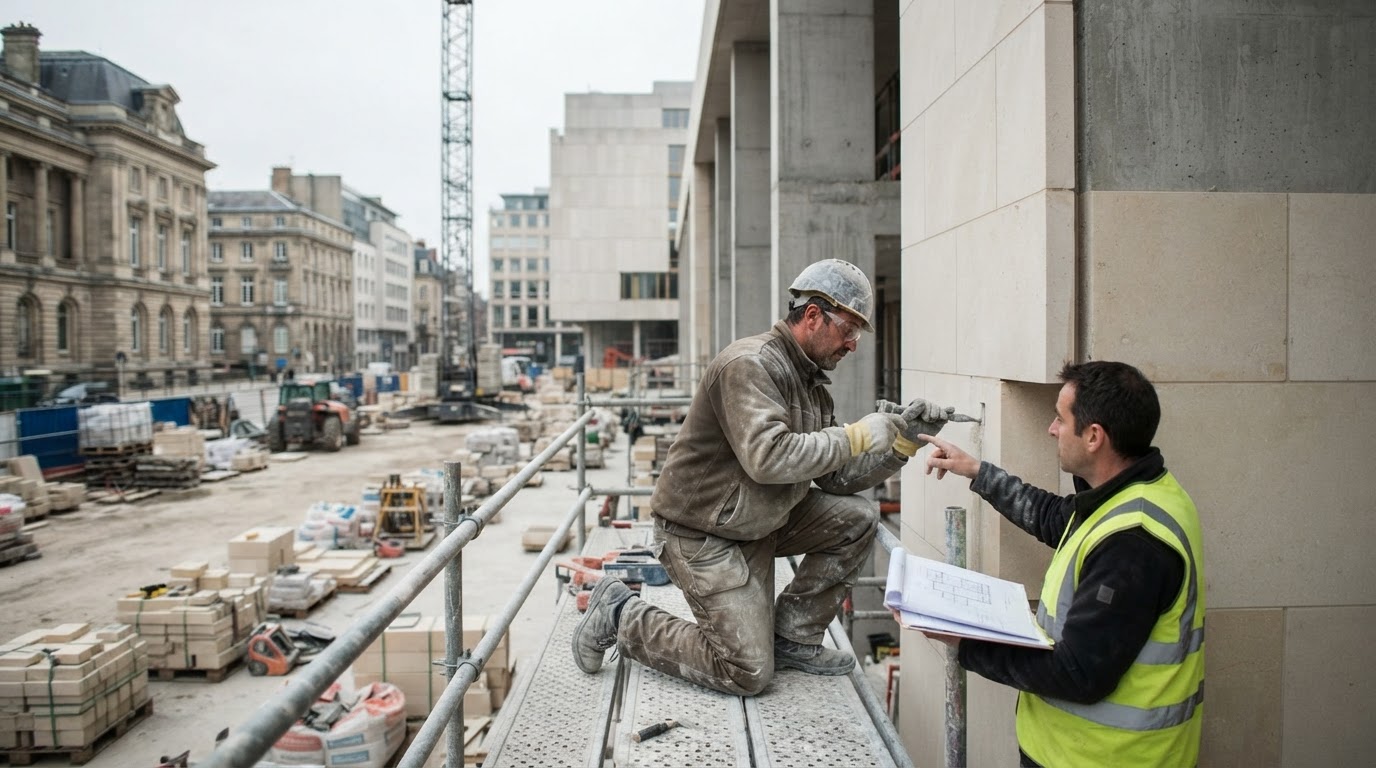
Capital allocations toward monumental construction show how governing bodies convert liquid revenue into permanent institutional authority. For decades, conventional architectural surveys evaluated civic masonry through formal style and utilitarian typology. That aesthetic framing obscured the fiscal mechanism: state building programs function as long-term capital commitments where public authorities exchange financial liquidity for administrative stability and spatial control.
This structural tension anchors Classicism in Canada: Ambition, Utopia, Hubris, an edited volume by Joan Coutu and David A. Galbraith published by MQUP in 2026. Writing in Canadian Architect, reviewer Graham Livesey notes that architectural history has operated as an openly contested terrain for some time. The established practice of sorting historical buildings into tidy stylistic lineages has eroded under closer scrutiny. When physical structures are analyzed through public procurement rather than decorative pedigree, civic porticos cease to appear as benign cultural imports.
Capital and Administrative Discipline
Public masonry imposes substantial upfront outlays and sustained administrative overhead. An authority selecting classical stonework allocates capital toward structural longevity and institutional hierarchy instead of municipal operational flexibility. Symmetrical stone facades function as a deliberate technology of governance, designed to project sovereign continuity across changing administrative frontiers.
The established practice of sorting historical buildings into tidy stylistic lineages has eroded under closer scrutiny.
Advocates of purely stylistic history contend that municipal builders merely copied the prevailing international fashions of their era without ideological calculation. Colonial boards routinely imported standard design folios and retained credentialed practitioners who worked in the dominant visual idiom. Under this interpretation, classical form served as default bureaucratic shorthand, reflecting professional consensus rather than state enforcement.
Yet that reading overlooks the material discipline governing structural tenders. Constructing monumental colonnades in peripheral geographies creates recurring maintenance liabilities and structural inefficiencies. Private enterprise avoids such overhead unless immediate yields offset the balance-sheet drag. Public entities absorb these structural deficits because the visual output generates administrative deference. A classical municipal hall signals legal continuity and administrative permanence to everyone approaching its perimeter.
The Cost of Projected Permanence
For economies across the Pacific Rim navigating rapid densification, this debate over historic infrastructure carries immediate financial relevance. Deciding whether to preserve or replace inherited administrative stone depends on whether analysts treat those structures as neutral civic artifacts or as instruments of state power. When municipal planning committees classify institutional blocks solely as decorative heritage, they obscure the past capital diversions that funded state masonry over regional infrastructure.
The volume edited by Joan Coutu and David A. Galbraith demonstrates that monumental architecture remains inseparable from fiscal priorities. Every civic facade reflects the ambitions and institutional calculations of the governing bodies that authorized its capital budget. Urban planners cannot reconcile development demands with historical conservation without first subjecting monumental stone to economic accounting. The outcome depends on whether municipal authorities can redirect inherited administrative infrastructure toward functional public utility.
Sources
Newsletter
Pacific Daily
A curated briefing from Thailand, Asia-Pacific and the world.