Domestic Enclosure and the Architecture of Animal Boarding
Singapore’s growing inventory of feline hotels prioritises human hospitality metaphors over spatial suitability.
SINGAPORE
Feline physiology measures territory through acoustic exposure and olfactory boundary lines rather than decorative finish. According to official licensing records, licensed cat boarding facilities in Singapore rose from 35 in 2024 to 47 by end-September, propelled by twelve cat hotels opening since 2025. Market newcomers, such as Sundays Cat Hotel & Resort, borrow the commercial lexicon of leisure hospitality, categorising private enclosures as suites or villas. This spatial branding introduces an immediate structural paradox: an animal experiences unfamiliar confinement as an abrupt territorial collapse, irrespective of what human terminology appears on the door.
Commercial cat boarding operates on an unresolved divide between customer reassurance and biological containment. Pet owners purchasing boarding services seek legible markers of domestic luxury, rewarding operators who install plate glass fronts, pastel tones and miniature furniture. In stark contrast, veterinarians report that mixed boarding environments and substandard spatial design create chronic neurological stress that triggers physical disease. The occupant cares nothing for veneer panels or resort branding. Survival instincts demand acoustic shielding, high air exchange rates, and secluded vertical perches away from overhead foot traffic.
The Limits of Hospitality Borrowing
When pet facilities mimic human boutique hotels, their floor plans typically trade functional seclusion for customer visibility. Wide glass vitrines satisfy visiting owners during drop-off, but they systematically expose territorial animals to direct sightlines from unfamiliar neighbors. In regulatory terms, Animal & Veterinary Service licensing establishes baseline welfare controls, compelling businesses under the National Parks Board framework to enforce fundamental quarantine and containment protocols. Unlicensed home boarding remains strictly illegal because standard domestic apartments rarely provide mechanical air separation or isolated containment corridors.
Yet regulatory compliance does not guarantee sound animal architecture. Field profiles indicate that recent operators form an uneven mix of existing pet trade businesses and first-time entrepreneurs transitioning from personal cat ownership. The latter group understands feline affection but frequently takes leases in standard commercial shopfronts. In practice, dampening stress-induced vocalisation and preventing aerosol pathogen transfer in these spaces demands sealed acoustic mass and negative-pressure airflow, not decorative plywood screens.
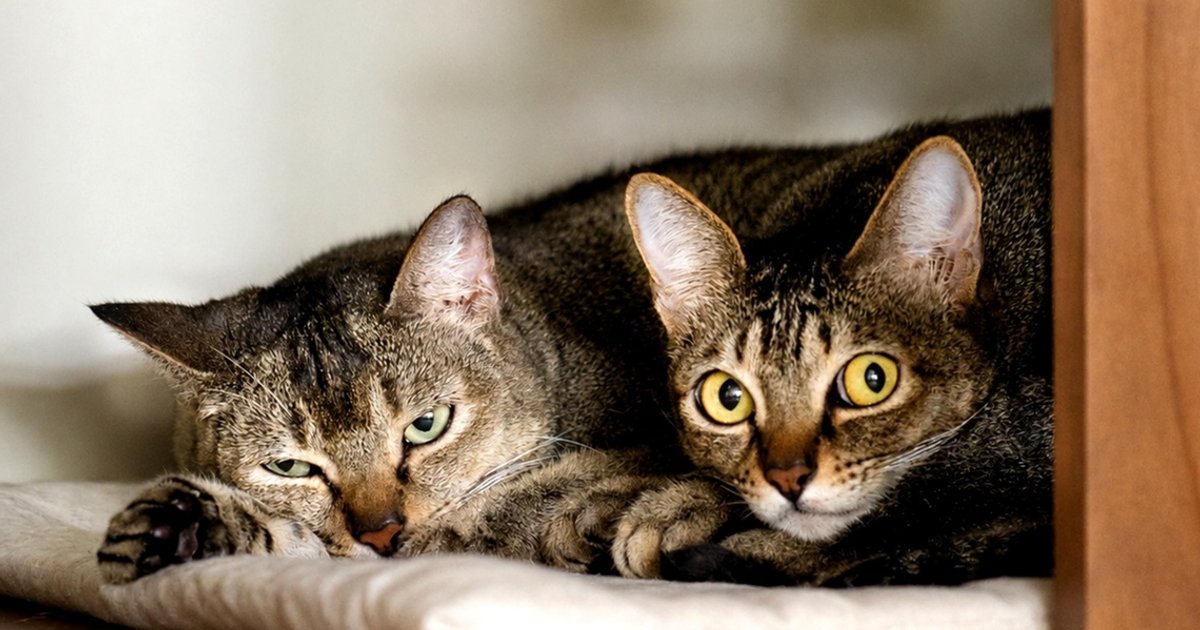
Vets warn to choose AVS-licensed, cat-only, well-designed facilities, as mixed or poor boarding can stress cats and trigger illness.
Advocates of dedicated cat boarding counter that specialised facilities mark genuine progress beyond traditional kennels. The spatial evidence supports this claim. Eliminating canine presence removes the dominant olfactory and acoustic disruptors that compromised legacy boarding for decades. Dedicated operators can lower ambient illumination schedules, control background mechanical hums, and enforce quiet periods without the sudden interruptions of barking dogs.
Structural Form Versus Commercial Signage
Removing dogs resolves only the most overt environmental stressor. What persists is the physical reality of urban commercial density.
High retail rents across Singapore pressure operators to maximise enclosure counts per square metre. Labeling a narrow cubicle a villa elevates its retail price tier, but architectural analysis reveals no actual expansion in functional cubic volume. True environmental mitigation requires genuine vertical run height, three-dimensional retreat zones, and non-porous visual dividers between compartments.
Urban pet management increasingly depends on institutional boarding infrastructure to facilitate owner mobility. So long as facility interiors are built to reassure human aesthetic sensibilities, these enclosures will comfort paying customers rather than meeting the sensory requirements of their inhabitants. Reconciling consumer marketing with the austere physiological demands of feline confinement remains an unresolved problem in contemporary animal architecture.
Sources
Newsletter
Pacific Daily
A curated briefing from Thailand, Asia-Pacific and the world.