Electric Bus Transition Demands Operator Adaptability
Singapore's Tampines bus contract awards quality over price, indicating a shifting landscape for transport tenders across Asia-Pacific.
SINGAPORE
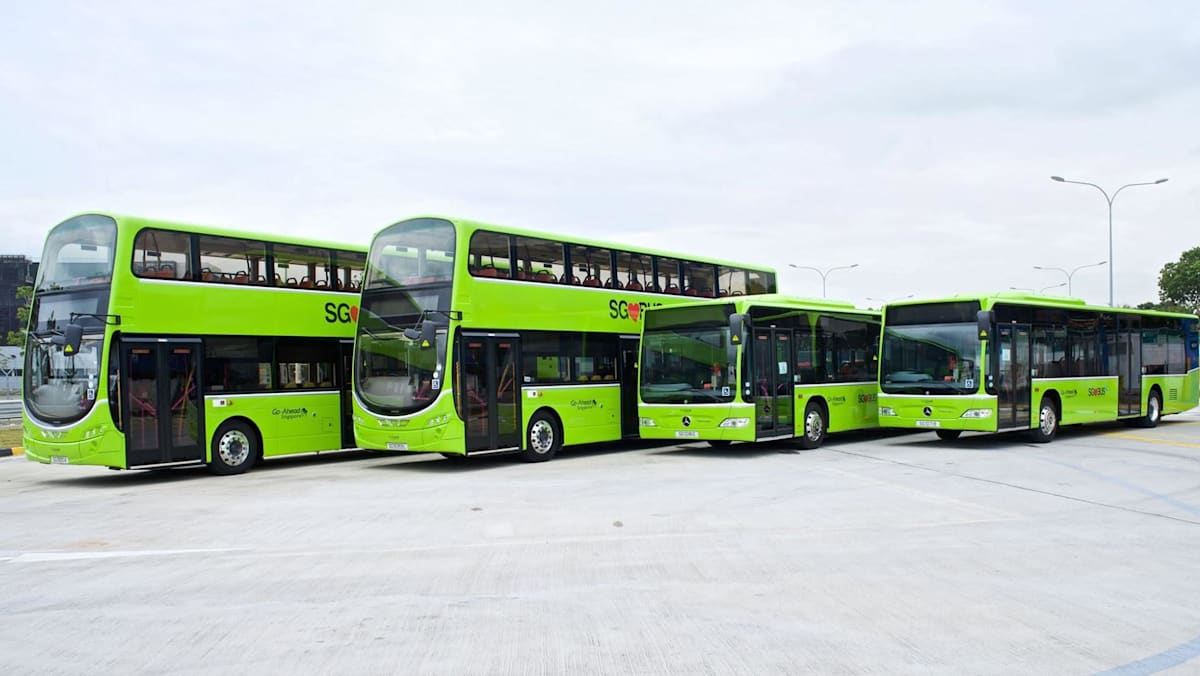
A higher bid from Go-Ahead Singapore secured the Tampines bus package, despite costing more. This decision, announced by Transport Minister Jeffrey Siow on October 6, 2026, hinged on the company’s plans for managing large-scale electric bus operations and maintenance. Such a move signals a recalibration of priorities in public transport contracting, highlighting an emerging tension between immediate cost considerations and the longer-term demands of technological transition.
Public transport tenders have historically prioritized the lowest bid. The Tampines contract, however, demonstrates a clear willingness to invest in operational quality, particularly concerning the complexities of electric vehicle fleets. Mr. Siow's statement that most services are now improved suggests a tangible return on this investment, even with a higher initial outlay. This could set a precedent for other urban centers in the Asia-Pacific grappling with similar infrastructure upgrades and environmental mandates.
The core of the decision lay in Go-Ahead Singapore's proposed solutions for electric bus management. Effectively handling charging infrastructure, battery longevity, and specialized maintenance requirements represents a significant operational shift from traditional diesel fleets. For bus operators, this means a need for substantial investment in training, technology, and facility upgrades. The cost of such preparedness is evident in Go-Ahead Singapore's successful, yet higher, bid.
For cities across the region, from Bangkok to Kuala Lumpur, that are eyeing or implementing electric public transport, the Singaporean model presents a clear signal. Operators must demonstrate a robust plan for managing advanced fleets, not merely offer competitive pricing. The immediate question arises: at what point does the cost of developing this expertise become prohibitive for smaller, local players? The transition will inevitably favor operators with the capital and technical foresight to adapt.
This emphasis on quality bodes well for service improvements and environmental objectives. Yet, it also implies a higher barrier to entry for prospective contractors. Governments must weigh the benefits of advanced operational capabilities against the potential for reduced competition. The market structure's future, alongside operational efficiency, will depend on how effectively these competing incentives are balanced in future tenders.
Sources
Newsletter
Pacific Daily
A curated briefing from Thailand, Asia-Pacific and the world.