Edison Chen's Return to Malaysian Screens and the Legacy of Hong Kong Cinema
The casting of a controversial figure in a pan-Asian production speaks to shifts in the region's cultural preservation.
HONG KONG
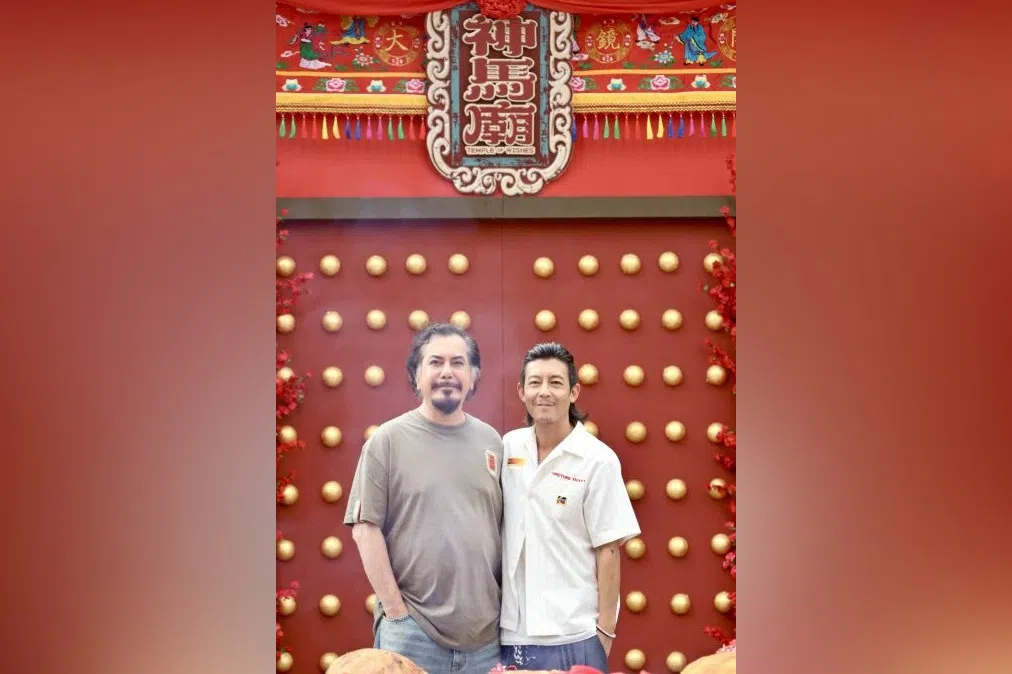
The announcement of Edison Chen's return to the big screen, with a new film now being shot across Malaysia, China, and Italy, marks a significant moment for enthusiasts of Hong Kong cinema. Chen, 45, who had scaled back his film and television projects to focus on a fashion business and family life, according to a summary by The Straits Times Life on September 20, 2026, is filming a Chinese New Year movie set to wrap by the end of September.
The lensing ceremony in Penang on September 17, as reported by The Straits Times on September 20, highlighted Chen's enduring popularity. This return, particularly in a production spanning multiple Asian locations and intended for a pan-Asian release, signals a pattern of continuity, even as the landscape of regional film production undergoes change. It is not merely a personal comeback but also an echo of a time when Hong Kong's cinematic output held a more central, defining role in the cultural imagination across Southeast Asia.
Chen's previous work, notably the 'Infernal Affairs' trilogy (2002 to 2003) and 'Initial D' (2005), where he acted alongside Anthony Wong, represents a period when Hong Kong films were a dominant cultural export. The fact that a project featuring such a prominent figure is now being filmed largely outside Hong Kong, specifically in Malaysia, suggests a reorientation of production hubs within the broader Asia-Pacific. Malaysia, as evidenced by other recent productions like HK actor Nick Cheung's new movie also filmed there, appears to be positioning itself as a preferred location for these cross-regional ventures. This migration of production away from traditional centers like Hong Kong raises questions about the long-term preservation of distinct cinematic identities that once flourished in specific locales.
The casting choice itself reflects a calculated move. While Chen's popularity is noted, his past controversies, which led to a decade-long absence from leading roles, are not directly addressed in the reporting. However, his inclusion in a major festive film signals a potential re-acceptance within the industry. This could be interpreted as the industry prioritizing established names with regional recognition, even those with complicated pasts, over new talent that might lack the same broad appeal necessary for pan-Asian box office success. It highlights a recurring tension: the commercial imperative to leverage familiar faces against the artistic impulse to innovate.
While this development points to the adaptability of regional cinema and the emergence of new production hubs, it also raises concerns about the potential homogenization of Asian cinematic output. If films consistently favor pan-Asian appeal over localized narratives or unique production methods, the distinct voices that once characterized different national cinemas could slowly recede. The physical relocation of production may erode some of the specific cultural nuances that previously defined Hong Kong's film identity, replacing them with a more generalized 'Asian' aesthetic. The return of a figure like Chen to a pan-Asian production filmed away from his traditional base therefore captures a wider habit: the constant negotiation between legacy, market forces, and the evolving geographical contours of cultural creation in Asia.
Sources
Newsletter
Pacific Daily
A curated briefing from Thailand, Asia-Pacific and the world.