Domestic Fracture and the Illusion of Sustained External Power
As congressional contests descend into acute legal warfare, structural gridlock in Washington undermines predictable external posture.
SINGAPORE
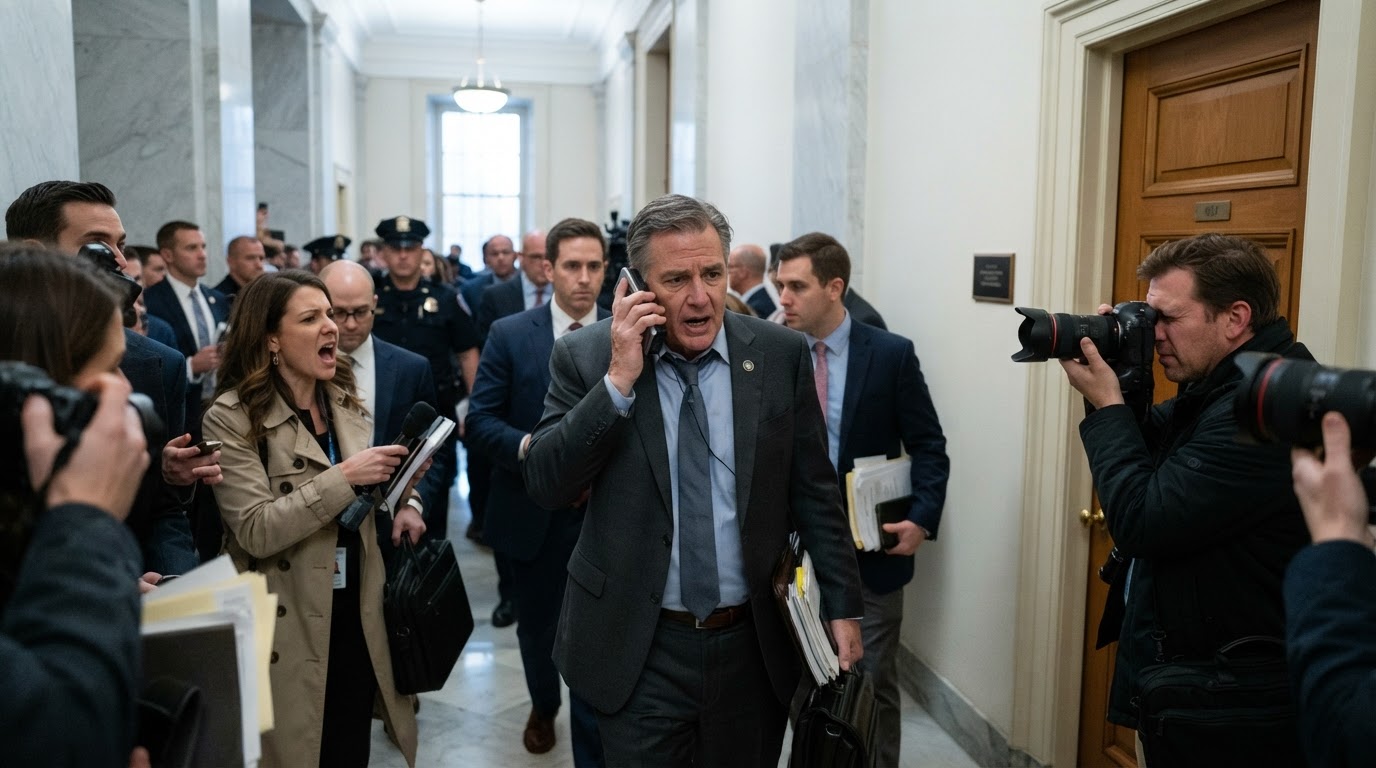
Electoral cycles in the United States once conformed to predictable institutional rituals, where procedural adjudication followed voting rather than preceding it. That administrative boundary has now eroded during the final weekend of the 2026 congressional campaign. With early voting nearing 50 million Americans—a record for a midterm election—federal legal mechanisms have moved directly into the electoral arena. In Alaska, the Trump administration and the DOJ accelerated a criminal investigation on Friday, Oct 30, intervening in a contested Senate race involving allegations that aides to a Democratic Senate candidate recruited an alternative contender from a remote fishing village. The timing of this inquiry, unfolding alongside active balloting, marks a profound shift in how state authority interacts with democratic process.
When criminal investigations by executive bodies overlap with citizens casting ballots at sites like Midtown Mall in Anchorage, electoral competition ceases to function as a self-contained arbiter of political mandate. The operational focus of the American state increasingly turns inward, expending administrative energy on domestic friction rather than coherent governance. For allied and partner capitals across the Asia-Pacific watching Washington, this shift carries immediate strategic consequences. Policy coherence requires legislative stability. A national legislature paralyzed by contested legitimacy and microscopic partisan margins cannot sustain coherent foreign commitments, regardless of declarative rhetoric issued from executive departments.
Institutional Drift
External observers frequently misinterpret American midterm campaigns as transient domestic disputes that automatically resolve once ballots are tallied. Historical precedent suggests the opposite: acute legislative division cements structural inertia across multiple budget cycles. When control of Congress hinges upon narrow regional contests, governing coalitions prioritize immediate defensive measures over durable international engagement. Executive departments facing constant congressional scrutiny become inherently cautious, while legislative committees consumed by partisan inquiries lose the bandwidth to pass complex appropriations or ratify bilateral frameworks. Legislative gridlock thereby transforms from an episodic election byproduct into the operating norm of the federal bureaucracy.
When domestic legal machinery becomes an instrument of political combat, continuity in external strategy evaporates.
Regional partners across the Asia-Pacific have historically calibrated their security and economic planning on the assumption that American external policy retains a baseline of institutional continuity. That assumption has become increasingly untenable under conditions of persistent legislative division. The administrative friction visible in the Alaska Senate contest indicates that Washington will confront acute legislative fragmentation regardless of formal party tallies. A Senate occupied by internal investigations and procedural combat cannot provide the legislative backing required for long-term trade agreements, sustained development financing, or predictable security posture across maritime Asia.
Strategic Realignments
Diplomatic counterparts in Southeast Asia must interpret this domestic paralysis as an enduring condition rather than an episodic aberration. When the core apparatus of state power is directed toward domestic contestation, external engagement inevitably becomes reactive, fragmented, and transactional. Washington may continue to project an assertive posture through presidential directives, yet unilateral executive action lacks statutory durability. Without legislative consensus and long-term budgetary permanence, foreign policy initiatives remain vulnerable to sudden reversal whenever congressional leadership shifts or statutory funding expires.
This dynamic forces regional capitals to diversify their strategic partnerships and build autonomous diplomatic architecture. Middle powers cannot anchor their security or economic stability to an external power whose central legislative machinery remains gridlocked by domestic disputes. Evaluating this environment requires recognizing that executive assurances delivered without congressional endorsement carry minimal institutional permanence. Voters arriving at polling stations across the United States demonstrate high civic participation, yet simultaneous federal investigative interventions confirm deep governance strains within the republic. The fundamental tension confronting regional strategists is whether to preserve legacy dependencies on Washington or accelerate structural self-reliance amid prolonged American legislative paralysis.
Sources
Newsletter
Pacific Daily
A curated briefing from Thailand, Asia-Pacific and the world.