Distilled Agave: A Subtle Displacement in Asia’s Cultural Tastes
Hong Kong’s Coa bar and its annual Mexico pilgrimage signal a shift in regional spirit preferences, raising questions about what cultural narratives are preserved.
SINGAPORE
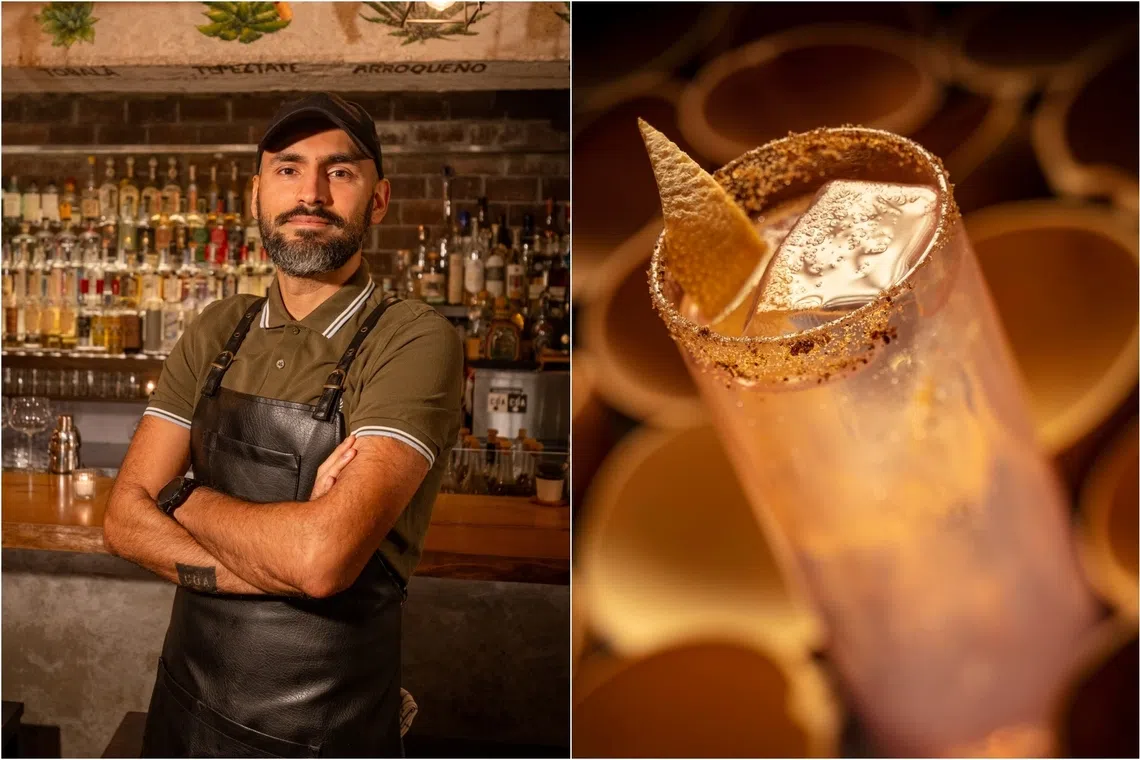
The annual journey undertaken by mixologist Jay Khan from Hong Kong to Mexico, as reported by The Straits Times Life, is framed as a search for inspiration in agave spirits. This pursuit, which takes him into the origins of tequila and mezcal, is notable not merely for its ambition but for what it represents within the wider landscape of Asia’s beverage culture. Khan’s establishment, Coa, has been ranked top in Asia’s 50 Best Bars for three consecutive years, from 2021 to 2023, and features an extensive 41-page spirit menu that includes signature cocktails like Smacked Cucumber and La Paloma de Oaxaca. His commendation of Hong Kong’s broader cocktail scene, citing bars such as Mius, Bar Leone, and Quinary, points to a sophisticated and evolving palate.
Historically, the spirits of choice across much of Asia have been rooted in local traditions and production methods—rice wines, shochu, baijiu, or arrack, depending on the specific region. These are beverages deeply intertwined with ceremonial practices, social gatherings, and a sense of place. The growing prominence of agave spirits, championed by figures like Khan, suggests a gradual reorientation of taste. This shift is not merely about importing a product but about adopting a different cultural narrative. Agave, with its deep roots in Mexican history and indigenous practices, is now being presented within the refined settings of top-tier Asian bars, displacing, however subtly, the historical prominence of other distilled traditions. The question then becomes, what is being preserved in this exchange, and what is quietly being replaced?
This movement is not without its complexities. The increasing visibility of agave spirits has attracted significant commercial interest, including celebrity endorsements, as noted by the South China Morning Post in 2021. This commercialization can elevate the profile of a spirit but can also dilute its traditional provenance and cultural significance, transforming it from a craft product into a global commodity. For discerning consumers, the appeal often lies in the authenticity and artisanal nature of these spirits. For businesses, the focus may shift towards market expansion. Khan's annual pilgrimage to Mexico appears to be an attempt to maintain a connection to this authenticity, suggesting a conscious effort to navigate between commercial pressures and cultural integrity.
The trajectory of agave spirits in Asia contrasts with the established reverence for local, often fermented, beverages that are integral to celebrations and daily life across the region. While new ingredients and influences have always found their way into local cuisines and beverage traditions, the current embrace of agave spirits might signify a more profound cultural acclimatization, one that favors global trends over entrenched regional preferences. The long-term consequence for places like Thailand, with its rich tapestry of local fermented drinks and herbal infusions, could be a subtle but steady shift in consumer perception, where the exotic begins to overshadow the indigenous. It remains to be seen how this trend will evolve and what it will ultimately mean for the enduring expressions of Asia’s own distilled heritage.
Sources
Newsletter
Pacific Daily
A curated briefing from Thailand, Asia-Pacific and the world.