Dim Sum Relocation Tests Singapore's Hospitality Model
Victor's Kitchen's shift to Toa Payoh from Chinatown highlights a strategic pivot towards local demand, challenging assumptions about profitability in tourist-centric zones.
SINGAPORE
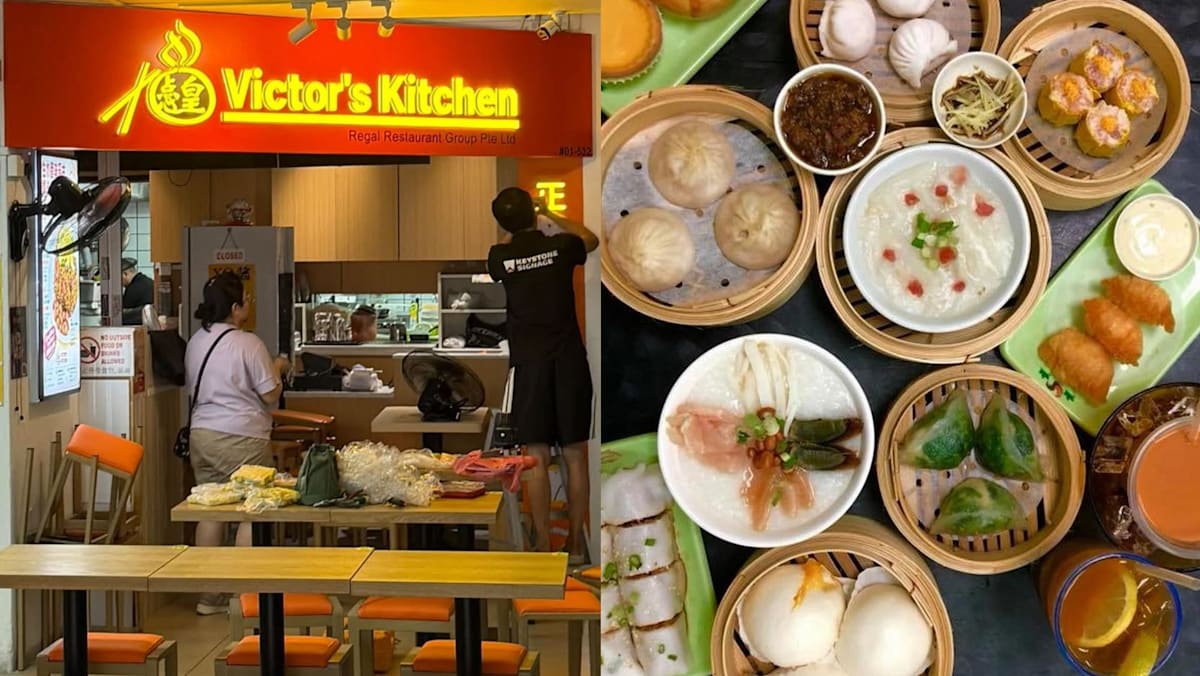
A Singaporean dim sum establishment, Victor's Kitchen, has opened a new outlet in Toa Payoh, following the closure of its Chinatown branch. This relocation marks a significant shift for the eatery, which began its operations over two decades ago when Hong Kong-born chef Victor Leung founded it around 2004 at Sunshine Plaza. The move away from Chinatown Point, a traditional tourist and city-centre locale where it expanded around 2015, towards the heartland residential area of Toa Payoh suggests a strategic repositioning of its business model.
The initial Sunshine Plaza outlet established the brand with its "affordable, hearty Hong Kong-style dim sum" and notable "Golden Egg Yolk Lava Buns." A resilient demand for its core offering has been evident over time, despite what is described as "often brusque service." The decision to close the Chinatown Point location and open in Toa Payoh, however, points to an assessment of market realities. Chinatown Point, while drawing a diverse crowd, relies on foot traffic from tourists and office workers, a segment that can be volatile. Toa Payoh, by contrast, is a well-established residential hub. ERA launched its Asia-Pacific HQ in a former entertainment centre there in 2022, suggesting a stable, local consumer base less prone to external shocks.
Profitability for any food and beverage business hinges significantly on consistent local patronage. This directly translates to occupancy rates and predictable revenue. Tourist-heavy areas might offer higher peak spending, but residential areas typically provide more stable, everyday demand. The emphasis on "reasonable prices with no GS" at Victor's Kitchen further aligns with a strategy targeting local residents, who are sensitive to value. The challenge for a business moving into a residential area is to cultivate visibility and appeal without the constant influx of new customers a tourist precinct might provide. This transition suggests a calculated risk to optimize operational costs and secure a more stable revenue stream from regular diners.
For similar hospitality ventures across the Asia-Pacific region, this relocation highlights a common constraint: balancing the allure of high-profile, high-rent city-centre locations with the stability of community-centric demand. The outlook for Victor's Kitchen depends on its ability to cultivate the same loyal following in Toa Payoh that sustained its previous outlets. This indicates a clear preference for local, consistent trade over transient, potentially higher-spending customers, raising questions about the long-term viability of high-rent tourist zones for mid-market food operations.
Sources
Newsletter
Pacific Daily
A curated briefing from Thailand, Asia-Pacific and the world.