Daytime Fatigue, Nighttime Silence: When Asia's Office Workers Misunderstand Sleep
A recent survey in Singapore highlights a widespread lack of awareness about sleep apnoea, suggesting a regional pattern of normalising exhaustion that affects health and productivity.
SINGAPORE
The image of an industrious Asian office worker often includes late nights and early mornings, a routine sometimes punctuated by short naps. This pattern, however, might conceal underlying health issues, particularly concerning sleep. A survey in Singapore recently revealed that one in four office workers screens at intermediate-to-high risk of sleep apnoea.
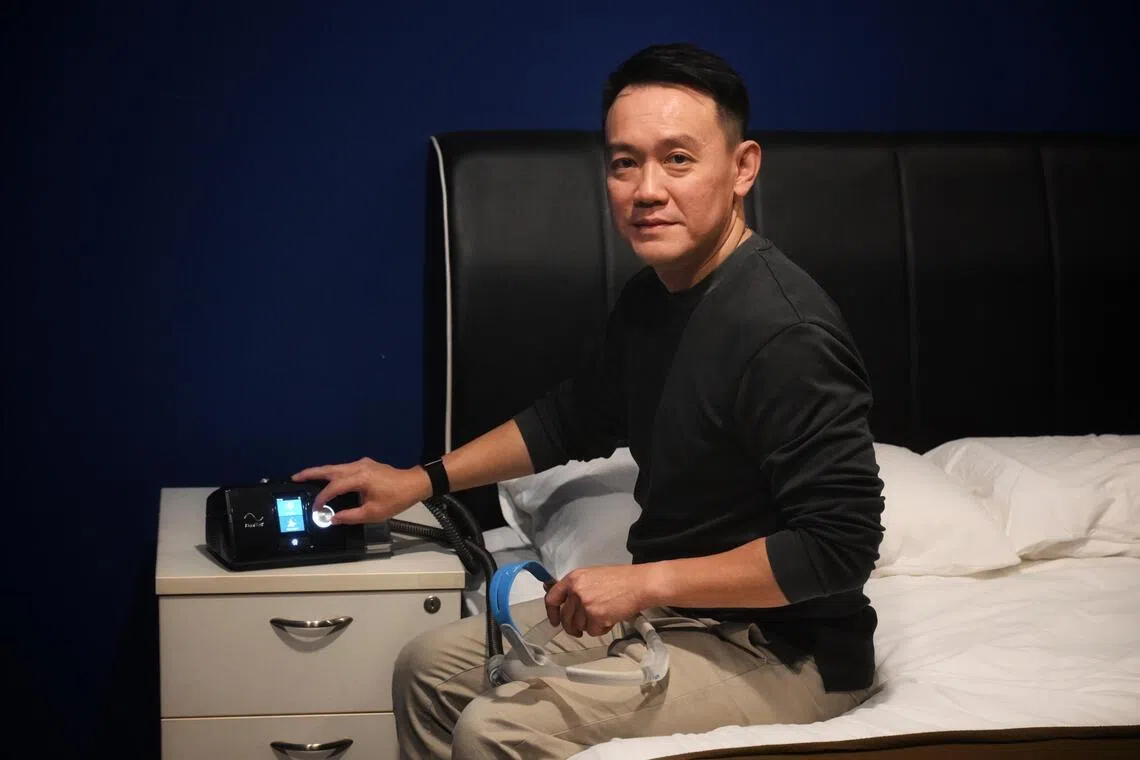
This finding is notable not just for the prevalence of the condition, but for the widespread lack of recognition it receives. Sixty percent of these workers have little to no awareness of sleep apnoea, leading them to overlook crucial symptoms. Daytime fatigue is often dismissed as a normal consequence of a demanding schedule, and even loud snoring is sometimes mistaken for deep, restorative sleep. Vincent Lim, for example, had not considered snoring a symptom of obstructive sleep apnoea before his own diagnosis, illustrating a common misunderstanding.
Such a cultural acceptance of exhaustion resonates across the region. In countries like China, the practice of napping during work hours is not only common but encouraged, seen by some as a means to maintain productivity. Employers are sometimes urged to recognize the value of these naps. This approach, while appearing proactive, might inadvertently encourage workers to manage symptoms rather than address root causes, particularly if conditions like sleep apnoea are misunderstood.
The human dimension of these statistics shows a quiet struggle. Many only seek medical help after years of suffering. The availability of treatments such as CPAP machines offers significant symptom improvement, yet the delay in diagnosis means prolonged periods of unaddressed health concerns. The issue is less about the solutions available and more about the initial recognition of a problem.
This situation reveals a broader cultural narrative about work, rest, and self-perception in the Asia-Pacific. The drive for economic advancement and professional success often comes with an unspoken expectation of endurance, where physical discomforts are internalised or reframed as normal. The Singapore survey suggests a gap between personal experience and medical understanding, where common physiological signals are misinterpreted through a lens of diligence. This could lead to a cycle where the very act of being a 'hard worker' inadvertently exacerbates health problems that undermine long-term well-being and, ultimately, productivity. The quiet acceptance of persistent tiredness is a cultural signal worth observing.
Sources
Newsletter
Pacific Daily
A curated briefing from Thailand, Asia-Pacific and the world.