Constitutional Ambiguity in the Philippines Echoes Regional Challenges
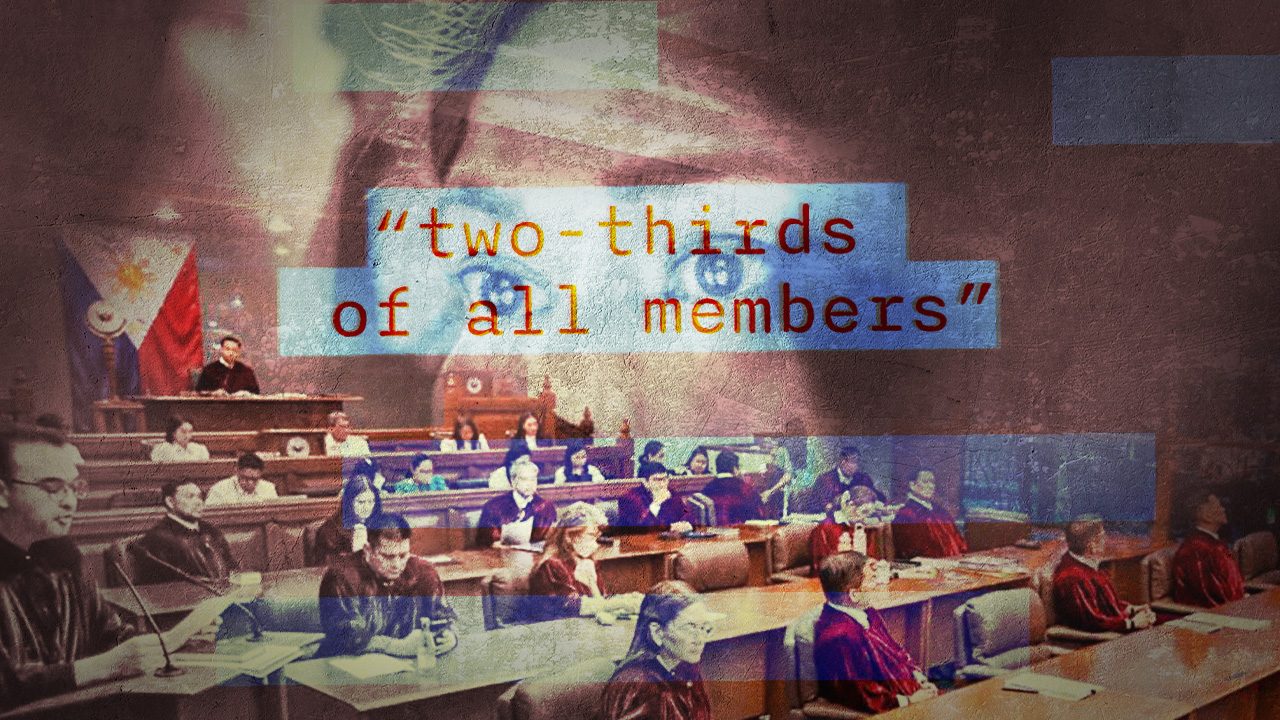
The debate over 'two-thirds of all members' in the Philippine Senate reflects broader patterns of legal interpretation affecting governance across the Asia-Pacific.
SINGAPORE
The Rappler report on September 21, 2026, details a significant constitutional dispute regarding the impeachment of Philippine Vice President Sara Duterte. At its core is the interpretation of the requirement for a 'two-thirds vote from all Senate members,' specifically whether this phrase includes absent senators. This point of contention arises because the Philippine Constitution, though influenced by US legal traditions, omits the term 'present' that appears in the US Constitution. This linguistic difference has led to debates among legal scholars and holds substantial implications for the exercise of legislative power.
Historically, many nations in the Asia-Pacific, including the Philippines, adopted constitutional frameworks with influences from English and American legal practices. However, these frameworks often contained specific phrasing that later became points of legal and political dispute. The current Philippine situation is not unique; similar ambiguities surface in various legislative contexts across the region. In Thailand, for instance, parliamentary proceedings have faced challenges related to the interpretation of constitutional clauses concerning quorum or voting thresholds. These discussions are not abstract; they directly impact governmental stability and the balance of power within national legislatures.
The absence of explicit definitions in fundamental legal texts creates a vacuum that can be used for political advantage. The Rappler report notes an attributed claim suggesting the controversy could be explained as a ‘scrivener’s error,’ implying a simple drafting oversight. This view, however, bypasses the significant political capital gained or lost depending on how such an ambiguity is ultimately resolved. If the interpretation includes all members, regardless of their attendance, it increases the threshold for impeachment, potentially protecting officeholders. Conversely, an interpretation that counts only those present would lower this threshold, making impeachment processes more accessible.
While the immediate focus remains on the Philippine Vice President’s impeachment, the underlying issue has regional resonance. Constitutions are foundational, and their precise wording is critical. When ambiguities arise, they often lead to prolonged legal contests, as demonstrated in various courts across the Asia-Pacific tasked with interpreting legislative intent. Rappler’s emphasis on the Philippine Constitution’s lack of clarity, despite its historical influences, points to a persistent structural challenge in legislative frameworks across the region. The resolution in the Philippine Senate will establish a precedent, influencing future interpretations of comparable clauses, not solely within the Philippines, but potentially serving as a reference for legislative discussions in other nations grappling with similar constitutional silences. This situation highlights how seemingly minor textual variations can contribute to political instability, a constraint that remains unresolved in many regional democracies.
Sources
Newsletter
Pacific Daily
A curated briefing from Thailand, Asia-Pacific and the world.