Chinese Overseas Mining Faces Social Accountability Hurdles Amid Critical Mineral Push
While the pursuit of critical minerals intensifies, Chinese-invested projects abroad struggle with social standards, potentially creating new regional friction.
SINGAPORE
Chinese companies involved in overseas mining operations face significant challenges in meeting international environmental, social, and governance (ESG) standards. Experts indicate a particular lag in the social aspect of these projects. This development occurs as China expands its global search for critical minerals, essential for electric vehicle batteries, wind turbines, and solar panels.
The global scramble for resources is evident. China has secured mining rights to a tenth of Nicaragua’s land, according to a September 2026 Financial Times report. The nation’s strategic push extends to snapping up mines worldwide, a July 2025 Financial Times article noted, and engaging in critical minerals diplomacy, as highlighted by another Financial Times piece in July 2026. However, this aggressive resource acquisition is not uniformly applied; Tianqi Lithium, for instance, reportedly favors China’s salt lakes over African resources due to resource nationalism, a South China Morning Post report from April 2026 stated.
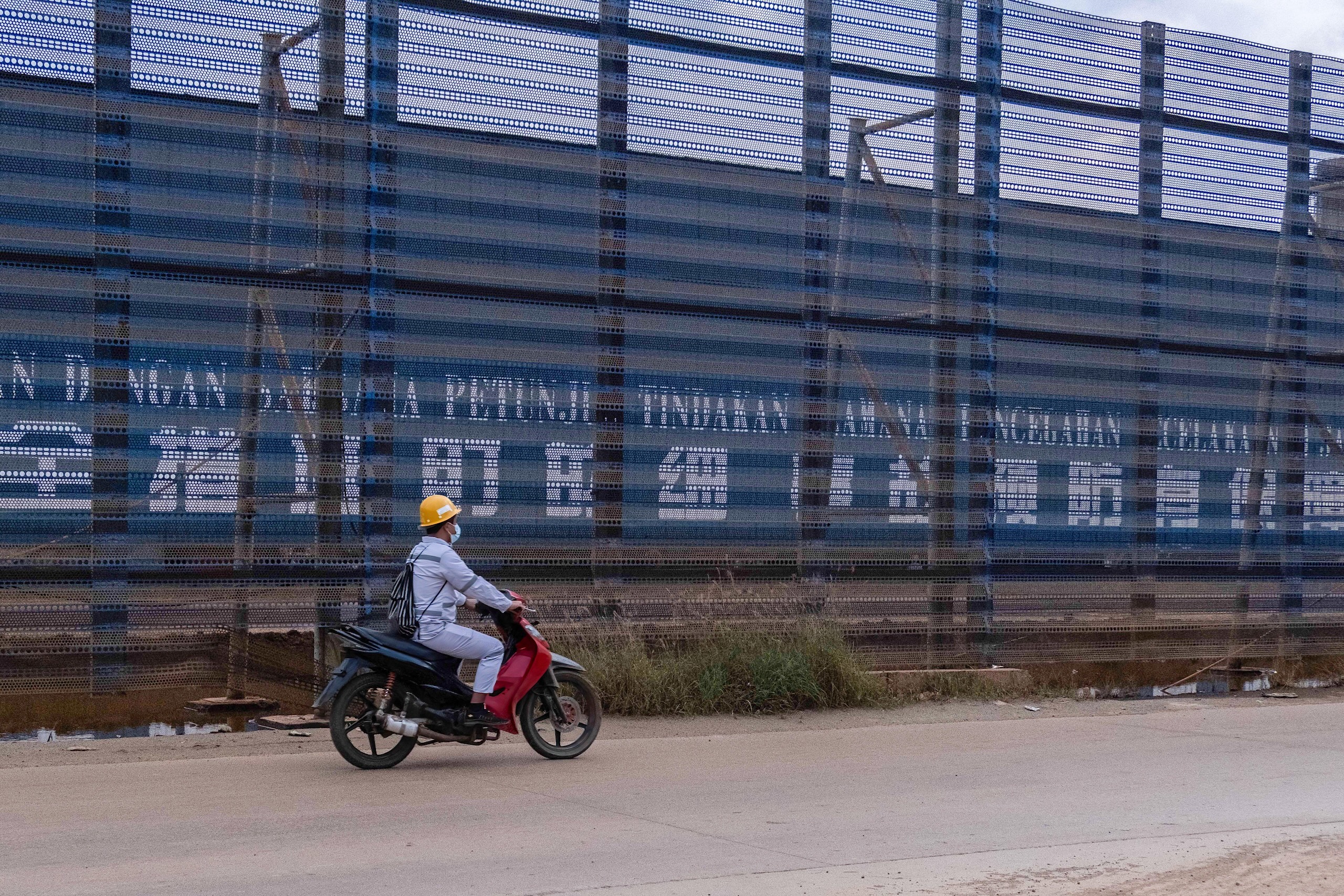
For the Asia-Pacific region, this focus on critical minerals and the associated ESG challenges bear specific implications. As Chinese-invested nickel smelting in Sulawesi, Indonesia, demonstrates, such projects are already operational within the region. The lag in social standards could create local resistance, reputational risks for host nations, and complicate regional supply chains for green technologies. The observed shift towards international standards by Chinese companies is a positive trajectory, but the pace and depth of implementation, especially on social issues, remain critical points of assessment. The China Dialogue Ocean report from October 2026 described this as a “long and rocky road to ESG for Chinese overseas mining.”
One perspective suggests that the pursuit of critical minerals is a national strategic imperative for China, driven by global demand for green energy technologies. This view posits that economic benefits for host countries, such as infrastructure development and job creation, might outweigh some social concerns in the short term. However, the long-term sustainability and social license to operate for these mines depend heavily on robust engagement with local communities and adherence to internationally recognized social safeguards.
The challenges in meeting social standards are not unique to Chinese firms, but their scale of investment and the strategic importance of critical minerals amplify the consequences. An October 2026 China Dialogue Ocean analysis pointed out that companies are shifting towards international standards, but experts say they lag particularly on the social side. This suggests a systemic gap that requires more than superficial adherence. Local populations often bear the direct impact of mining operations, including displacement, environmental degradation, and changes to traditional livelihoods. Inadequate social safeguards can lead to conflicts and operational disruptions, ultimately hindering the very supply chain security that drives these investments.
The increasing competition for critical minerals is also fostering new partnerships, such as the Australia–Vietnam rare earth collaboration noted by East Asia Forum in March 2026. These alternative alliances suggest that nations seeking to secure their own mineral supplies may prioritize partners who more readily meet stringent ESG requirements, potentially isolating those who do not. For countries like Thailand, which could become a transit or processing hub for such minerals, the adherence of mining partners to social standards directly impacts national environmental and social stability, and its own standing in regional and global supply networks.
Ultimately, the success of China’s overseas mining ventures, and their integration into global green technology supply chains, will depend on their ability to close the identified gap in social standards. The strategic need for minerals confronts the operational necessity of community trust and adherence to global norms. The tension between these factors will shape the future landscape of critical mineral extraction in the Asia-Pacific. The outcome now depends on whether the shift towards international standards translates into tangible improvements on the ground, particularly for affected communities.
Sources
Newsletter
Pacific Daily
A curated briefing from Thailand, Asia-Pacific and the world.