Hong Kong's Cockatoos: A Local Success Amidst Regional Policy Gaps
While individual conservation projects provide immediate shelter for endangered species, the wider challenge of biodiversity protection across the Asia-Pacific demands a unified policy approach.
HONG KONG
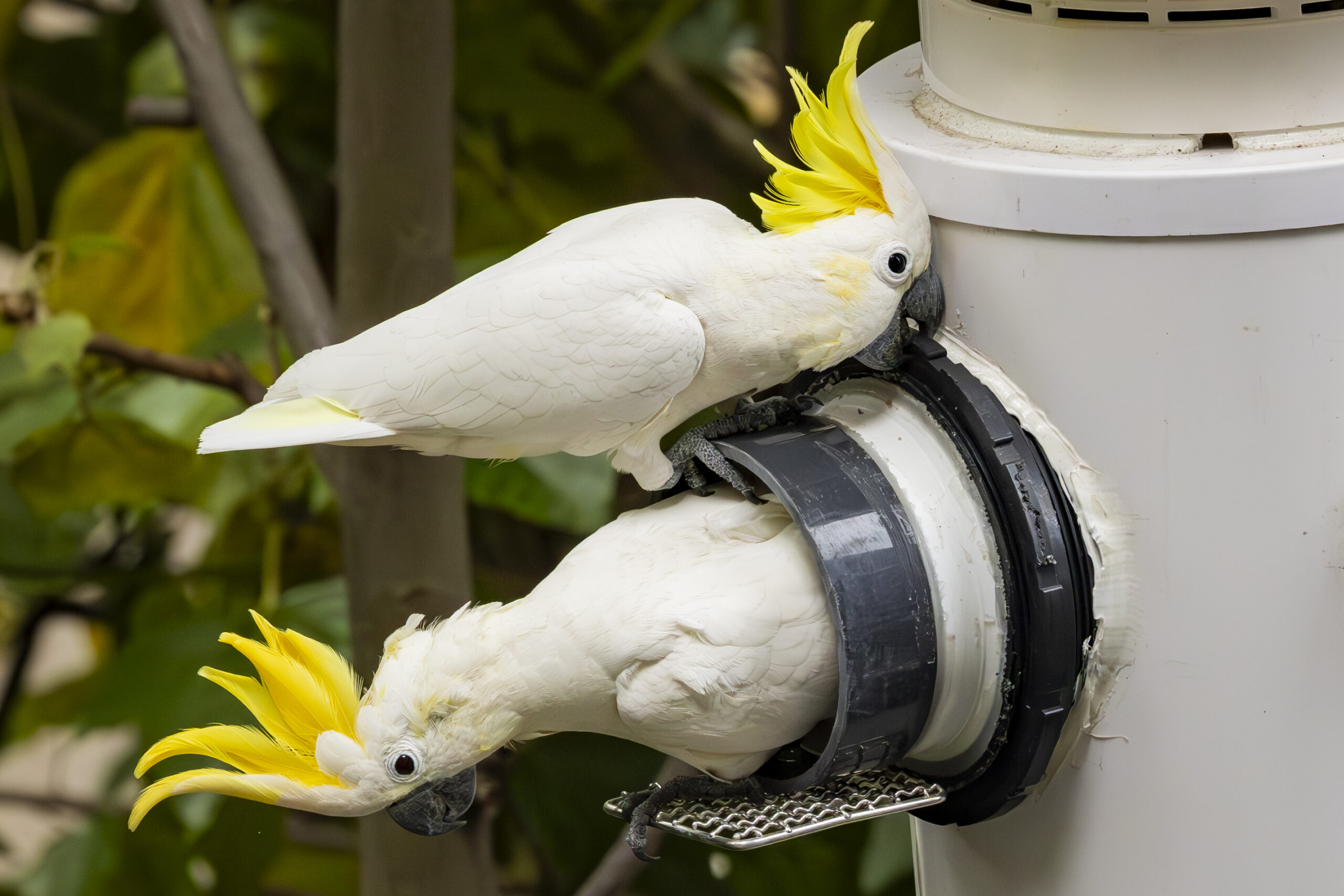
In downtown Hong Kong, the installation of artificial nests for yellow-crested cockatoos at St. Louis School represents a precise, localized effort. On a humid September afternoon, conservationist Harry Wong of HK Cockatoo Watch, with biologist Astrid Andersson from the University of Hong Kong, fitted a nest box onto a candlenut tree. These actions directly address the immediate habitat needs of the cockatoos, a species facing endangerment.
Such direct interventions, though critical for localized populations, highlight a fundamental tension in Asia-Pacific conservation: the reliance on individual projects versus the imperative for comprehensive regional strategies. Hong Kong's feral cockatoos, descendants of escaped pets, present a unique case. A June 2026 study noted these birds could potentially aid in the recovery of endangered populations in Indonesia, suggesting a cross-border ecological value beyond their immediate urban environment. This demonstrates how even focused local efforts can carry wider implications for regional biodiversity, linking urban populations to their wild counterparts across national borders.
The challenge for policymakers across the region lies in transitioning from isolated protective measures to integrated conservation frameworks. While Hong Kong focuses on providing artificial nesting sites, other parts of the Asia-Pacific grapple with pervasive habitat destruction, illegal wildlife trade, and the escalating impacts of climate change. The underlying question is how to scale up successful local initiatives into national policies and then into a cohesive regional agenda that acknowledges ecological interdependence. The fragmented nature of governance and varying conservation priorities among nations often impede such integration.
The case of the yellow-crested cockatoo demonstrates that effective conservation extends beyond protecting a single species in a single location. It involves understanding the genetic viability of populations, potential for reintroduction, and the complex interplay of ecological and anthropogenic factors across national boundaries. Without a concerted regional strategy, even well-intentioned local successes risk remaining isolated, failing to address the systemic pressures that endanger species across the broader Asia-Pacific.
Regional cooperation could leverage successes like Hong Kong's nest box project, transforming them from ad-hoc solutions into components of a larger plan. This would require shared research, cross-border monitoring, and coordinated enforcement against wildlife trafficking. The long-term security of species like the yellow-crested cockatoo depends less on individual acts of heroism and more on the political will to forge unified environmental policies. A policy written inland, without considering the diverse coastal ecosystems and interconnected biospheres it affects, will ultimately pay an ecological cost.
Ensuring the survival of a species across a region as ecologically diverse as the Asia-Pacific demands more than localized interventions. It necessitates a strategic shift towards comprehensive, intergovernmental environmental policies that recognize the interconnectedness of ecosystems and the transboundary nature of biodiversity threats. The immediate success of providing artificial nests in Hong Kong offers a model for tangible action, but the broader constraint remains in establishing mechanisms that amplify these localized efforts into a coherent regional strategy for species protection.
Sources
Newsletter
Pacific Daily
A curated briefing from Thailand, Asia-Pacific and the world.