El Niño Poses Structural Challenge to Asia's Governance
The anticipated return of El Niño conditions, predicted to reach record strength, tests regional governance capacity and agricultural stability.
SINGAPORE
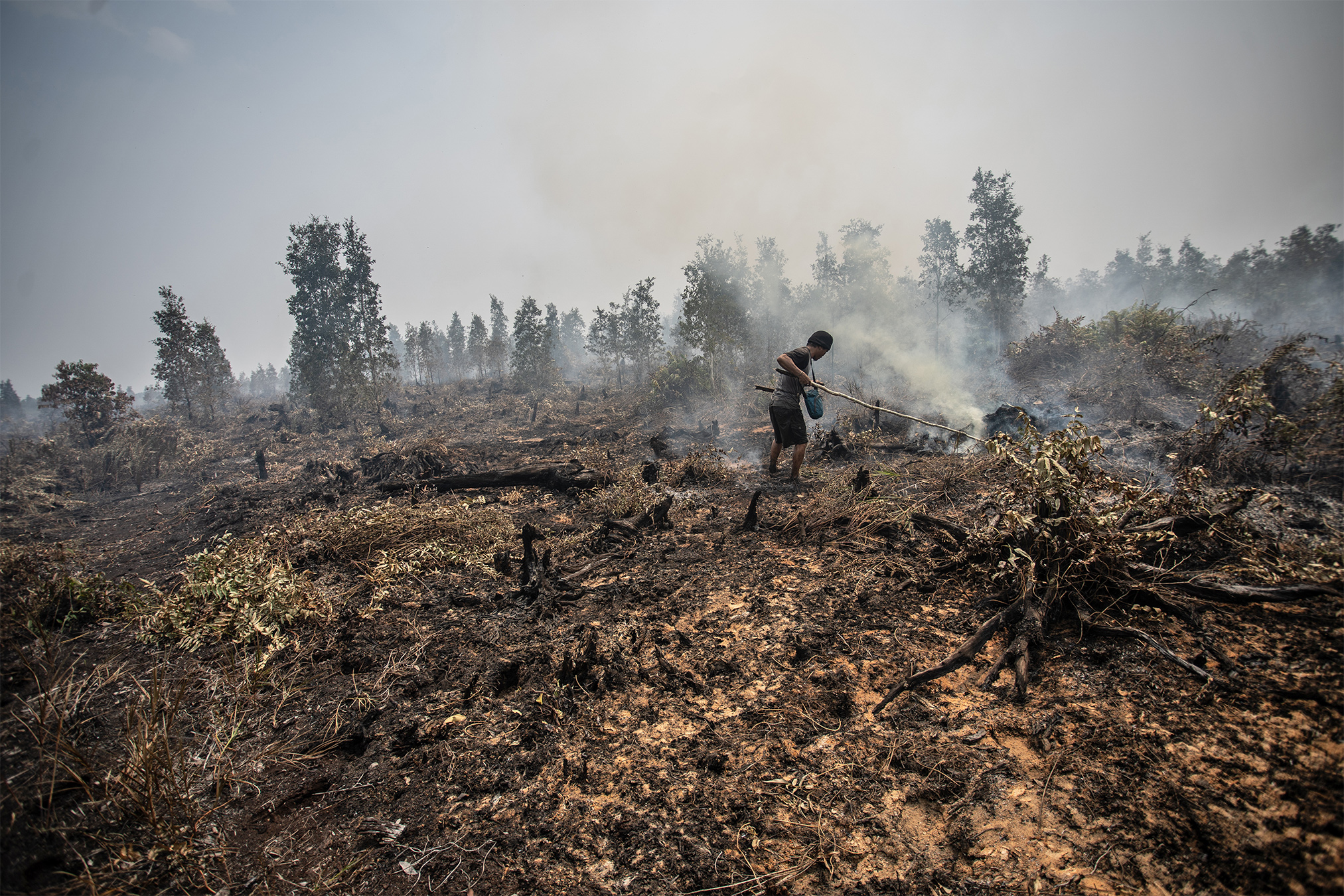
A strong El Niño is building, with forecasts suggesting it will be the strongest on record. This development shifts focus to Asia’s structural vulnerabilities, prompting the United Nations Development Programme to assert that the region cannot afford to delay action. This echoes events from 2006, when local communities and NGOs like Friends of Nature, People and Forests (FNPF) fought fires in Tanjung Puting National Park, Central Kalimantan, using basic tools. Basuki Santoso, FNPF’s Kalimantan program manager, alongside teenagers Adut and Isam, were part of that effort.
While the 2006 firefighting in the forest with brooms and backpack pumps highlighted community action, the current scale of the predicted El Niño demands a coordinated governmental and regional strategy. AP News warns of worsening drought across Asia, which could raise global food prices. Such conditions often lead to widespread agricultural disruption and food insecurity, directly impacting economic stability.
Preparations for a 'supersized' El Niño are underway in parts of Asia, as The Guardian suggests. However, the depth of this preparation varies significantly. Reuters reports that a Malaysian regulator will request El Niño plans from publicly-traded firms. This move signals a shift towards corporate accountability in preparedness, extending the burden of response beyond government agencies to the private sector.
The core structural challenge lies in transitioning from reactive, localized interventions to proactive, systemic resilience. The Washington Post's observation that El Niño will soon become the strongest on record underscores this urgency. A fundamental question emerges: are current national and regional frameworks robust enough to mitigate widespread drought, agricultural losses, and potential social unrest? Past reliance on immediate, local firefighting, while crucial at the time, did not resolve the underlying structural issues that enable such crises.
The diverse governance structures and economic priorities across the Asia-Pacific mean a uniform response is improbable. Some nations may mandate corporate preparedness, while others might lack the capacity or political will for similar measures. The immediate focus remains on preventing short-term humanitarian crises. However, the long-term implications for regional trade, migration, and resource allocation demand a more integrated, anticipatory approach than historically evident.
Thailand, like other agricultural economies in the region, faces direct consequences from prolonged drought. This risks disrupting its agricultural exports and domestic food supply, potentially leading to inflationary pressures. For Bangkok, the challenge involves demonstrating that policy responses are not merely reactive. They must be part of a broader, structural adjustment to recurrent climate phenomena, requiring a clear shift in decision-making towards long-term resource management and climate adaptation strategies. The outcome now depends on whether rhetoric translates into tangible, region-wide policy and investment before the full impacts materialize.
Sources
Newsletter
Pacific Daily
A curated briefing from Thailand, Asia-Pacific and the world.