Black Market Ant Trade Signals Broader Pressures on East African Resources
The increasing value of Kenyan queen ants, driven by demand in Asia and Europe, highlights an illicit trade network that preys on vulnerable ecosystems and offers lessons in resource exploitation.
SINGAPORE
The illicit trade of African queen ants from Kenya, valued at USD 220 each, suggests a specific niche within the global wildlife black market. This trade, reportedly driven by a rise in ant-colony-building enthusiasts in Vietnam, China, and Europe, resulted in traffickers repeatedly risking arrest, according to China Dialogue Ocean on October 9, 2026. This activity indicates that specific natural resources in East Africa are being targeted to supply consumer markets elsewhere, including Asia-Pacific.
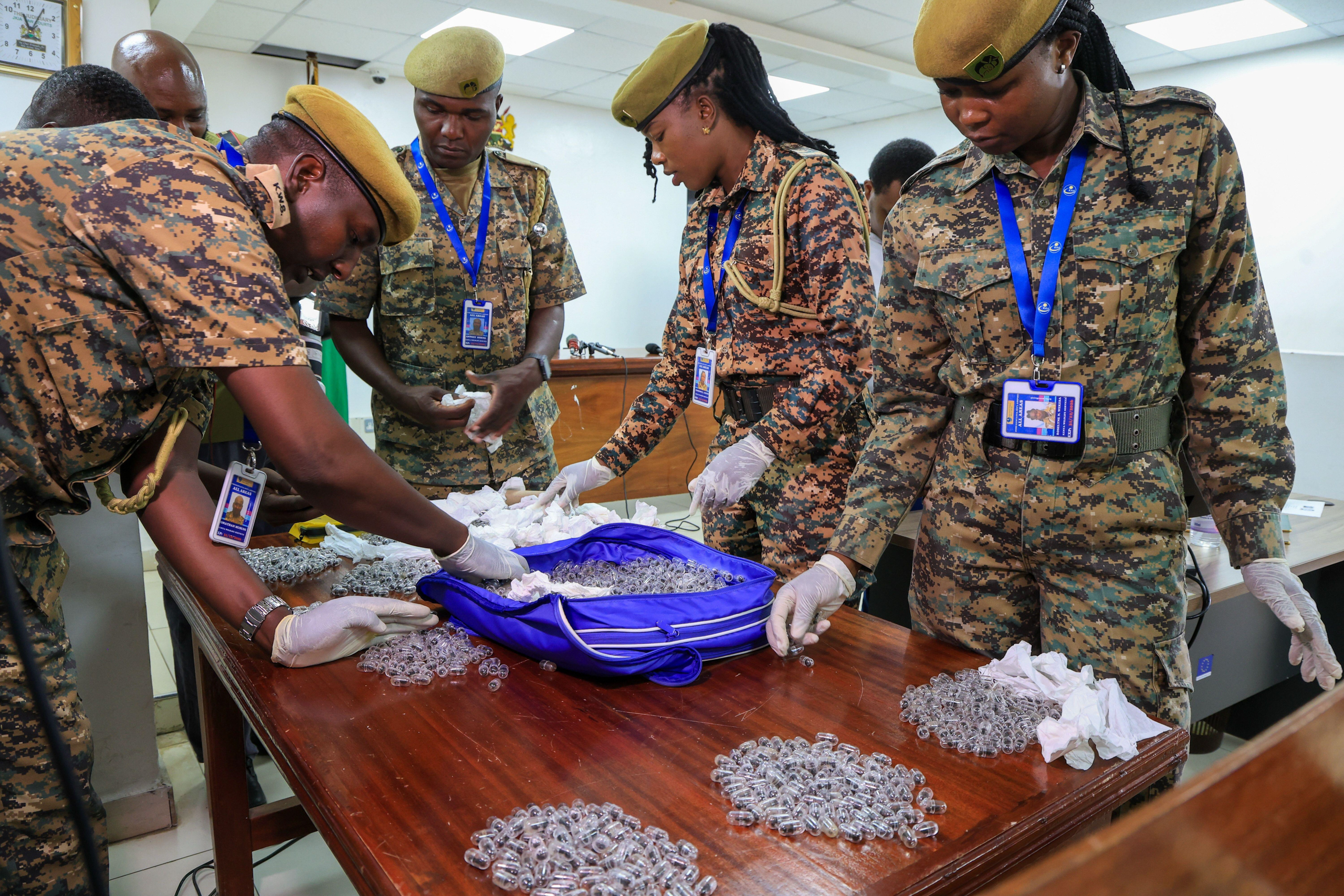
The seizure of 2,000 live queen ants in one instance, valued at USD 7,700, demonstrates the scale of these operations, also pointing to the commercial incentives that fuel them. Willis Okumu is quoted describing the demand for these ants, underlining the economic pull factors for an illegal trade that draws directly from Kenya’s natural environment. Such activities, where specific species are extracted for distant markets, mirror larger patterns of resource exploitation observed across various sectors. The 2020 reporting by The New York Times on plastic waste in Africa, and the 2026 BBC report on charcoal smuggling from Malawi, suggest a broader vulnerability of the region's resources to external demand and illicit networks.
With countries like Vietnam and China involved in the demand for pet ants, this issue holds clear relevance for the Asia-Pacific region. This is not an isolated incident. Instead, it indicates how niche consumer trends can create pressure on ecosystems far removed from the end-user. The demand for these ants, often overlooked compared to larger, more charismatic wildlife, reveals a granular aspect of the black market. Interpol-led operations, such as the 2025 global wildlife sting that made record seizures, underscore the ongoing struggle against these networks. The challenge lies in addressing the underlying demand in consumer countries, as well as strengthening enforcement in source nations like Kenya.
For businesses and societies in the Asia-Pacific, the ant trade serves as a minor but clear illustration of global economic interconnectedness. Consumer preferences can drive illicit supply chains that bypass regulations and conservation efforts. The high unit value for a single queen ant, USD 220, suggests that even seemingly small biological resources can become commodities within an unregulated market. The financial incentives for traffickers, indicated by repeated risks of arrest, appear to outweigh the deterrents in place. This dynamic complicates conservation efforts and resource management in East Africa.
While the immediate impact on Thailand’s direct economy may seem negligible, the principles of resource exploitation and the functioning of black markets have broader implications. The trade in pet ants represents a minor vector for ecological pressure. However, it shares characteristics with larger, more impactful illicit trades: specific demand driving supply from vulnerable regions, high-value individual items, and the involvement of international networks. The ability to disrupt such a specific trade hinges on understanding both the precise market dynamics and the enforcement challenges in both source and destination countries. The continued vulnerability of East African resources to demand from markets like those in Asia-Pacific remains a persistent, unresolved constraint.
Sources
Newsletter
Pacific Daily
A curated briefing from Thailand, Asia-Pacific and the world.