Boating industry lobbies NSW government: A regional play with global parallels
An Australian industry group’s push for government support raises questions about cost absorption and the broader implications for Asia-Pacific maritime sectors.
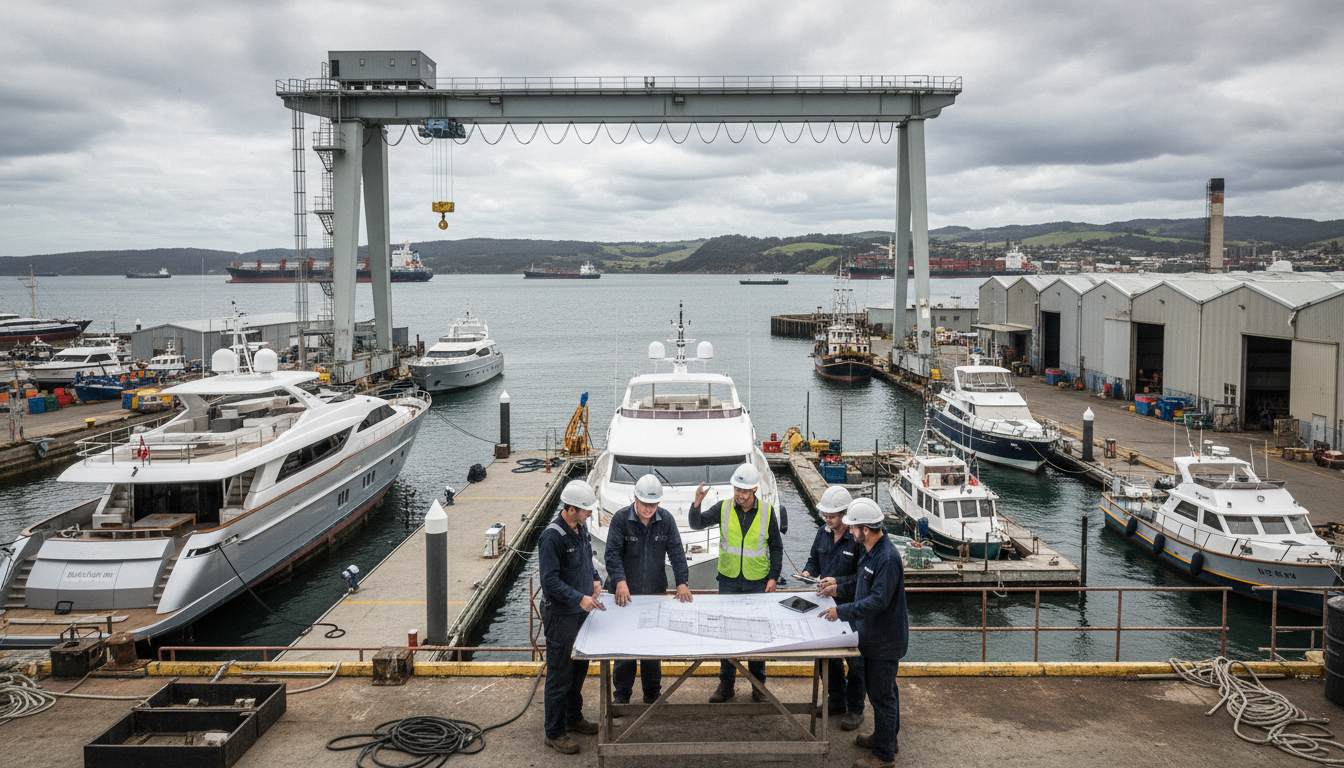
The Boating Industry Association (BIA) hosted its inaugural Boating Industry Drop-In Day at NSW Parliament House on September 25, 2026. This event brought together 16 Members of Parliament, including Ministers, to discuss opportunities to enhance boating across New South Wales. Such direct engagement, as Bloomberg Government described in 2024, constitutes a strategy for shaping policy outcomes.
The BIA’s initiative signals an attempt to influence state-level decision-making. Historically, groups seeking to benefit from specific policy shifts often engage in direct lobbying. Reuters noted in 2026 that concerted efforts are made to discourage or encourage engagement, depending on the desired outcome. The BIA’s approach here appears to encourage engagement towards its objectives.
For the boating industry, 'enhancement' likely implies favorable regulations, infrastructure investments, or reduced operational costs. The central question then becomes: who pays for these enhancements, and who ultimately benefits? While industry associations advocate for their members, the economic impact often extends beyond their direct stakeholders. Increased boating activity could drive demand for marinas, maintenance services, and related tourism, potentially creating employment and generating revenue for local economies.
However, expanding boating infrastructure or easing regulations also carries potential costs. Environmental considerations, increased congestion on waterways, and the need for upgraded public safety measures are factors that could emerge. These costs are typically borne by the public purse or through indirect levies, which often fall on taxpayers or other public sectors. The specific ‘opportunities’ discussed with the NSW government remain broadly defined, which makes a comprehensive assessment of the full financial implications challenging.
“The BIA's engagement is a clear signal of intent, but the economic ledger of who pays for 'enhancement' remains largely unitemised.”
The engagement with state government, particularly Ministers, indicates an effort to secure high-level political backing. The presence of numerous Members of Parliament suggests the BIA gained significant attention for its agenda. However, the outcomes of such discussions are not immediately apparent. The BBC reported in 2016 on historical instances of ‘secret engagement’ between parties, highlighting that public narratives often present a curated version of political interactions.
Regional Context
The broader Asia-Pacific region, including Thailand, presents a varied landscape for the marine industry. While Australia's developed economy can support a robust recreational boating sector, developing economies face different pressures. For Thailand, the focus has historically been on commercial fishing and tourism, with recreational boating a growing but still navigating regulatory complexities and infrastructure limitations. For example, a 2024 ABC report stated that 75% of fishing boats globally are untracked, raising concerns about ‘dark vessels,’ an issue with distinct implications for regional maritime governance and revenue collection. The East Anglian women building boats in a male-dominated world, as detailed by the BBC in 2026, illustrate the industry’s diverse dynamics, which encompass more than just large-scale political lobbying; they include labor and social aspects.
The BIA’s move in NSW is an attempt to signal the economic importance of the boating sector to policymakers. The success of this strategy will depend on the BIA’s ability to articulate specific proposals that align with government priorities, while also managing public perception of cost and benefit. Without detailed financial commitments or specific policy changes emerging from this engagement, the actual impact on the boating industry and the public remains uncertain. The fundamental tension between industry growth and the costs it imposes remains for the NSW government to weigh.
Sources
Newsletter
Pacific Daily
A curated briefing from Thailand, Asia-Pacific and the world.