Beyond the Podium: Shifting Ambitions in Asia-Pacific Sports
Agatha Wong's move to medical studies highlights a regional recalibration of priorities among accomplished youth, suggesting a diversification of career paths beyond singular athletic pursuits.
SINGAPORE
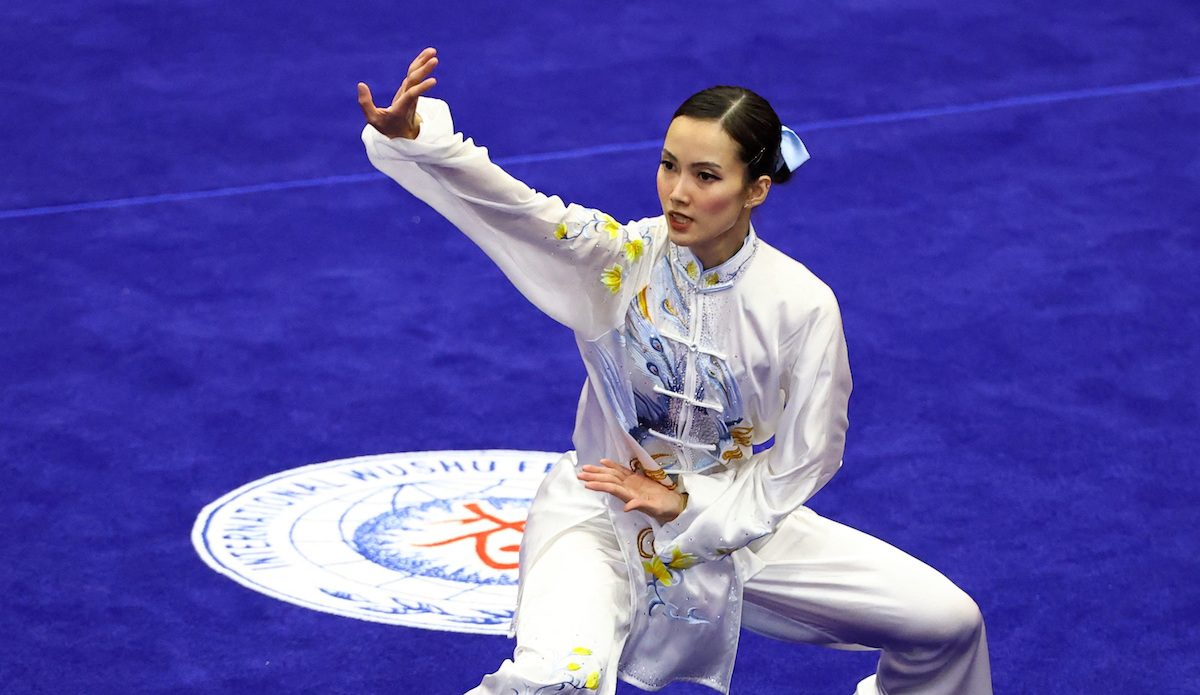
The reported redirection of Agatha Wong’s focus from wushu competition to medical school represents a deviation from the singular professional trajectory often expected of elite athletes in the Asia-Pacific. Wong, a 28-year-old Filipina wushu athlete, concluded her participation in the Asian Games on September 20 at the Aichi Prefectural Martial Arts Hall in Nagoya, Japan. She finished 10th overall in the women’s taijiquan and taijijian event, having placed seventh in the taijiquan portion with 9.703 points. Her announced transition to medicine, a demanding and extensive field, suggests a deliberate re-prioritization that holds broader implications for regional patterns of youth aspiration.
Historically, various Asian societies have often emphasized a focused dedication to specific fields, whether academic, artistic, or athletic, as a primary path to national distinction and individual achievement. This pattern is evident in the careers of many regional figures, where early specialization and sustained effort in one domain often defined public perception and individual career progression. Wong’s decision to transition, following her final Asian Games appearance, signals a potential shift in this established model. Her competitive achievement, indicated by her seventh-place finish in one portion of the event, represents a level of success that might previously have led to an uninterrupted athletic career.
This evolving pattern, while centered on an individual, reflects a changing landscape for young talent across the Asia-Pacific. In nations such as Thailand, a re-evaluation of career pathways is underway, influenced by economic shifts and evolving educational priorities. Where once a national athlete might have been expected to exclusively maximize their sporting career, contemporary pressures and expanded opportunities appear to encourage diversification of skills and concurrent professional development. The pursuit of multiple significant paths, even alongside athletic or artistic endeavors, indicates a rising emphasis on long-term professional adaptability over narrow, high-intensity specialization. This re-evaluation extends beyond sports, influencing fields from entrepreneurship to academia, where multi-disciplinary competence is gaining recognition.
One perspective suggests that a transition from a high-profile athletic career could be interpreted as a strategic adjustment when continued pursuit within the sport's most competitive tiers becomes less viable. For Wong, her 10th-place finish at the Asian Games, while competitive, did not result in a medal. This interpretation posits that athletes might seek alternative paths, including educational or professional pursuits, as a pragmatic response to sporting outcomes. However, this argument may overlook the agency and strategic planning often involved in such career decisions. The choice to pursue medicine implies a conscious decision about future contributions rather than a fallback option driven solely by competitive results.
The implications for regional strategic planning are substantial. Governments and sports federations in the Asia-Pacific, often structured to cultivate singular talents, may need to adapt their support frameworks to accommodate more varied career trajectories. The development of integrated career pathways, which combine academic or professional training with high-performance sports, could become increasingly important. Without such adaptations, regions risk the potential loss of valuable talent that seeks a more comprehensive and sustainable professional future. The tension between fostering intense specialization for global competition and nurturing versatile individuals for a dynamic workforce remains an unresolved challenge, but cases like Wong’s illuminate the emerging preference for broader professional development.
Sources
Newsletter
Pacific Daily
A curated briefing from Thailand, Asia-Pacific and the world.