Beyond Decluttering: The Enduring Cost of Community Intervention
Charities highlight long-term support as key to preventing a return to hoarding, but the financial and logistical burden is substantial.
SINGAPORE
Charities in the Asia-Pacific region are underscoring the critical role of sustained community support in addressing hoarding, arguing that patience, building trust, and gradual decluttering are essential to prevent reaccumulation. While the emphasis on a long-term approach from experts is understandable given the complexity of the issue, this perspective also points to a significant, often unquantified, cost.
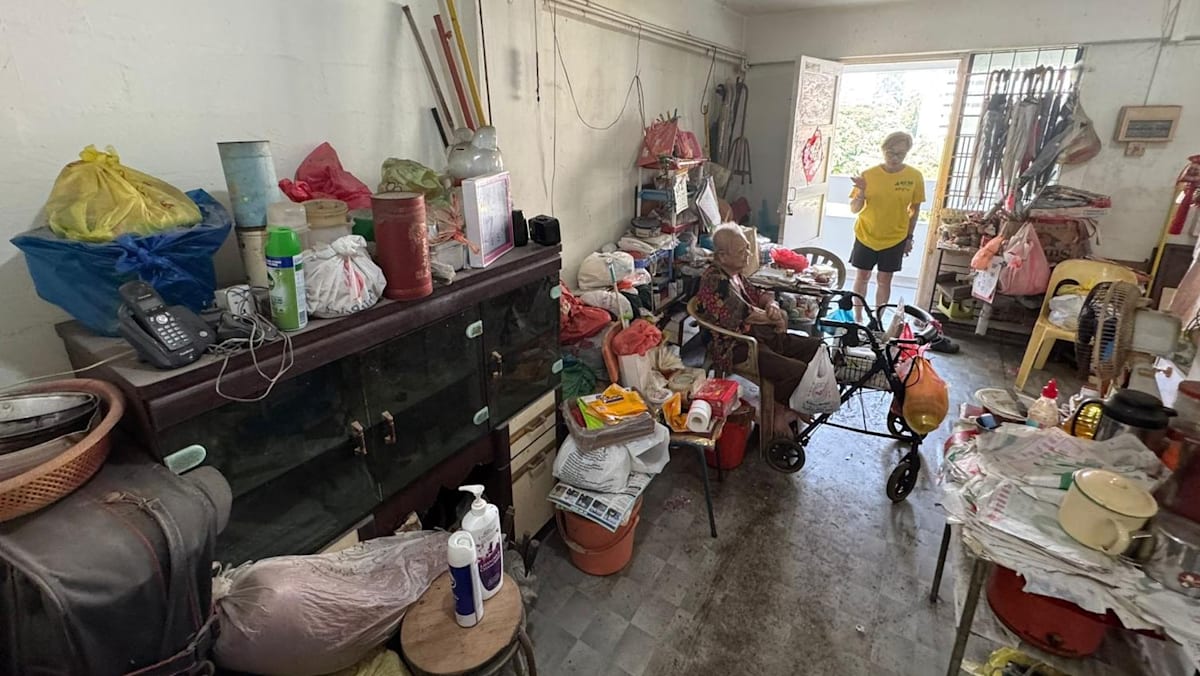
The reported approach suggests that clearing a severely cluttered home, such as Mdm Lee Poh Chen's, is merely the initial phase. The challenge extends to preventing a return to the previous state, which necessitates ongoing intervention. This implies an allocation of resources — human, financial, and logistical — that goes far beyond immediate crisis management. The "long-term community support" advocated by charities becomes, in effect, a recurring expenditure.
The economic implications for organizations providing these services are substantial. Unlike a one-off clean-up, the commitment to 'patience, building trust and gradual decluttering' translates into sustained staffing, regular follow-ups, and the potential need for specialized psychological support. For charities operating on constrained budgets, this long-term engagement model strains resources, potentially diverting funds and personnel from other social services. The focus on prevention, while sound, carries a high price tag.
Indeed, the expertise cited by CNA Lifestyle on September 17, 2026, from Natalie Ong and Olivia Chang, suggests that such interventions are not quick fixes. The case of Mdm Lee Poh Chen, whose home previously had a bed bug problem alongside clutter, illustrates the compounding health and sanitation issues that often accompany severe hoarding. Addressing these immediate concerns, only to re-engage repeatedly over time, creates an operational treadmill for support organizations. The cost-benefit analysis of such prolonged engagement, while difficult to formalize, inevitably falls to these non-profits.
From a market realist perspective, the charitable sector effectively subsidizes a public health challenge that demands a more structured, possibly state-funded, solution. The burden of preventing reaccumulation, a crucial aspect according to experts, is largely absorbed by organizations reliant on donations and volunteer labor. This dynamic raises questions about the sustainability of current approaches and who ultimately bears the financial weight of maintaining these long-term support systems. The outcome of such community support efforts, therefore, depends on the sustained commitment of funders and volunteers to a problem that offers no quick resolution.
Sources
Newsletter
Pacific Daily
A curated briefing from Thailand, Asia-Pacific and the world.