The Silent Vulnerability: Human Resources Systems as Cyber Attack Vectors
A recent incident at Singapore’s MUIS highlights a critical operational vulnerability often overlooked in public-facing service assessments.
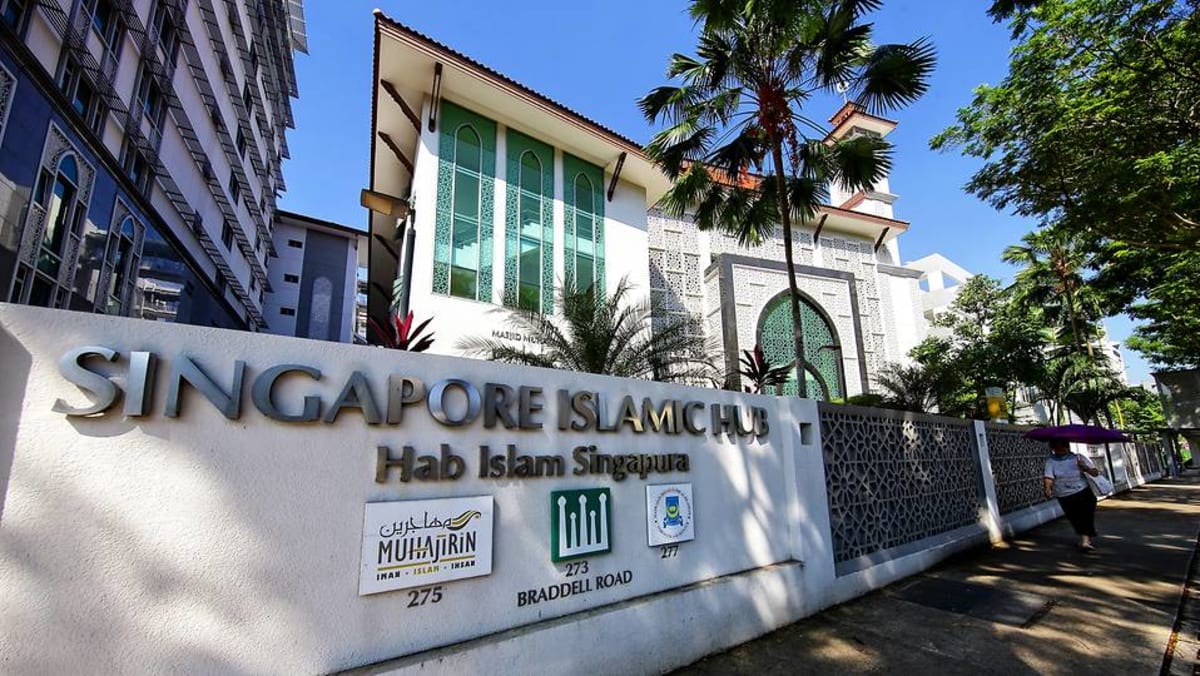
SINGAPORE
The Islamic Religious Council of Singapore (MUIS) recently reported a cybersecurity incident affecting its human resource management system. While MUIS stated that the incident does not affect the delivery of public-facing or government services, this distinction between operational and public-facing systems deserves closer scrutiny.
Operational integrity hinges on the resilience of all systems, not just those directly interfacing with the public. The Straits Times further clarified the nature of this attack, reporting that the payroll system of mosques and madrasahs was hit by ransomware, potentially compromising staff details. This indicates an attack vector targeting internal data rather than service delivery, yet the implications for service continuity remain significant, even if indirect.
Consider the direct consequences of compromised payroll systems. Staff details, including financial information, become vulnerable. Such breaches can lead to identity theft, financial fraud, and a breakdown of trust between an organization and its employees. For any institution, including a religious council managing extensive community resources, maintaining staff morale and financial security is a foundational operational requirement.
Beyond immediate data risks, a ransomware attack on an HR system can disrupt core functions like salary disbursement, benefits administration, and attendance tracking. While the public may continue to access services, the internal machinery enabling those services could experience severe, prolonged friction. A sudden inability to process payroll, for instance, creates an immediate internal crisis that inevitably diverts resources and attention away from primary service objectives. This is particularly acute for organizations like MUIS, which oversee significant community infrastructure, including mosques and madrasahs, whose staff rely on these systems.
The stated assurance that public-facing services remain unaffected might be technically accurate in the short term. However, the operational strain caused by restoring compromised HR systems and managing potential data breaches can ripple through an organization, impacting staff productivity and, eventually, service quality. Imagine the administrative burden of recovering sensitive payroll data for numerous employees across multiple institutions. This involves forensic analysis, data restoration, enhanced security measures, and communicating with affected staff—all resource-intensive tasks.
Historically, similar incidents show the broader impact. In May 2026, ABC News & Headlines reported a major data breach compromising student details. While different in scope, both cases underscore the vulnerability of systems housing sensitive personal information. These are not merely data losses; they are operational disruptions that demand significant allocation of resources and expertise to mitigate.
The strongest counterargument to this perspective might be that the systems are indeed separate, and the impact remains contained. If public services are not disrupted, the core mission continues. However, this argument tends to underestimate the interconnectedness within modern organizations. A critical part of any operation is its human capital. Undermining the systems that support human resources introduces fragility into the entire structure. The ability to maintain service delivery relies on the continued, unhindered functioning of all supporting departments. When the very system that ensures staff welfare and payment is under attack, it creates a point of failure for the entire enterprise.
What then does this mean for similar organizations in Thailand and across the Asia-Pacific? The MUIS incident serves as a critical case study: organizations must recognize that human resources management systems are not peripheral; they are central to operational stability. Their compromise, even without immediate public service interruption, creates a cascade of internal problems that demand resources and attention. The outcome now depends on MUIS’s internal recovery mechanisms and its capacity to restore full operational integrity without long-term staff demoralization or data compromise.
Sources
Newsletter
Pacific Daily
A curated briefing from Thailand, Asia-Pacific and the world.