Leadership Operations: The Cost of Sustained Performance in Asia
An incident in Singaporean legislative proceedings reveals underlying pressures on regional governance structures.
SINGAPORE
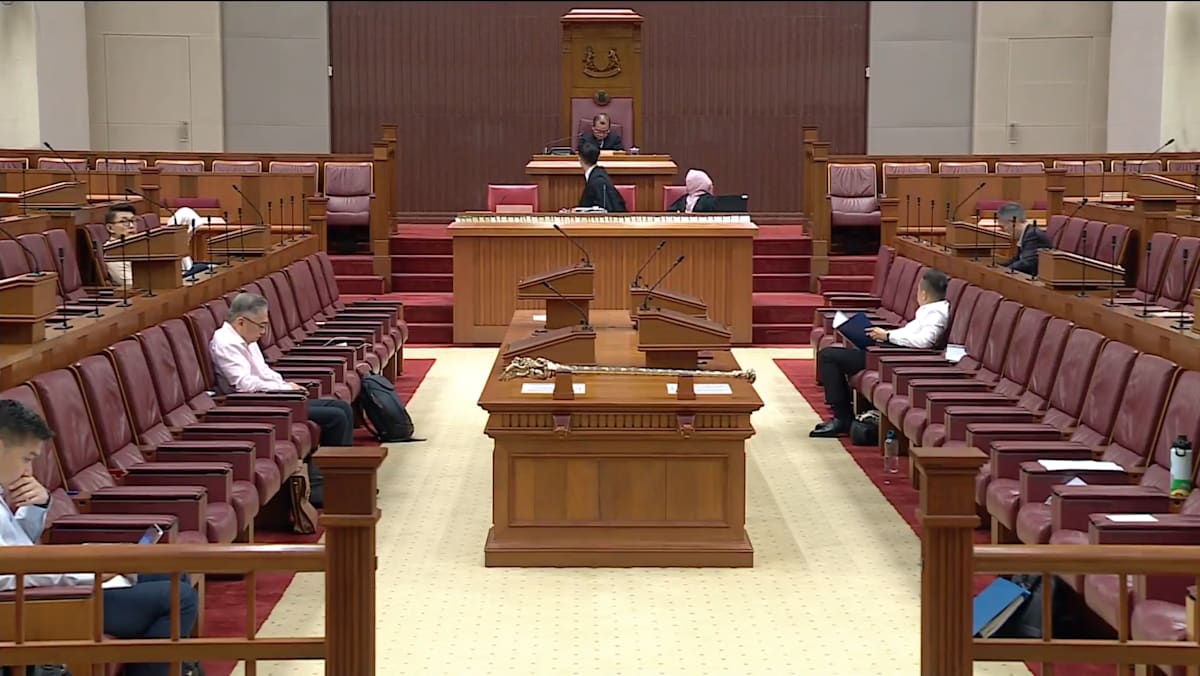
Speaker of Parliament Seah Kian Peng’s recent apology for falling asleep during a legislative sitting in Singapore, attributed by Mr. Seah to feeling unwell and having taken medication, reveals more than a personal health issue. While Mr. Seah stated his condition did not excuse the event of September 9, 2026, the incident surfaces questions about the operational demands placed on key figures within the region’s political systems.
In environments requiring high output, the capacity for sustained attention and disciplined decision-making forms the core of an institution's functionality. Legislative sessions, as mechanisms for review and public accountability, rely on the active engagement of all participants. When a central figure, like a Speaker, exhibits fatigue to this extent, it can indicate a system pushing its human components near their breaking point. This is not isolated to legislative bodies; operational strain across Asia's leadership roles—from corporate boardrooms to government ministries—often remains unaddressed until a visible symptom emerges.
The immediate explanation provided, concerning personal health and medication, serves to contextualize the event. However, it does not fully account for the systemic conditions that might exacerbate such individual vulnerabilities. The expectation for continuous performance, often across demanding schedules, places significant pressure on individuals in public office. The New Zealand Prime Minister Luxon's visit to Singapore in May 2026 for an Annual Leaders' Meeting, for instance, implies a calendar of engagements that are both geographically demanding and cognitively intensive for all involved. Similar pressures have been observed when US House Speaker Pelosi visited Asia in July 2022, underscoring the relentless pace of regional and international diplomacy.
Yet, this perspective might overlook the robust support systems often in place for high-ranking officials, including extensive staff, logistical coordination, and medical oversight. These resources are designed to mitigate the effects of demanding schedules, suggesting that individual incidents may indeed be just that—isolated occurrences stemming from specific, temporary health challenges rather than endemic operational failures. Speaker Seah's prompt apology and public explanation indicate an efficient handling of a minor disruption, preventing it from escalating into a larger systemic concern.
Nonetheless, the incident serves as a functional stress test. It probes the resilience of the operational framework surrounding leadership roles. The ability of the legislative process in Singapore to continue, despite the Speaker’s momentary lapse, demonstrates a degree of institutional robustness. However, sustained periods where critical personnel are operating at compromised levels risk introducing errors into legislative processes or delaying crucial decisions. The real test of an operation's resilience is not whether it can absorb one incident, but how it identifies and addresses the underlying stressors that could precipitate future, potentially more disruptive, events. The outcome now depends on whether this visible symptom prompts a review of the less visible operational loads.
Sources
Newsletter
Pacific Daily
A curated briefing from Thailand, Asia-Pacific and the world.