Singapore's export surge challenges operational capacity
While AI-driven demand props up NODX, physical infrastructure and workforce stability face pressure points.
SINGAPORE
Singapore’s non-oil domestic exports (NODX) rose by 46.2 per cent in August, extending a 24.1 per cent rise in July. This growth, partly attributed by Enterprise Singapore to a low base in 2025 when monthly NODX reached its lowest point at S$13.3 billion, saw electronic NODX surge by 131.8 per cent in August, up from 112 per cent in July. This increase was driven by integrated circuits (ICs), disk media products, and personal computers (PCs), with Reuters attributing the overall export surge to robust AI-related demand.
The immediate implication is that Singapore's export engine is operating at an elevated pace, specifically within the electronics sector crucial for AI infrastructure. The declared investment of over $445 million by Databricks, with plans to double its workforce to more than 500 over the next three years, indicates a projected continuation of this demand. However, maintaining this pace requires a sustained operational capacity that may present constraints. The significant increase in electronic NODX points to an intensification of activity within specific manufacturing and logistics segments. The reliance on ICs, disk media, and PCs suggests pressure on component supply chains, fabrication facilities, and the skilled labor necessary for assembly and testing.
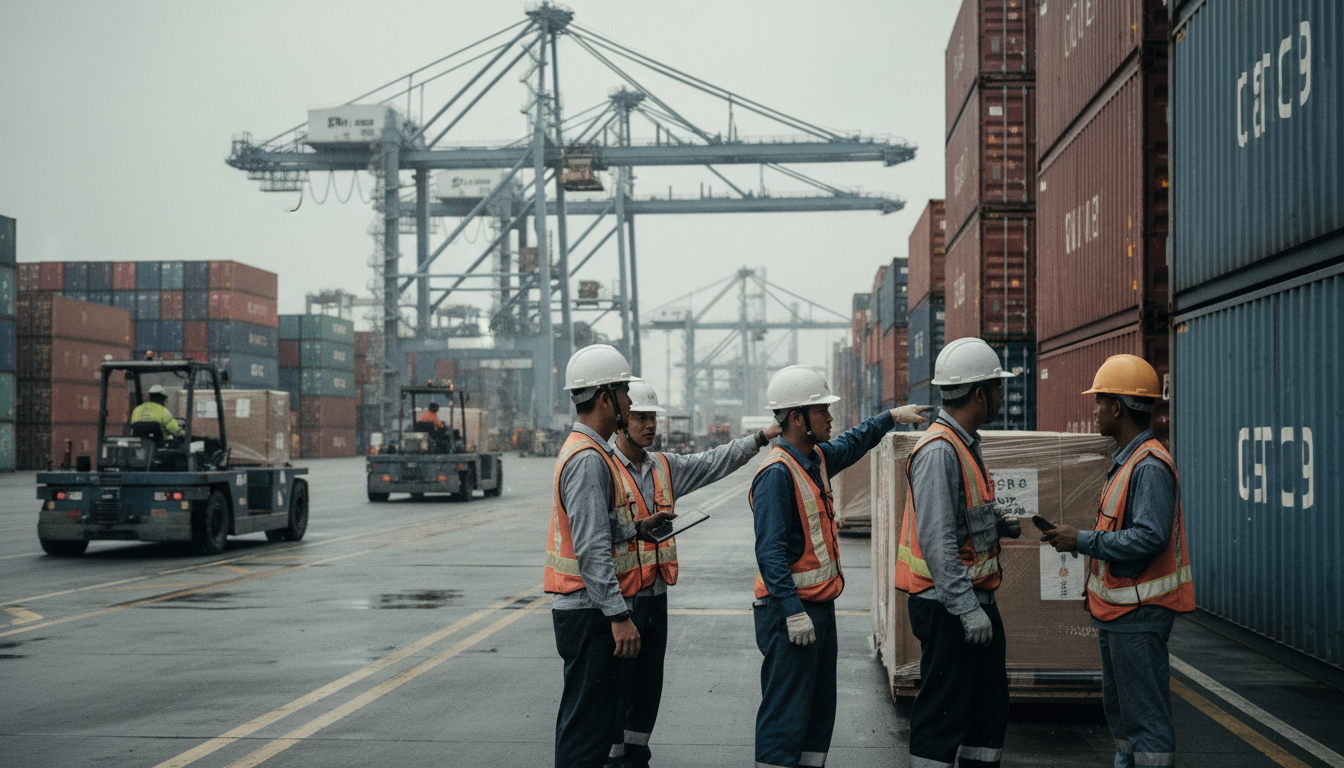
While the headline figures indicate economic expansion, the operational question concerns the physical limits of handling this volume. A view of PSA's Tanjong Pagar container terminal in Singapore from January 2016 shows a critical piece of infrastructure for such exports. Sustained 46.2 per cent annual growth rates in overall NODX, and 131.8 per cent in electronics, could test the throughput capabilities of such facilities. These operations involve precise scheduling, efficient material handling, and sufficient storage. Any point where processing capacity falls behind inbound or outbound flow — be it at a fabrication plant or a port — can create bottlenecks, leading to delays and increased operational costs.
The current data does not specify the capacity utilization of Singapore’s logistics infrastructure or the availability of specialized labor required for advanced electronics manufacturing. This surge in demand, particularly from the AI sector, requires not just raw material flow but also specialized technicians and engineers. The Databricks announcement, while positive for employment, also highlights the ongoing demand for talent, which, if not met, could become a limiting factor for operational expansion. The market for skilled professionals, particularly in high-tech sectors, is finite, and rapid scaling can strain existing pools.
For the broader Asia-Pacific region, Singapore’s export performance serves as a bellwether for AI-driven industrial activity. Thailand, for instance, which participates in global electronics supply chains, could see indirect impacts through increased demand for components or sub-assemblies. However, without direct investment or infrastructure upgrades to support a similar surge in volume, the primary beneficiaries remain those with established high-tech manufacturing and logistics ecosystems. The risk for other regional players is that while they may experience some trickle-down demand, they could also face increased competition for raw materials and skilled labor from more established hubs like Singapore.
Ultimately, the sustainability of Singapore’s export growth at these levels depends on its ability to scale its physical and human infrastructure in lockstep with demand. The current trajectory suggests significant operational challenges if these elements are not proactively addressed. The outcome now depends on the rate at which infrastructure investments, like those indicated by Databricks, translate into enhanced throughput and talent development across the entire export value chain. If these foundational elements are not sufficiently robust, the impressive growth figures could expose vulnerabilities in the operational machinery rather than signal unconstrained expansion.
Sources
Newsletter
Pacific Daily
A curated briefing from Thailand, Asia-Pacific and the world.