Aznar IPO Signals a Wider Shift in Asia's Family Business Succession
While Philippines-based Aznar Shipping seeks public capital, its motivations reflect a regional tension between dynastic control and operational sustainability.
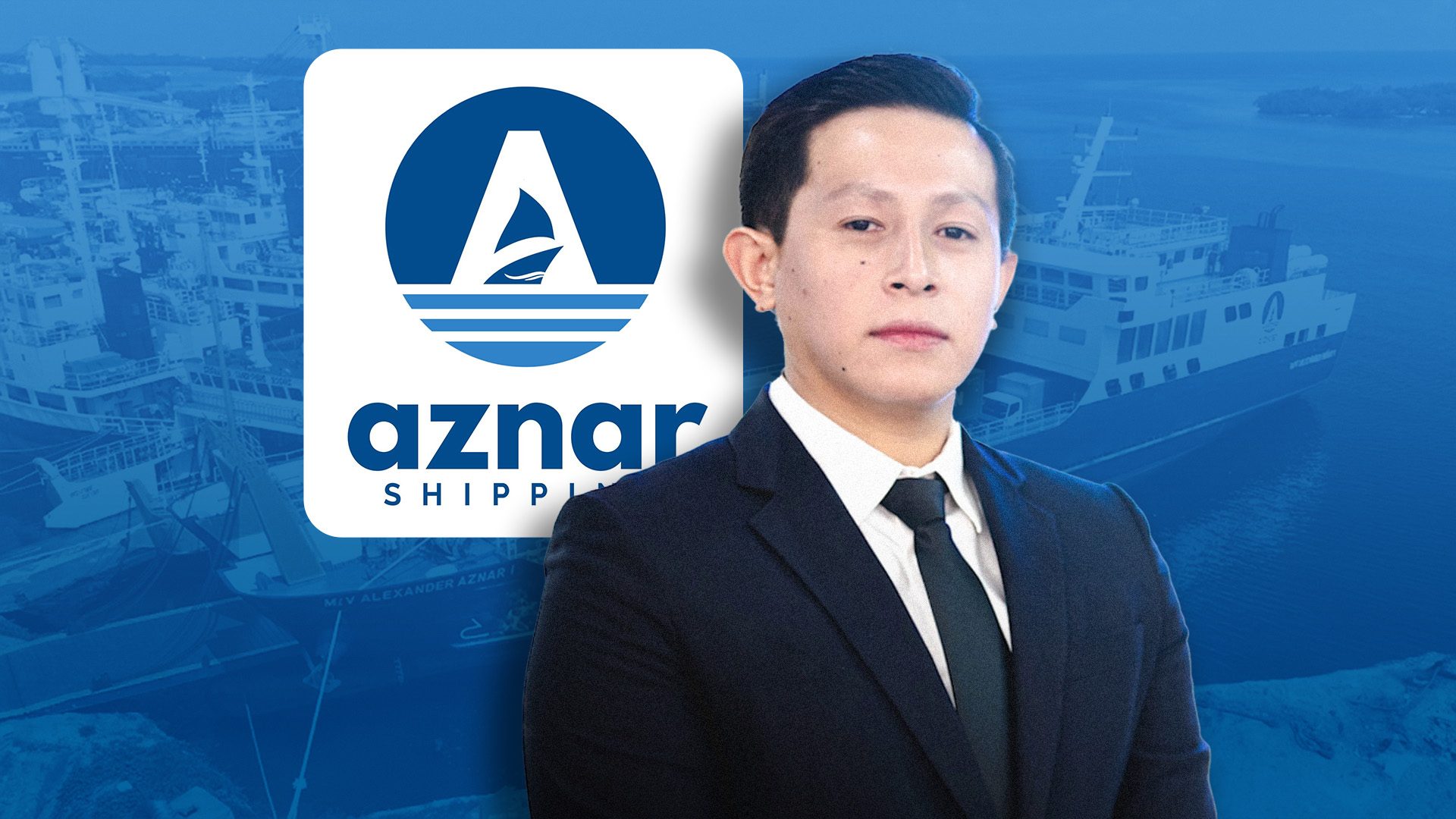
SINGAPORE
The reported move by Aznar Shipping to launch an Initial Public Offering (IPO) to raise up to P737 million for fleet expansion marks a decision rooted in more than capital acquisition. Kyle Alexander Aznar, the third-generation CEO, has articulated a specific objective: to hand the company over to the next generation, with the IPO process serving as a mechanism to instill what he describes as professional governance and mentorship. This perspective illuminates a recurring tension in family-owned enterprises across Asia-Pacific economies.
Historically, the transition of family businesses, particularly those with significant regional infrastructure like shipping, has often been a private affair, dictated by internal dynamics and succession planning. The Aznar Shipping IPO, and Aznar’s explicit intention to address the 'generational curse' frequently associated with such transitions, suggests a deliberate pivot. It acknowledges that private ownership, while offering continuity of control, can also limit access to capital and external expertise required for growth in competitive markets. Public listing introduces external oversight and shareholder expectations, potentially imposing a discipline that private structures might bypass. This shift is not merely about funding a fleet expansion; it is about embedding structural changes intended to ensure longevity beyond the influence of a single family's operational style.
For a region like the Asia-Pacific, where family conglomerates have long dominated various sectors, Aznar Shipping's rationale points to a broader, if incremental, evolution. Thailand, for instance, has its own history of family-controlled businesses. While many have successfully adapted, the pressure to professionalize and secure capital for expansion, especially in capital-intensive sectors like shipping, is universal. The IPO route provides one answer to how these businesses can grow without diluting family ownership completely, or at least how they can secure necessary capital while introducing external accountability.
However, the challenges inherent in such a transition are considerable. Going public requires transparency that can be unappealing to family enterprises accustomed to a more opaque operational model. It also introduces short-term market pressures that can conflict with long-term generational planning. The Aznar family’s declared intention to use the IPO process to break a 'curse' underscores the difficulty. The 'curse' is not simply about business failure, but about the unique blend of familial and corporate governance that can stifle innovation or lead to stagnation when not managed effectively. The IPO is presented as a solution for Aznar Shipping, but it is a solution that shifts the burden of performance from an internal family dynamic to the public market. Whether external shareholders will prioritize the long-term, multi-generational aspirations over immediate returns remains a central, unresolved tension.
This decision by Aznar Shipping highlights a crucial strategic consideration for established regional businesses: the cost of unmanaged succession versus the cost of relinquishing sole control. The P737 million target for fleet expansion represents a tangible investment, but the intangible investment in governance and external validation may be the more significant long-term wager.
Sources
Newsletter
Pacific Daily
A curated briefing from Thailand, Asia-Pacific and the world.